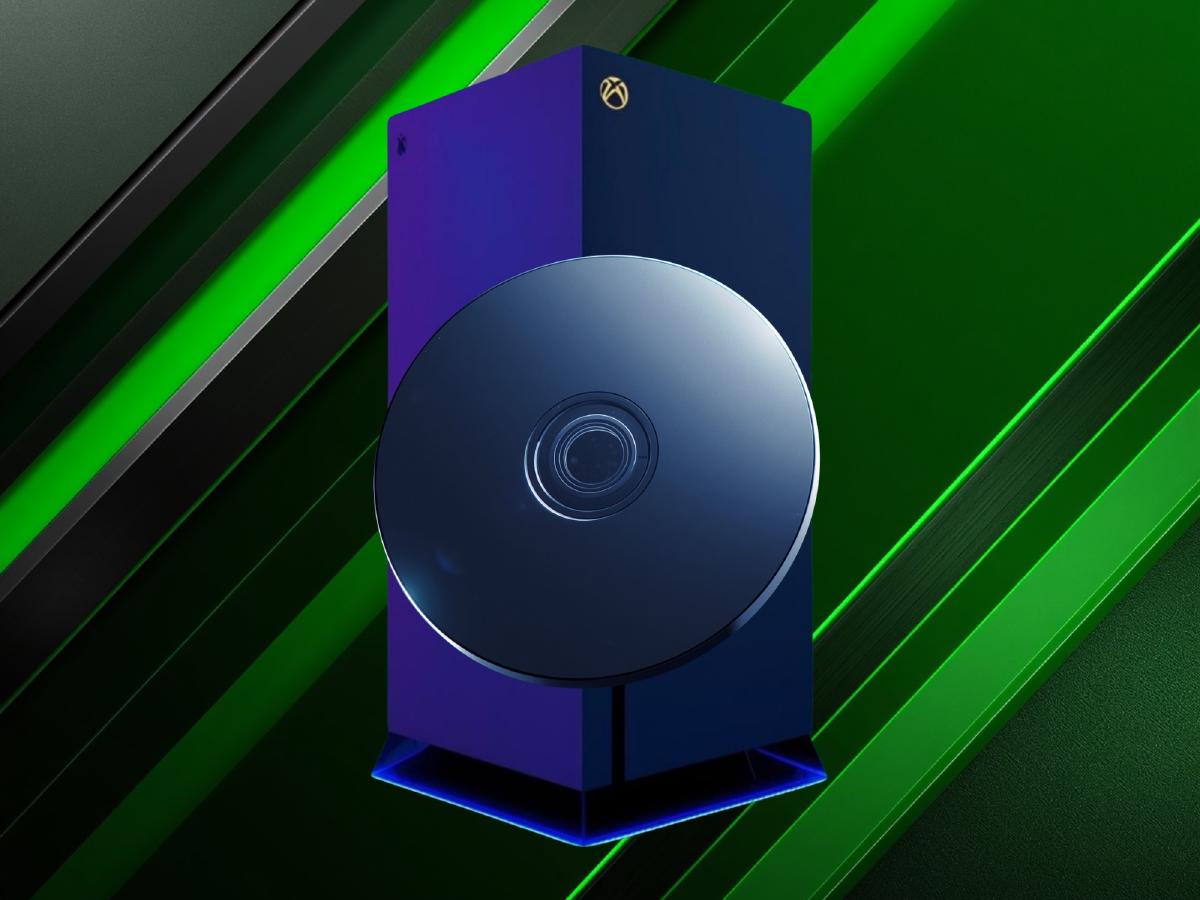
Recent reports suggest that Microsoft is prioritizing the inclusion of disc support in its upcoming console, tentatively referred to as Project Helix. This move is seen as a strategic advantage over Sony’s anticipated PlayStation 6. As first reported by Notebookcheck, Microsoft’s decision underscores its commitment to catering to a diverse gaming audience while acknowledging the evolving landscape of console gaming.
The discussions within Microsoft’s ranks point to a desire for Project Helix to maintain compatibility with physical media. This could address concerns from players who still favor owning physical copies of their games. In contrast, the trend in recent years has leaned heavily towards digital purchases, yet a substantial segment of the gaming population values the option to purchase and sell used games, as well as the ability to keep a physical collection.
Microsoft’s emphasis on disc support may reflect a broader strategy to differentiate itself from the upcoming PlayStation 6. Sony has hinted at a significant shift in its hardware and gaming strategy, potentially moving towards a more digital-centric model. By retaining disc support, Microsoft could appeal to gamers who are hesitant to fully embrace digital downloads, especially given the rising concerns about digital rights management and the longevity of digital storefronts.
Furthermore, the inclusion of disc drives could allow Microsoft to leverage backward compatibility more effectively. Players could potentially access a larger library of games from previous Xbox generations, reinforcing the console’s value proposition. This strategic positioning may not only bolster Project Helix’s appeal but also help solidify Xbox’s reputation as a consumer-friendly brand amid increasing competition.
In recent years, Microsoft has focused heavily on subscription services like Xbox Game Pass, which have proven to be both popular and financially successful. However, the inclusion of physical media could create a hybrid system that caters to both traditional and modern gaming habits. As digital sales continue to grow, the balance of offering physical and digital options may be crucial in attracting a wider audience.
Market analysts are watching closely as these developments unfold, especially as both Microsoft and Sony gear up for the next generation of gaming. With each company pursuing different strategies, the landscape is becoming increasingly competitive. The introduction of Project Helix, alongside the expected PlayStation 6, could shape the future of console gaming significantly.
Microsoft’s approach, prioritizing disc support, may also reflect a response to consumer feedback from the Xbox One launch when the company initially pushed for a digital-only model. That move faced backlash, prompting a swift reversal. With Project Helix, Microsoft appears to be committing to a more inclusive model, potentially addressing the lessons learned from past experiences.
As the gaming industry progresses, the choices made by both Microsoft and Sony will undoubtedly impact future trends in hardware and consumer behavior. With the ink still drying on the Project Helix roadmap, gamers are keen to see how Microsoft plans to balance innovation with the nostalgic elements of physical gaming.
As more details emerge regarding Project Helix and the PlayStation 6, the competitive dynamics between these two major players will only intensify, highlighting the importance of strategic decisions in hardware development.
Project Helix is being developed by Xbox Game Studios, known for delivering popular franchises like Halo and Gears of War, while Sony’s PlayStation division continues to leverage its extensive portfolio of exclusives and beloved series. As both companies prepare for their next chapters, the performance and specifications of their upcoming consoles will be critical in determining their success in the next generation of gaming.
Image credit: Notebookcheck
This article was generated with AI assistance and reviewed for accuracy.