The Xbox Series S, a compact and budget-friendly console released in late 2020, has seen a shift in consumer perception over the past few years. Initially celebrated as an affordable entry point into the current generation of gaming, it is facing increased scrutiny as performance expectations rise. As first reported by GameSpot, this shift in sentiment is leading many to reconsider the value of this $250 console.
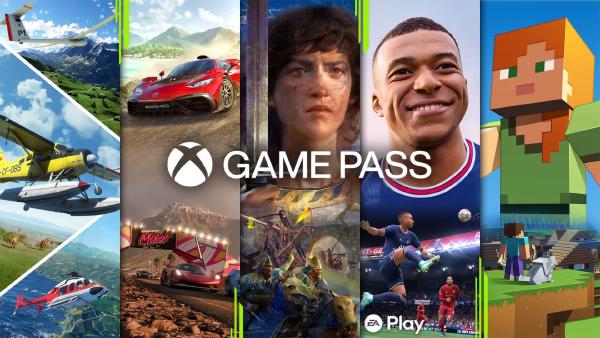
When the Xbox Series S debuted, it was marketed as an ideal choice for those looking to experience next-gen gaming without the hefty price tag associated with more powerful alternatives like the Xbox Series X or PlayStation 5. Its appeal was bolstered by the Xbox Game Pass service, which offered subscribers an extensive library of games for a relatively low monthly fee. For casual gamers, the console represented a fantastic opportunity to explore modern titles and enjoy Microsoft’s first-party offerings upon release.
However, as the gaming landscape continues to evolve, some users have begun to voice concerns about the Series S’s performance capabilities. While many initially accepted the trade-offs,like lower resolution and reduced graphical fidelity,as reasonable compromises, these factors have become increasingly significant as developers push the boundaries of console performance. Multiplayer games, in particular, are beginning to expose the limitations of the Series S compared to its more powerful counterparts.
The situation is further complicated by the latest generation of titles, which are increasingly optimized for high-end hardware. As game developers leverage advanced graphical techniques and larger game worlds, the Series S struggles to keep pace, leading to a less satisfying experience. The resolution often drops below what is standard for modern gaming, and frame rates can suffer during intense action sequences.
Moreover, the rise of 120fps gaming on platforms like the Series X and PS5 has put additional pressure on the Series S to perform. Many gamers are now seeking smooth gameplay with minimal lag and maximized responsiveness. For competitive titles, where every millisecond counts, the limitations of the Series S may push gamers to either upgrade to a higher-spec console or explore alternatives on PC.
This shift in perception has left some potential buyers hesitant. What was once seen as a no-brainer purchase is now surrounded by questions about whether the Series S meets the needs of more discerning gamers. The influx of high-performance offerings from both Microsoft and Sony has only exacerbated this uncertainty.
Despite the concerns, the Xbox Series S still holds value for specific demographics, particularly younger players or those new to gaming who prioritize budget over cutting-edge performance. For casual gaming experiences and family-friendly titles, the console can still deliver a solid experience, especially when paired with the extensive library available via Xbox Game Pass.
As the gaming market continues to mature, it remains crucial for manufacturers to address the evolving needs of consumers. The Xbox Series S, which once stood out as an attractive entry point, may need to adapt or risk losing its relevance in a landscape increasingly dominated by performance-driven expectations.
In summary, while the Series S has lost some of its initial appeal as a value proposition, it can still serve a purpose for casual players. As developers continue to push the limits of gaming technology, the future of budget consoles like the Series S will hinge on their ability to provide satisfactory performance in an increasingly demanding gaming environment.
The Xbox Series S was developed by Microsoft as part of its ninth generation of gaming consoles, designed to cater to both casual gamers and those seeking an affordable option to explore next-gen gaming accessibility.
Image credit: Wikipedia
This article was generated with AI assistance and reviewed for accuracy.