The month of June is traditionally a hectic period for the gaming industry, marked by a series of high-profile showcases. This year was no exception, featuring major events such as the Summer Game Fest, Xbox Games Showcase, PC Gaming Show, Nintendo Direct, and Steam Next Fest. These gatherings unleashed a wave of trailers, gameplay footage, and announcements, captivating players and developers alike.
However, as first reported by GamesPress, the sheer volume of content presented during these showcases raises questions about the future landscape for strategy games. With a multitude of genres vying for attention, strategy titles must now carve out a distinct identity to stand out amidst the chaos of announcements and reveals.
Strategy games have long occupied a dedicated niche within , often relying on depth, complexity, and tactical acumen to engage players. Yet, the enthusiasm surrounding action-packed shooters and immersive RPGs during these showcases can overshadow the slower-burning appeal of strategy titles. Developers may need to rethink their approach to marketing and presentation to capture a broader audience.
Several factors contribute to the challenge facing strategy games. High-energy gameplay, interactive storytelling, and visual spectacles dominate the narrative during events like the Summer Game Fest and Xbox showcase. Meanwhile, strategy games, which frequently emphasize methodical play and cerebral tactics, often struggle to communicate their value in short trailer formats.
To address this, developers may benefit from incorporating elements that resonate with modern gaming preferences. Enhanced user interfaces, engaging tutorials, and dynamic multiplayer experiences can help strategy games appeal to a wider range of players. The integration of live-streamed gameplay during developer showcases can also provide deeper insights into game mechanics, making these titles more accessible to those who may otherwise overlook them.
Moreover, there is an opportunity for innovation within the genre itself. Hybrid models that blend elements of strategy with action or role-playing mechanics could attract players who typically favor those genres. Games that combine strategic depth with immediate gratification may find increased traction in an environment dominated by fast-paced experiences.
Another potential avenue for success lies in community engagement. Strategy games thrive on player feedback and collaboration. Developers that prioritize community-building and player involvement in the development process can foster a sense of ownership and enthusiasm around their projects. Live updates, beta testing phases, and community events can help build anticipation and loyalty, which are crucial as the competition grows.
As the dust settles from the June showcases, it is evident that strategy games will need to adapt if they want to remain relevant in an increasingly crowded landscape. Fostering innovation, enhancing accessibility, and engaging with the player base can help these titles reclaim their position in the hearts of gamers.
With the ongoing evolution of gaming technology, including advancements in AI and cloud gaming, the potential for strategy games to thrive remains robust. As developers explore new avenues for creativity and engagement, the future of strategy titles may yet hold untapped possibilities.
Historically, studios like Creative Assembly and Paradox Interactive have set high standards with their strategy franchises, such as “Total War” and “Crusader Kings.” As the industry continues to evolve, the challenge now lies in how emerging studios and seasoned developers alike will respond to the changing gaming environment and the growing expectations of their audience.
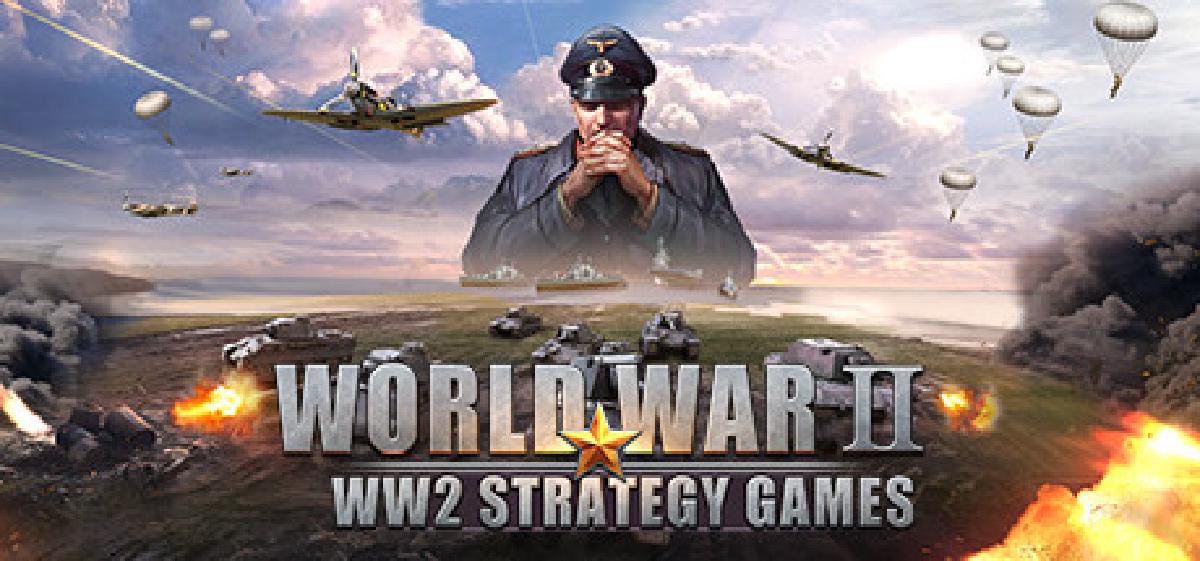
Image credit: Steam
This article was generated with AI assistance and reviewed for accuracy.