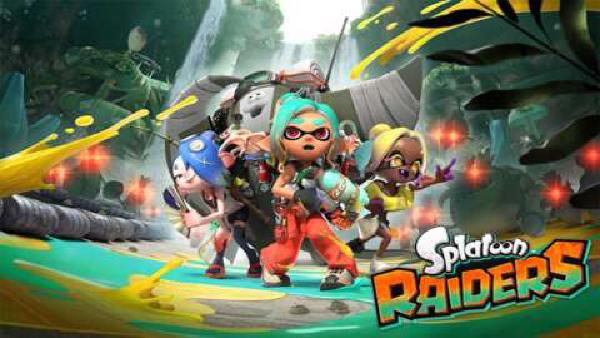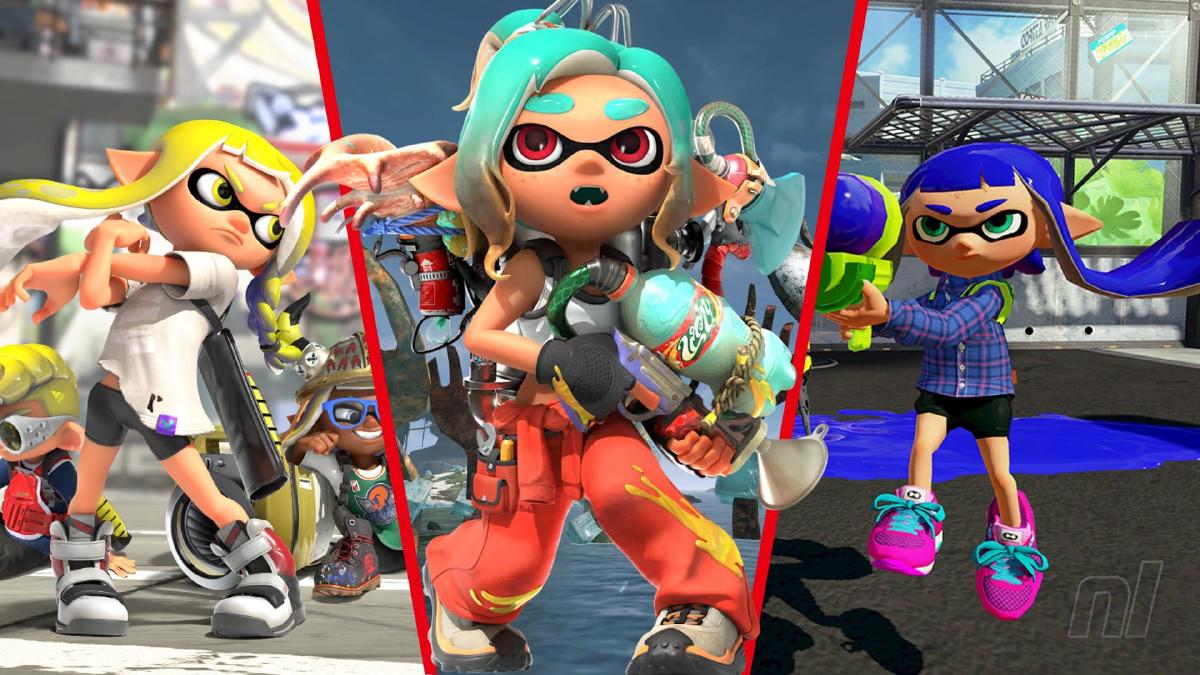
Nintendo’s Splatoon franchise has undergone significant transformation since its debut in 2015 on the Wii U. Originally launched as a bold entry into the multiplayer shooter genre,a territory Nintendo had rarely explored,Splatoon has since evolved into one of the company’s flagship series. As first reported by Nintendo Life, the game’s vibrant aesthetics and innovative mechanics have garnered a dedicated fan base, making it a mainstay in the gaming landscape.
The series began with a unique proposition: a third-person shooter where players control squid-like humanoids to shoot ink instead of traditional bullets. This distinct approach not only set it apart from competitors but also introduced a family-friendly atmosphere, encouraging gameplay that emphasizes creativity and teamwork over violence. The original Splatoon was a gamble for Nintendo, risking its reputation with a new IP on a console that struggled commercially.
Fast forward to today, and Splatoon has grown into a franchise that has sold millions of copies worldwide. Each entry has built upon its predecessor’s foundation, refining gameplay mechanics, enhancing graphics, and expanding its vibrant world. The second entry, Splatoon 2, released for the Nintendo Switch in 2017, took the series to new heights with improved online multiplayer options and additional content, including new maps, modes, and customization features.
However, it is the most recent installment, Splatoon 3, that has shifted the paradigm once again. Released in September 2022, this version includes a variety of new elements, including an expanded single-player campaign, enhanced multiplayer options, and a rich lore that deepens the immersion. The game also introduces new weapons and mechanics, such as the “Splatoon 3” special moves that allow players to strategize more effectively in battles.
The franchise’s staying power can be attributed not only to its engaging gameplay but also to Nintendo’s commitment to community engagement. Regular updates and events keep the player base active, with seasonal content that introduces fresh challenges and limited-time modes, ensuring that players have reasons to return to the vibrant world of Splatoon.
Despite its commercial success, the series has also faced its share of challenges, particularly concerning balancing issues within its competitive matchmaking system. Players have vocally highlighted concerns about weapon balance and matchmaking fairness, which can affect the overall competitive experience. However, Nintendo has been relatively responsive, releasing patches that aim to address these concerns and improve overall gameplay.
In summary, Splatoon has transformed from an experimental title on the Wii U to one of Nintendo’s most beloved franchises. Each iteration has built upon the last, creating a cohesive and engaging experience for players. As we look to the future, it will be interesting to see how Nintendo continues to innovate within this cherished series, especially as they explore new gameplay mechanics and expand upon the lore that fans have come to love.
The Splatoon series has not only solidified its place within Nintendo’s catalog but has also made a significant impact on the gaming industry’s approach to multiplayer shooters. With its colorful art style, addictive gameplay, and emphasis on community, Splatoon is likely to keep players splatting for years to come.
Image credit: Nintendo Life
This article was generated with AI assistance and reviewed for accuracy.