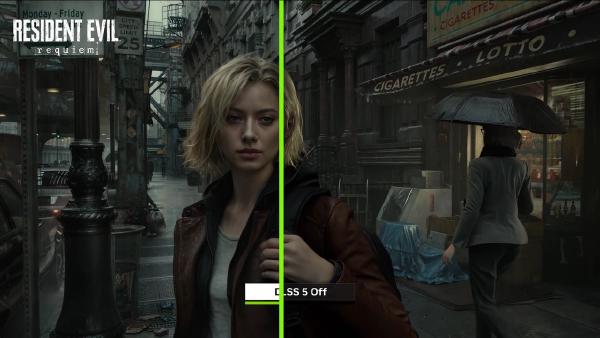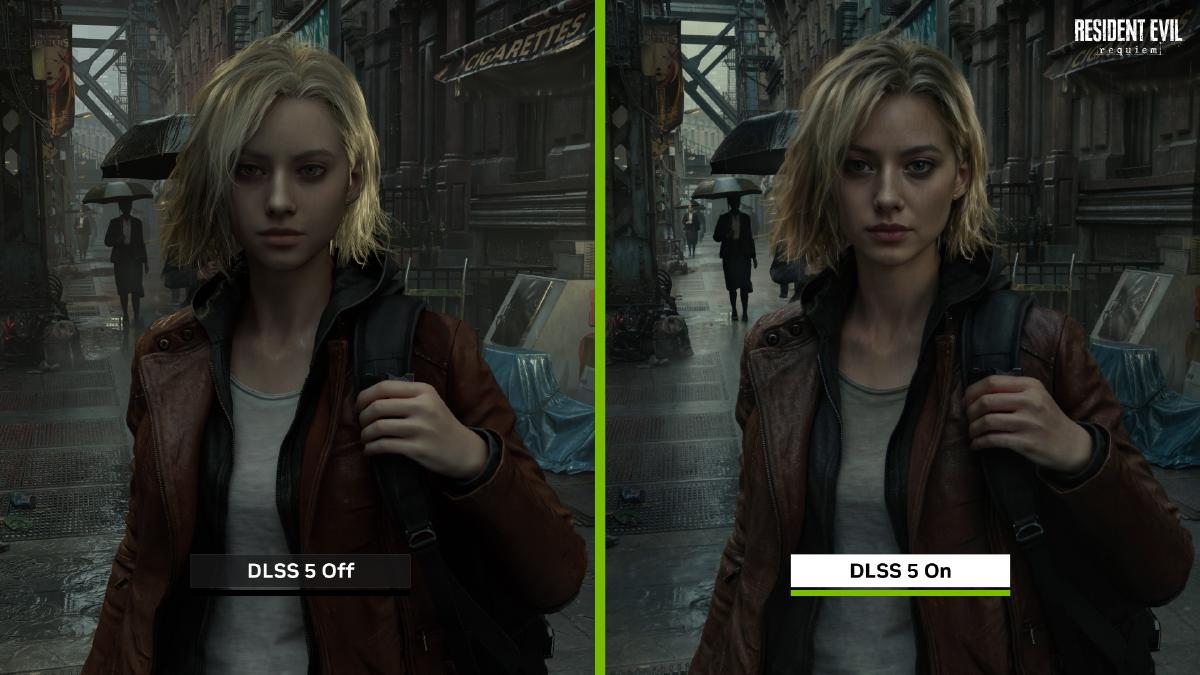
NVIDIA has announced the upcoming release of DLSS 5, set to launch this fall, which promises to elevate gaming visuals through a groundbreaking AI-powered rendering model. As first reported by Nvidianews, this new technology focuses on real-time neural rendering, enhancing the quality of in-game graphics with improved photorealistic lighting and materials.
DLSS 5 marks a significant milestone in the evolution of computer graphics, being touted as NVIDIA’s most notable advancement since the introduction of real-time ray tracing in 2018. This progression in visual fidelity aims to provide players with an unprecedented level of detail, allowing for a more immersive gaming experience.
The technology behind DLSS 5 leverages advanced machine learning algorithms to optimize rendering processes. This results in more lifelike environments, with light interactions and texture details that closely mimic reality. By utilizing neural networks, DLSS 5 can make intelligent decisions about how to render scenes, allowing for higher frame rates without sacrificing visual quality. Such improvements are especially crucial for gamers looking to enhance their gaming rigs with the latest graphics capabilities.
Supporting developers have lined up to implement this new technology in their upcoming titles. Major industry players such as Bethesda, CAPCOM, Hotta Studio, NetEase, NCSOFT, S-GAME, Tencent, Ubisoft, and Warner Bros. Games have confirmed their commitment to integrating DLSS 5 into future projects. This ensures that a wide array of games across genres will benefit from the enhanced rendering capabilities, appealing to both casual gamers and competitive players alike.
For players already invested in high-end gaming rigs, DLSS 5 is expected to provide a seamless experience on platforms that support NVIDIA’s latest graphics cards. This technology will likely be a key selling point for graphics cards in the RTX series, which are designed to fully exploit the capabilities of DLSS 5 and its neural rendering model.
One significant aspect of DLSS 5 is its adaptability. The technology can dynamically adjust to various gaming scenarios, optimizing performance across a range of hardware configurations. This flexibility makes it particularly attractive to developers, as they can tailor visual experiences without compromising gameplay performance.
As the gaming landscape continues to evolve, NVIDIA’s advancements in AI rendering are set to change how developers approach graphics design. With the backing of prominent studios and publishers, DLSS 5 could become a standard in future game development, pushing the boundaries of what’s possible in real-time graphics.
NVIDIA’s focus on continuous improvement in graphical fidelity echoes its commitment to enhancing gaming experiences. The company’s previous iterations of DLSS have already made waves in the industry, and with DLSS 5, it appears they are ready to take another significant leap forward.
As game developers prepare to implement DLSS 5, enthusiasts can look forward to a new generation of titles that not only look stunning but also perform efficiently. The intersection of cutting-edge technology and creative game design promises to deliver unforgettable visual experiences in the coming months.
NVIDIA, known for its innovation in graphics processing, continues to lead the way in enhancing visual fidelity and performance in gaming. With DLSS 5 on the horizon, players and developers alike have much to anticipate as the fall release approaches.
Image credit: Nvidianews
This article was generated with AI assistance and reviewed for accuracy.