Microsoft’s Xbox division is at a crossroads, grappling with the sustainability of its legacy franchises. As first reported by IGN, the reliance on iconic series such as Halo, Gears of War, and Fallout is becoming increasingly precarious, raising questions about the future direction of Xbox’s game portfolio.
Historically, these franchises have acted as pillars for Xbox’s growth. However, with diminishing returns on new installments and evolving player expectations, Microsoft faces the challenge of innovating beyond its established titles. Halo Infinite’s lukewarm reception exemplifies this trend, as the game struggled to meet the heightened anticipation following the franchise’s storied legacy. Critics and fans alike pointed to its lack of robust content updates and meaningful gameplay mechanics, which failed to captivate the player base in a time when engagement is critical for long-term success.
The situation is compounded by the changing dynamics in the gaming industry, particularly regarding player habits and preferences. The rise of multiplayer and live-service games has led to a shift in how players consume content. Titles like Fortnite and Call of Duty Warzone have set new standards with their seasonal updates and ongoing engagement strategies. In contrast, traditional single-player experiences, even those from beloved franchises, often struggle to maintain player interest over extended periods.
Moreover, Microsoft’s acquisition of Bethesda has not yet yielded significant results. While titles like Starfield have the potential to add depth to Xbox’s library, the immediate impact seems limited. The company must leverage its acquisitions to create new IPs or reimagine existing ones to foster a more sustainable ecosystem that can compete with the likes of Sony’s PlayStation, which continues to roll out critically acclaimed exclusives.
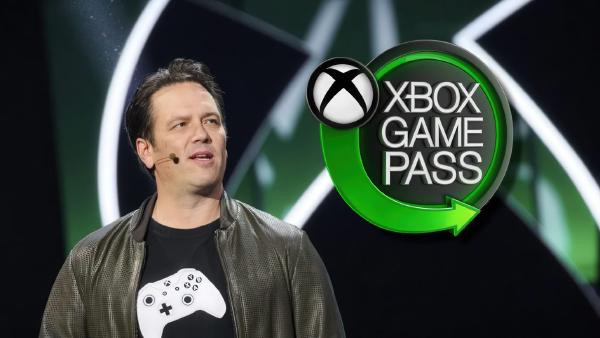
In addition to addressing its game lineup, Microsoft is also reevaluating its approach to Xbox Game Pass, its subscription service that has garnered a large following. The platform’s success relies on a constant influx of new titles to keep subscribers engaged. However, with the focus on legacy franchises, there is a risk that Game Pass may not be able to sustain the level of excitement necessary to keep its user base growing. Innovative, fresh content will be essential for the service’s longevity and appeal.
Another significant challenge lies in the competition for player attention. The gaming landscape is more crowded than ever, with new developers and platforms emerging regularly. Microsoft must not only enhance its existing franchises but also invest in new creative ventures that resonate with a diverse audience. This includes addressing underrepresented genres and demographics, which could yield fresh ideas and concepts that invigorate the gaming experience.
As Microsoft navigates these challenges, it faces the difficult task of balancing nostalgia with innovation. The company must acknowledge the limitations of its legacy titles while remaining committed to delivering high-quality, engaging gaming experiences. Otherwise, it risks falling behind in an industry that thrives on evolution and adaptability.
In summary, the future of Xbox hinges on Microsoft’s ability to transcend its reliance on established franchises and embrace a more comprehensive strategy that includes fresh ideas and innovative gameplay. Whether through new IPs or reinventions of existing titles, the company must act decisively to ensure its place in an ever-evolving gaming landscape.
Founded in 2001, Xbox has established itself as a prominent player in the gaming industry, known for franchises like Halo and Gears of War. With ongoing investments in technology and acquisitions, Microsoft aims to reshape its future in the gaming realm.
Image credit: IGN
This article was generated with AI assistance and reviewed for accuracy.