In a surprising disclosure, reports indicate that Microsoft had intentions to close Ninja Theory even before the studio unveiled its highly anticipated title, Senua Saga: Hellblade II. This revelation has raised eyebrows regarding the strategic decisions being made within the tech giant, particularly around its game development studios.
As first reported by VGC, the announcement of Senua at Xbox’s summer showcase came just weeks prior to the alleged plans for Ninja Theory’s closure. This timing suggests a deeper issue within Microsoft’s management of its gaming divisions. The juxtaposition of a major game reveal with potential studio shutdowns highlights the challenges that game developers face in an industry increasingly focused on profitability and sustainability.
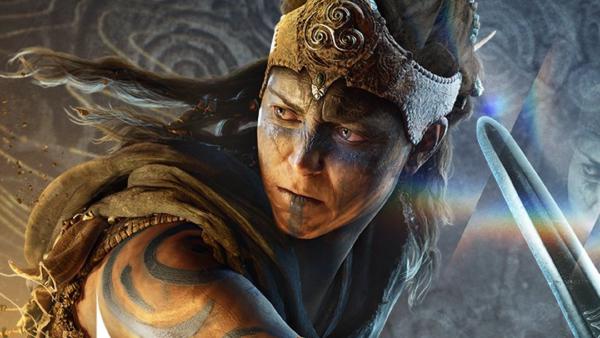
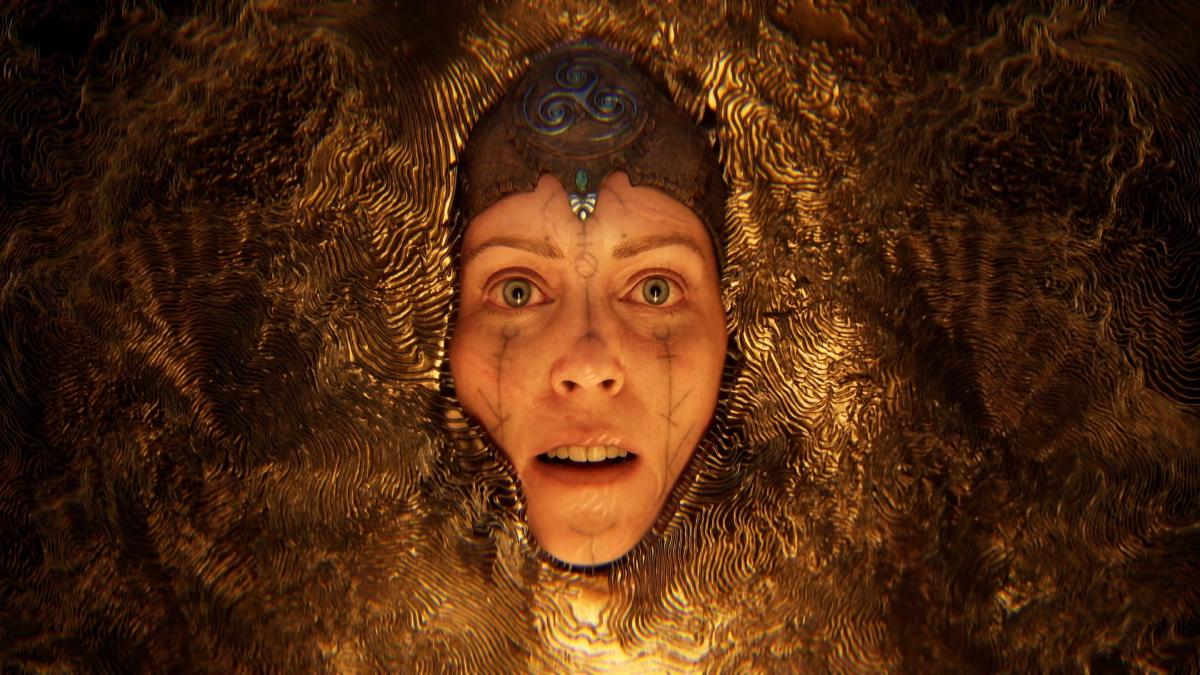
Senua Saga: Hellblade II, which is a sequel to the critically acclaimed Hellblade: Senua’s Sacrifice, was positioned as a flagship title for the Xbox Series X and Series S. Given the game’s narrative depth and innovative use of audio and visual technology, many fans were eager to see how Ninja Theory would advance the story of Senua, who battles both external foes and her own psychological struggles. However, the potential closure of the studio raises questions about the future of the franchise and the viability of its development team.
Analysts have long speculated about the broader implications of Microsoft’s acquisitions and studio management strategies. The tech behemoth has made several high-profile acquisitions in recent years, including ZeniMax Media, the parent company of Bethesda. However, these expansions have not been without controversy. Reports of studio closures or major restructuring efforts often follow such acquisitions, leading to concerns about the long-term health of the gaming ecosystem within these larger corporate structures.
The situation with Ninja Theory is particularly poignant, as the studio has established a strong reputation for its commitment to pushing the boundaries of storytelling in video games. Hellblade: Senua’s Sacrifice not only received numerous accolades for its narrative and psychological depth but also served as a critical case study in the representation of mental health issues in gaming. The potential closure of Ninja Theory would not only impact the development of Senua Saga but also signal a setback for the type of innovative storytelling that has become increasingly important to the gaming landscape.
While the industry has seen a trend of consolidation, resulting in fewer independent studios, the implications of such closures extend beyond the immediate impact on game development. They raise fundamental questions about creative freedom, the balance between commercial success, and narrative integrity. With gamers becoming more invested in the stories and characters they engage with, the health of studios like Ninja Theory becomes a matter of collective concern.
As news surrounding Ninja Theory continues to unfold, the gaming world watches closely. The successful launch of Senua Saga: Hellblade II is crucial not just for Microsoft, but for preserving the legacy of studios that strive to create meaningful narratives in an ever-evolving market. How Microsoft navigates this situation will be telling for its future direction in the gaming industry.
Ninja Theory, founded in 2004, is known for its commitment to high-quality narrative experiences and has previously tackled challenging themes, such as mental health. The studio’s work on Hellblade has garnered attention for its ambitious approach to storytelling and technology, making the prospect of its closure a significant concern for fans and industry observers alike.
Image credit: VGC
This article was generated with AI assistance and reviewed for accuracy.