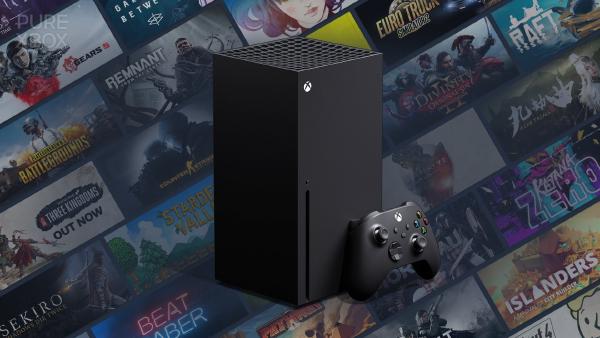
Microsoft is reportedly considering significant structural changes for its Xbox brand, including the possibility of spinning it off into a standalone entity. This move could allow Xbox to operate as a wholly owned subsidiary rather than merely a division within the larger Microsoft corporation. As first reported by GameSpot, these considerations come in light of recent challenges faced by Xbox, including a sharp drop in subscribers for its Game Pass service following a substantial price increase.
The potential restructuring reflects broader concerns that Xbox has not been performing up to expectations in recent years. Following the price hike for Game Pass, which raised the monthly subscription cost for the first time since its launch, Microsoft saw a notable exodus of subscribers. Sources indicate that the company is not only weighing the separation of Xbox from its corporate umbrella but is also striving to enhance the release timelines for major franchises like Elder Scrolls and Fallout.
The internal discussions at Microsoft reportedly include a focus on expediting development cycles for these highly anticipated titles. Following the acquisition of ZeniMax Media for $7.5 billion in 2021, Microsoft gained ownership of Bethesda, the studio behind the Elder Scrolls and Fallout franchises. However, the prolonged silence regarding the release dates for these games has led to growing impatience among fans and industry analysts alike.
In addition to potential changes in corporate structure and game release strategies, Microsoft is expected to invest more heavily in expanding its gaming portfolio. This could lead to new game announcements or even acquisitions of other gaming studios to bolster its development capabilities. By accelerating work on marquee franchises, Microsoft aims to reclaim the momentum lost in recent years and invigorate the Xbox brand.
The Game Pass service, a central component of Xbox’s strategy, has been instrumental in attracting a diverse range of players. However, the recent subscriber decline highlights the risks associated with price adjustments in a competitive market. The company hopes that faster game releases and a restructured Xbox will keep players engaged and subscribed to the service.
As Microsoft navigates these changes, the company must also consider the competitive landscape in which it operates. Rival platforms such as Sony’s PlayStation and various PC gaming options continue to pose a challenge, making it imperative for Xbox to innovate and deliver quality content consistently.
In summary, Microsoft’s potential spin-off of Xbox signifies a significant shift in strategy aimed at revitalizing the brand. By exploring new operational models and focusing on expediting game releases, Microsoft hopes to not only recover lost subscribers but also enhance its position in the gaming market.
Founded in 2001, Xbox has evolved into a prominent name in the gaming industry, known for its consoles, services, and exclusive titles. As the industry continues to evolve, Microsoft’s decisions regarding the future of Xbox will undoubtedly have lasting implications both for the company and its player base.
Image credit: Steam
This article was generated with AI assistance and reviewed for accuracy.