As Xbox celebrates its 25th anniversary, the division faces an uncertain future under Microsoft’s leadership. Following the recent appointment of Asha Sharma as CEO, the company is reportedly considering multiple options, including a potential spinoff of the Xbox division, as it grapples with disappointing profit margins that currently stand at a mere 3%. As first reported by Wccftech, these developments suggest a significant shift is on the horizon for the iconic gaming brand.
In her initial 100 days in office, Sharma has already indicated that a comprehensive overhaul of the Xbox division is necessary. Reports indicate layoffs are imminent, which underscores the urgency of the situation. The focus now seems to be on resetting Xbox’s trajectory while addressing the financial challenges that have plagued the division for some time.
The Information has provided insights from sources familiar with Microsoft’s internal discussions, revealing that the company is exploring various scenarios, including a complete sale of the Xbox division or a potential joint venture. While these options might appear drastic, they reflect Microsoft’s broader strategy to enhance profitability and streamline operations within its gaming sector.
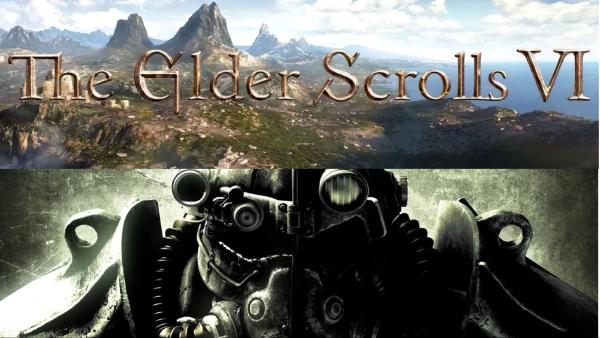
In conjunction with these corporate considerations, there’s also an emphasis on revitalizing some of Xbox’s flagship franchises. Particularly, there are plans to push for more content in the Fallout and Elder Scrolls series. Both franchises have historically been significant contributors to Xbox’s brand identity and financial success, making their revitalization a critical aspect of Microsoft’s strategy to bolster its gaming portfolio.
The potential spinoff is not without precedent in the tech industry, where companies often reassess divisions that do not align with their primary business objectives. By exploring such options, Microsoft may be seeking to offload a segment that has not met expectations or to partner with entities that could better harness Xbox’s strengths in the gaming landscape.
Furthermore, the implications of these moves extend beyond just corporate strategy; they resonate within , where fans have expressed increasing concern over the future of their favorite franchises. The fallout from these decisions could significantly impact game development and release schedules, leading to both anticipation and anxiety among gamers.
Despite the challenges ahead, Microsoft’s focus on enhancing its game offerings could serve as a silver lining amid these transitions. By investing in established franchises like Fallout and Elder Scrolls, the company may be looking to leverage existing fan bases while appealing to new players, which could ultimately play a crucial role in revitalizing the Xbox brand.
The current landscape presents a complex interplay of corporate strategy and community sentiment, highlighting the delicate balance that Microsoft must maintain as it navigates this pivotal moment. With a combination of internal restructuring and a renewed focus on game development, the future of Xbox remains uncertain, yet full of potential avenues for growth and reinvention.
Founded in 1996, Xbox has become a cornerstone of Microsoft’s entertainment strategy, known for its innovative hardware and beloved gaming franchises. The recent shifts in leadership and strategy mark a significant chapter in the company’s history, as it seeks to redefine its identity in an ever-evolving industry.
Image credit: Wccftech
This article was generated with AI assistance and reviewed for accuracy.