Microsoft’s ongoing restructuring efforts have led to significant workforce reductions, particularly impacting the team behind Doom (2016). As first reported by Gamedeveloper, nearly two-thirds of the remaining developers from the iconic title have been laid off during this latest round of cuts.
The layoffs come amid a broader trend within Microsoft, which has been reassessing its business strategies across various gaming divisions. The decision signals a change in focus and priorities, particularly as the company seeks to streamline operations and allocate resources more efficiently in an increasingly competitive gaming market.
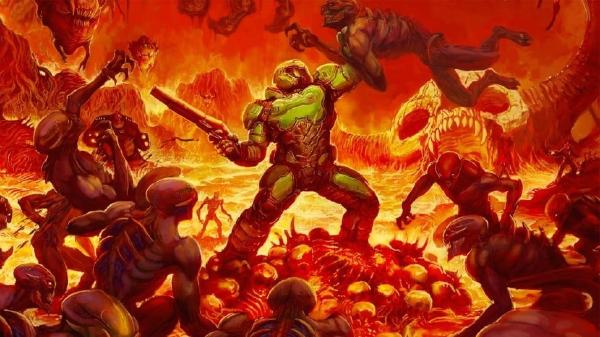
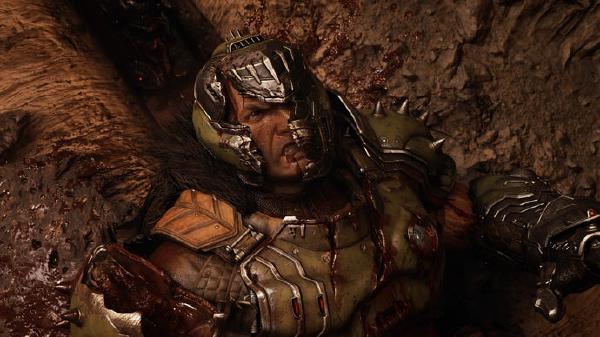
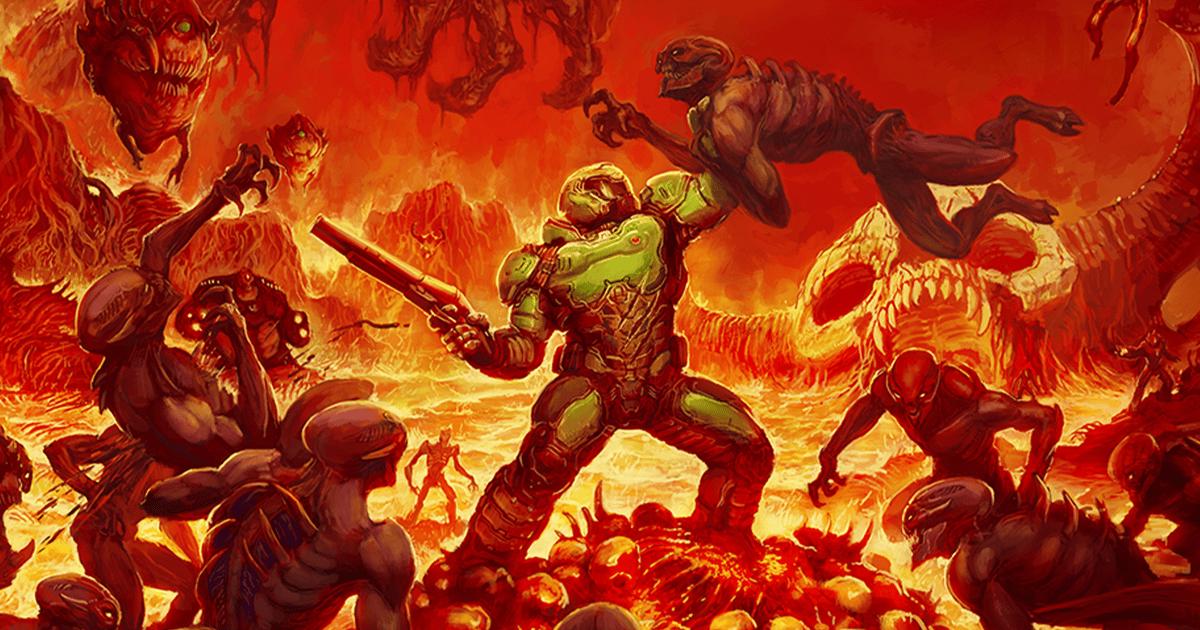
Doom (2016), developed by id Software and released to critical acclaim, marked a successful revival of the beloved franchise. The game is credited with reinvigorating first-person shooters through its high-octane gameplay and fast-paced mechanics. It was also instrumental in showcasing the capabilities of the id Tech 6 engine, with its stunning graphics and fluid animation.
Despite the layoffs, the future of the Doom franchise remains uncertain, as the industry grapples with the implications of these workforce reductions. The recent cuts have raised concerns about the continuity of projects in development, including any potential sequels or expansions that may have been in the pipeline. Sources indicate that while some projects were already underway, the restructuring could affect their timelines and overall execution.
This round of layoffs is part of a larger wave of job cuts across Microsoft, which has publicly committed to reassessing its workforce in light of shifting market demands. The gaming division, in particular, has faced scrutiny as it attempts to maintain its competitive edge against rival platforms like Sony’s PlayStation and the growing cloud gaming sector.
Bethesda, which oversees the Doom franchise, has yet to officially comment on how these layoffs may impact future game development. However, the studio’s leadership may need to pivot quickly to ensure that remaining projects stay on track and meet the expectations of a passionate player base.
The gaming industry is no stranger to workforce fluctuations, often influenced by financial pressures and evolving market trends. It remains crucial for companies like Microsoft and Bethesda to adapt strategically to these changes, ensuring that they continue to deliver high-quality experiences to players while navigating economic uncertainties.
As this situation unfolds, industry analysts will be closely observing the developments at Microsoft and Bethesda, especially in regards to the future of beloved franchises like Doom. The focus will likely be on how these layoffs will affect game development timelines and the overall strategy for upcoming releases.
The layoffs affecting the Doom (2016) team serve as a stark reminder of the challenges faced within the gaming industry, where talent and creativity are vital yet vulnerable to corporate strategy shifts. Fans of the franchise will undoubtedly be waiting for updates on the future of Doom and any potential projects that may arise from the remaining team.
Bethesda, a subsidiary of Microsoft, has a rich history of developing iconic games, including the Elder Scrolls and Fallout series, alongside the Doom franchise. The studio’s legacy in the industry remains strong, but the impacts of these layoffs will be felt for some time as the dust settles on this latest chapter in its narrative.
Image credit: Gamedeveloper
This article was generated with AI assistance and reviewed for accuracy.