In a recent statement, a Japanese game developer pointed out significant barriers to developing games for Xbox, particularly due to the console’s limited availability in major retail stores. This sentiment underscores ongoing challenges faced by Microsoft in promoting its gaming ecosystem in Japan, a market that has traditionally favored PlayStation and Nintendo consoles.
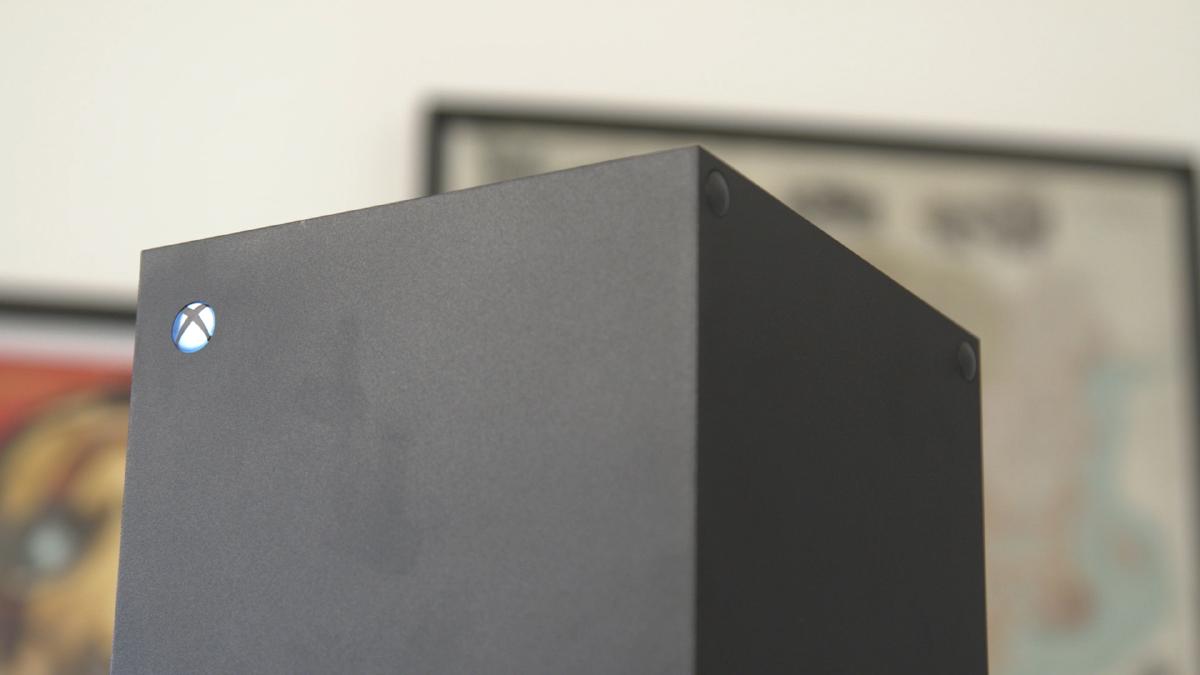
As first reported by Techradar, the developer expressed frustration over the Xbox’s scarcity in retail locations, suggesting that this has a direct impact on their decision-making process regarding game development for the platform. The studio’s remarks indicate that the lack of physical presence in stores creates a perception problem, making it difficult for potential players to engage with the Xbox console.
The developer’s comments shine a light on a broader issue within the gaming industry, where console availability can significantly influence developers’ choices. The situation in Japan is particularly complex, as cultural preferences and historical market dynamics have shaped the gaming landscape. In this context, the Xbox brand has struggled to gain a foothold, with many consumers favoring offerings from competitors.
In addition to retail challenges, the developer hinted at the importance of local market presence and support. “If retailers do not stock Xbox consoles, it becomes harder for us to justify development efforts for that platform,” they noted. This perspective reveals a critical intersection between hardware availability and the willingness of developers to invest resources into creating titles for that hardware.
Despite various efforts from Microsoft to bolster its presence in Japan, including localized marketing campaigns and exclusive titles, the company continues to face an uphill battle. The Xbox Series X and Series S launched with much promise, but the ongoing perception of the brand remains a significant hurdle. As a result, developers may be hesitant to allocate resources to a platform that they perceive as lacking market traction.
The comments from the Japanese developer highlight a crucial issue within the industry,how retail availability can shape not just consumer interest but also developers’ strategic decisions. For developers, the visibility of a platform can impact potential sales, and if a console isn’t readily available, it may not be worth the investment to create games for it.
Looking ahead, the landscape may shift if Microsoft continues to implement strategies aimed at increasing Xbox’s presence in Japan. However, as it stands, the developer’s insights illustrate a clear connection between retail availability and the perception of the Xbox brand in the Japanese market.
This sentiment is echoed by various industry analysts who point to the need for Microsoft to enhance its retail partnerships and ensure that Xbox consoles are easily accessible to consumers. Given the competitive nature of the gaming market, the onus is on Microsoft to address these distribution challenges effectively.
In summary, the Japanese developer’s candid remarks serve as a reminder of the complexities of the gaming market, particularly in regions with entrenched preferences. The interplay between hardware availability and developer support is crucial in determining the success of any platform, and as the industry evolves, these factors will remain essential in shaping future game releases.
Founded in 1975, Microsoft has made significant strides in the gaming industry with its Xbox brand, aiming to create a robust ecosystem that caters to a wide array of gaming enthusiasts. However, breaking into markets like Japan remains a formidable challenge, one that will require sustained effort and a re-evaluation of retail strategies.
Image credit: Techradar
This article was generated with AI assistance and reviewed for accuracy.