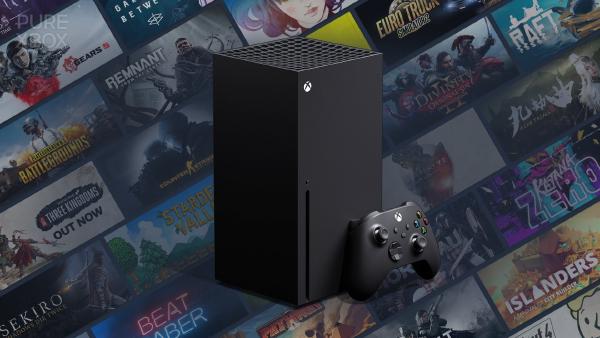
Recent reports suggest that Xbox is engaging in significant discussions regarding the future of exclusivity for its gaming titles. Following Asha Sharma’s appointment as Microsoft Gaming CEO, the focus appears to be shifting back toward making more games exclusive to Xbox platforms. This could have notable implications for how Xbox titles are released across different systems, including the anticipated Switch 2, as first reported by Nintendo Life.
The shift in strategy seems to reflect a broader move within Microsoft to reassert its position in the gaming market. Jez Corden, an Executive Editor at Windows Central, highlighted that these “very big discussions” are ongoing at Microsoft, indicating that the company is contemplating a future where Xbox games may be less accessible on rival platforms.
Exclusivity has long been a contentious topic in gaming. Developers often argue that having exclusive titles can enhance the brand identity of a console, creating a more compelling reason for consumers to purchase that system. Microsoft has historically taken a more open approach, especially in recent years, with several major titles available on both Xbox and PC, as well as other platforms like PlayStation. However, under Sharma’s leadership, there seems to be a renewed interest in adopting a more traditional exclusive model.
This potential shift comes at a crucial time for Microsoft, as it competes not only with established rivals like Sony but also with the rising influence of cloud gaming. By solidifying a library of exclusive games, Microsoft could further differentiate its Xbox platform from competitors, providing gamers with unique experiences that cannot be found elsewhere.
The prospect of increased exclusivity could also have ramifications for upcoming titles that are currently in development. Speculation has arisen around how this might affect major franchises, especially those that have historically been available across multiple platforms. Fans have already seen discussions about titles like “Fable” and the next “Elder Scrolls” installment, raising questions about whether these games will remain multi-platform or transition to exclusive experiences.
While no concrete plans have yet been announced, the internal conversations at Xbox signal a proactive approach to shaping the future of its gaming strategy. As the gaming landscape continues to evolve, the company’s direction under Sharma’s leadership will likely have a lasting impact on how Xbox positions itself against competitors.
With Microsoft continuing to invest heavily in gaming technology and services, including cloud-based gaming, this potential shift toward exclusivity could serve to bolster its overall offering. By creating a more robust lineup of exclusive titles, Microsoft may aim to not only attract more players to its ecosystem but also retain existing fans who are increasingly looking for unique and engaging gaming experiences.
As these discussions unfold, will undoubtedly keep a close eye on how Xbox navigates this potential shift in strategy. The outcome could reshape not only Xbox’s future but also the competitive dynamics across the broader gaming market.
Founded in 2001, Xbox has grown to become a major player in the gaming industry. With a strong library of exclusive titles, advanced technology, and a commitment to evolving gaming experiences, Microsoft continues to seek ways to maintain its competitive edge.
Image credit: Nintendo Life
This article was generated with AI assistance and reviewed for accuracy.