Recent developments at Xbox highlight significant challenges in the firm’s strategy surrounding its Game Pass subscription service. Following a series of layoffs that have seen thousands of employees cut from historic studios such as Bethesda, Obsidian, and id, the effectiveness of the Game Pass model has come under scrutiny. As first reported by Wccftech, this shift in focus has led to the divestiture of four, and possibly five, studios, raising questions about the sustainability of Xbox’s gaming approach.
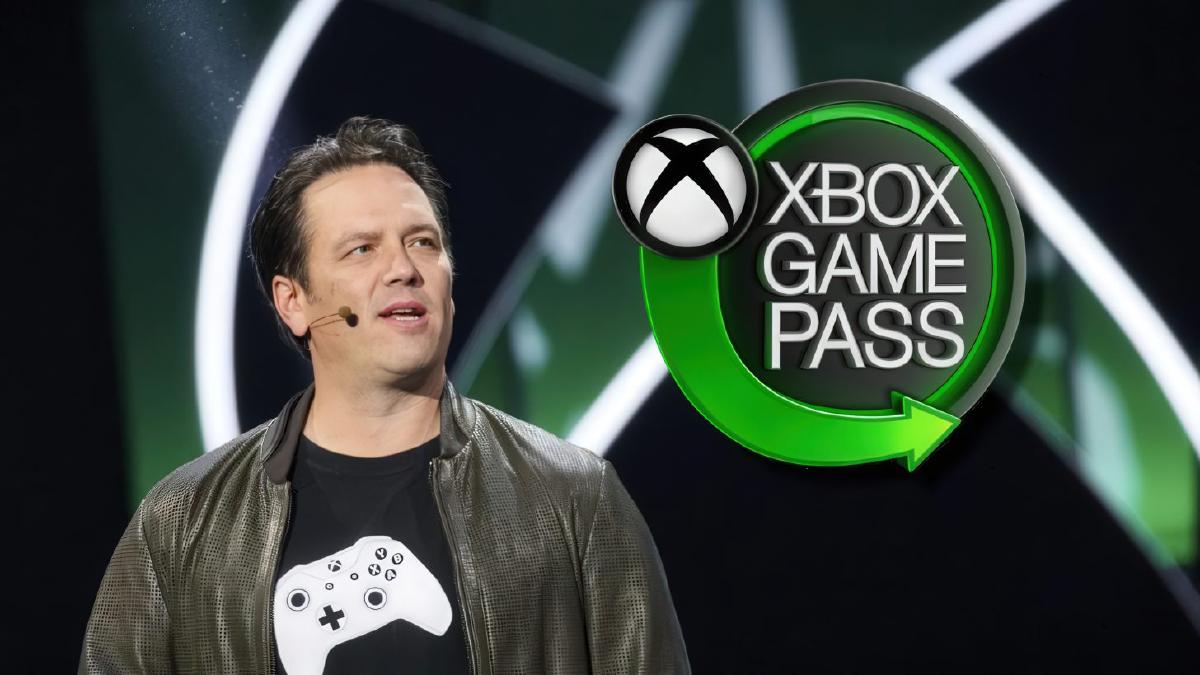
Phil Spencer, head of Xbox, and Microsoft CEO Satya Nadella initially aimed to replicate the success of Netflix’s subscription model in the gaming arena. However, the disparities between the two forms of entertainment are stark and critical to understanding the shortcomings of this strategy. Video games generally offer a much longer engagement per user than television series or films, making the transition to a subscription model more complex.
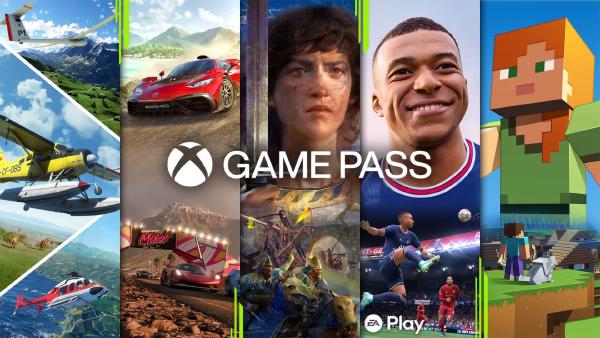
Game Pass was designed to entice players with a vast library of titles for a monthly fee, promoting a Netflix-like binge experience. The idea was to draw in a wide range of players who would be willing to pay for access to a multitude of games. However, the return on investment has not matched expectations, and growth has reportedly stalled. This stagnation comes at a time when Xbox is also grappling with a changing market landscape and increasing competition from rival platforms.
The recent reorganization within Xbox raises concerns about the future of its first-party titles and overall game development strategy. With significant layoffs and studio divestitures, the company now faces a potential void in exclusive content, which is crucial for driving Game Pass subscriptions. The emphasis on quantity over quality in game releases could further exacerbate this issue, as players may find the platform less appealing without high-caliber titles to engage with.
The content pipeline for Game Pass is also in jeopardy. The loss of experienced developers and creative teams means that the ability to produce compelling content could be hindered. High-profile titles like Starfield and future works from the newly acquired studios are pivotal for not only retaining current subscribers but also attracting new ones. However, with the current restructuring, it is unclear how these projects will unfold.
As the gaming industry continues to evolve, Xbox must reassess its focus on the Game Pass model. A more balanced approach that emphasizes quality and diversity in its game catalog might be necessary to maintain relevance and foster growth. This means not only investing in new titles but also in the developers behind them.
The challenges facing Xbox are emblematic of broader trends in the gaming sector, where subscription models are being tested against traditional retail. As the company navigates these turbulent waters, the lessons learned may prove invaluable for future strategy. The need for a comprehensive understanding of consumer behavior and market dynamics cannot be overstated.
In light of these struggles, Xbox’s journey remains a crucial case study on the adaptation of subscription-based models in gaming. With a focus on delivering exceptional gaming experiences rather than merely expanding content libraries, Xbox may yet turn its fortunes around.
Xbox, a division of Microsoft, has made significant strides in recent years, particularly with its Game Pass service, which has become a focal point of its strategy. However, the recent upheavals indicate that the road ahead may require a fundamental reevaluation of its goals and methodologies.
Image credit: Wccftech
This article was generated with AI assistance and reviewed for accuracy.