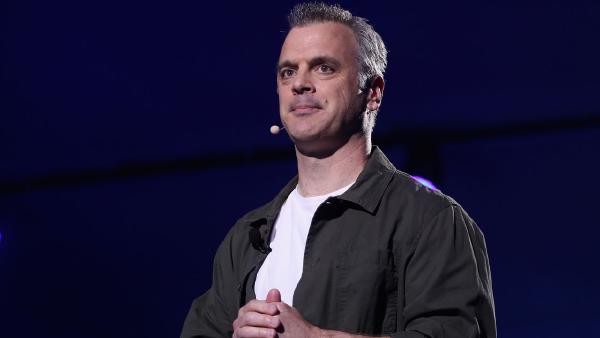
In a candid interview, Pete Hines, the former vice president of Bethesda Softworks, has leveled significant criticism at Microsoft regarding their approach to the Xbox brand. While not explicitly naming the company, Hines conveyed a strong sense of disillusionment, suggesting that the current direction of Xbox lacks authenticity and genuine engagement. This commentary could resonate deeply with fans and industry watchers alike, especially in light of Xbox’s ongoing challenges in the competitive gaming landscape.
As first reported by Push Square, Hines’s remarks came during a discussion with journalist Kirk McKeand. He emphasized that the current state of Xbox is perhaps not surprising to those closely following the industry. His comments highlight a broader concern over how major corporations manage their gaming divisions and the impact such management can have on brand integrity and player satisfaction.
Hines, who played a pivotal role in shaping Bethesda’s identity before the company’s acquisition by Microsoft in 2021, expressed a belief that the Xbox ecosystem is not being nurtured in a way that feels authentic. This perspective is noteworthy, considering Bethesda’s storied history in the gaming world, particularly with franchises like The Elder Scrolls and Fallout. Hines’s insights encourage scrutiny of Xbox’s strategic decisions and highlight areas where the platform could improve its relationship with developers and players.
The former executive’s criticism raises questions about the effectiveness of Microsoft’s leadership in the gaming sector, especially as the company continues to expand its portfolio through acquisitions and investment in new technologies. While Xbox has made strides in terms of services like Game Pass and cloud gaming, Hines’s comments suggest that there may be underlying issues that need to be addressed to cultivate a more genuine connection with its audience.
Xbox’s recent financial reports indicate that the platform is facing stiff competition from rivals such as Sony and Nintendo, who have maintained strong brand loyalty and a consistent pipeline of exclusive content. It may be imperative for Microsoft to reassess its strategies and ensure that its vision for Xbox resonates with both developers and players on a deeper level.
Hines’s perspective is particularly relevant as the gaming industry grapples with the implications of mergers and acquisitions. The consolidation of studios can lead to significant shifts in how games are developed and marketed. His assertion that Xbox is not a place for authenticity raises concerns over whether developers are able to communicate their creative visions freely within the corporate framework that Microsoft has established.
As the conversation surrounding the future of Xbox continues, Hines’s comments serve as a reminder of the importance of maintaining a strong community-focused approach in a rapidly evolving market. Players are increasingly seeking transparency and authenticity from the companies behind their favorite games. How Microsoft responds to these critiques could dictate its trajectory in the coming years.
Pete Hines’s tenure at Bethesda was marked by a focus on storytelling and immersive gameplay, establishing the studio as a major player in the industry. With his experience, his criticisms carry weight, and they may prompt both Microsoft and Xbox to reflect on their strategies moving forward. Whether these insights will lead to meaningful changes remains to be seen, but they undeniably highlight the challenges that come with balancing corporate interests and genuine gamer engagement.
Image credit: Push Square
This article was generated with AI assistance and reviewed for accuracy.