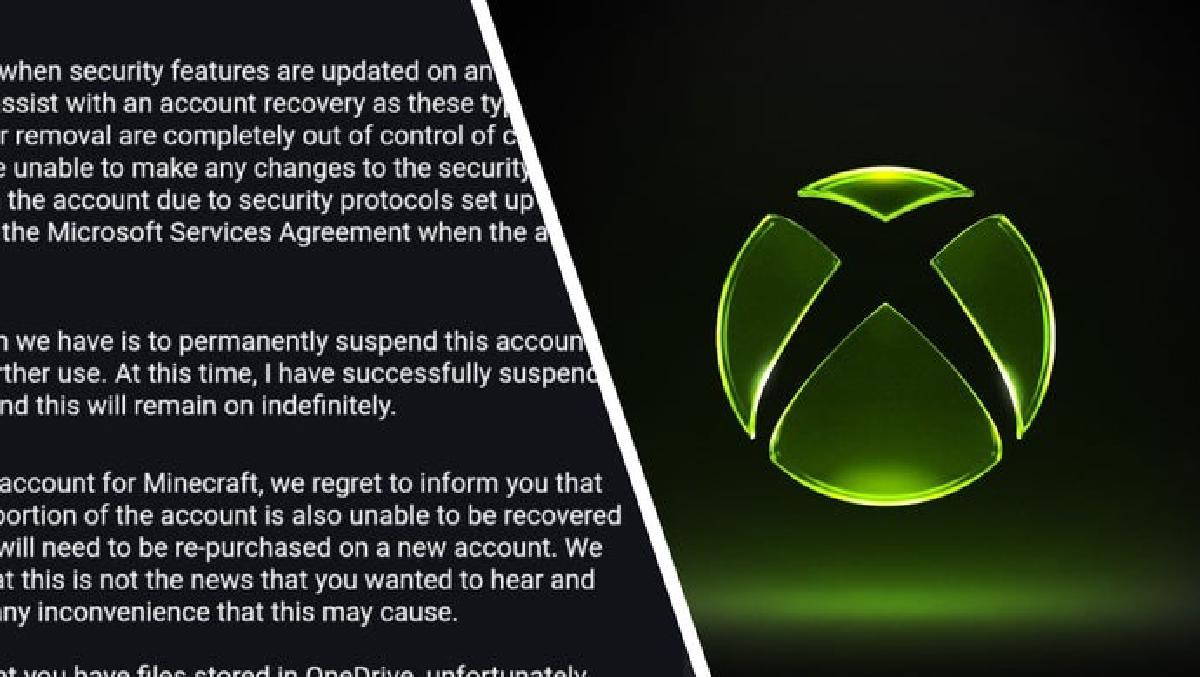
In a notable legal victory for consumer rights, a Brazilian gamer has successfully challenged Xbox after their account was hacked and subsequently suspended. The gamer was informed by Xbox that they would need to repurchase their entire library of digital games if they wished to regain access, prompting them to take legal action. As first reported by Eurogamer, the court ruled in favor of the gamer, highlighting significant implications for digital ownership and account security in the gaming industry.
The case underscores a growing concern among gamers regarding the safety and recovery options for digital accounts. In this instance, the plaintiff, who had invested considerable resources into their digital library, asserted that the terms of service regarding account recovery were inadequate. The court’s decision not only reinstates the gamer’s account but also stands as a potential precedent for similar cases in the future.
Details of the ruling reveal that the court found Xbox’s actions to be unjust, particularly in light of the fact that the gamer had taken the necessary steps to secure their account before the breach occurred. The legal system thus sided with the argument that users should not be penalized for circumstances beyond their control, particularly when they have already paid for their digital content.
This case amplifies ongoing discussions regarding digital ownership, especially as more gamers migrate to online platforms where physical ownership is increasingly rare. The implications for Xbox, a subsidiary of Microsoft, are noteworthy. As platforms continue to expand their digital offerings, maintaining secure and user-friendly recovery options will be critical in retaining customer loyalty and trust.
The outcome of this lawsuit could lead to increased scrutiny of how digital platforms manage account security and consumer rights. As more incidents of account hacking surface, the pressure will mount on companies like Xbox to implement more robust protection mechanisms and clearer policies for users who find themselves in similar situations.
For Xbox, this ruling may prompt a reassessment of their customer service protocols. It raises questions about the extent of their responsibility when it comes to account security and user recovery options. As digital content becomes more integral to the gaming experience, the need for transparent and fair recovery processes will only grow.
The legal victory is a testament to the rights of consumers in the digital age. It serves as a reminder that gamers are increasingly willing to stand up for their rights, particularly when it involves significant financial investments in digital assets. The case may encourage other consumers facing similar issues to challenge large corporations in court, knowing they may find support in the legal system.
Xbox, which has faced criticism in the past regarding its account security measures, may now need to bolster its defenses and rethink how it communicates with customers about account protection and recovery processes. The gaming world is watching closely to see how this ruling influences Xbox’s policies and practices moving forward.
This case also reflects broader trends in the gaming industry, where digital ownership and the associated rights remain contentious topics. As the landscape continues to evolve, the lessons drawn from this decision will likely resonate with both gamers and industry stakeholders alike.
The ongoing dialogue about digital rights, ownership, and security will undoubtedly shape the future of gaming as both players and companies navigate this complex terrain.
Image credit: Eurogamer
This article was generated with AI assistance and reviewed for accuracy.