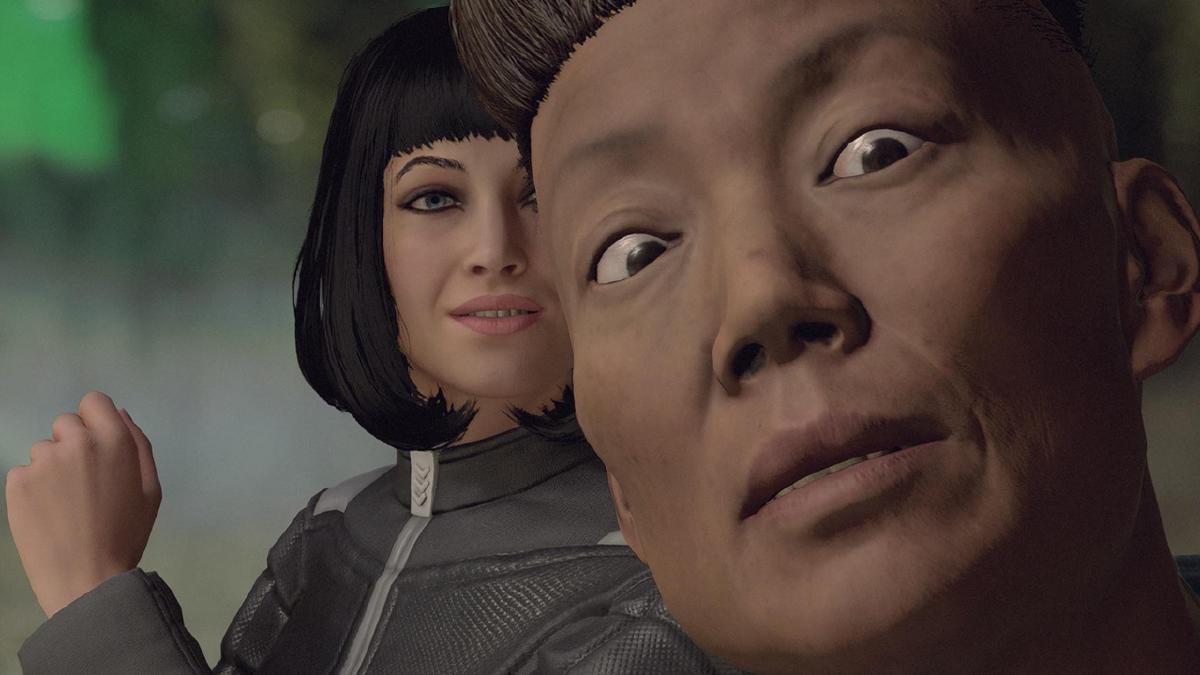
Chris Avellone, a seasoned designer known for his work on popular game locations like Diamond City and Little Lamplight, has shared his thoughts on the expansive universe of Starfield. As reported by PC Gamer, Avellone expressed that he felt the scale of Starfield’s galaxy was perhaps too vast, suggesting that a smaller number of planets with more detailed designs would have been preferable.
Starfield, Bethesda’s ambitious space RPG, offers players a staggering array of planets to explore, totaling over 1,000. While this grand scale is impressive, Avellone argues that the game might have benefitted from a more curated approach. He stated that focusing on fewer planets with bespoke layouts could have allowed for richer storytelling and more engaging gameplay experiences. This sentiment highlights a common tension in game design between quantity and quality.
Avellone pointed out that games in the RPG genre often thrive when they prioritize depth over breadth. He emphasizes that a handful of well-crafted worlds can create a more immersive experience than numerous generic ones. This perspective aligns with a growing discussion within the industry about the balance between scale and meaningful content in open-world games.
Bethesda has a history of creating expansive game worlds, but the challenge of filling those spaces with engaging content is ever-present. Games like Fallout 4 and The Elder Scrolls V: Skyrim have set a high standard for open-world design, where the detail of each location can greatly enhance player engagement. In Starfield, however, the sheer number of planets has led to criticism regarding the depth of exploration and interaction available on each one.
By evaluating the design choices made in Starfield, Avellone raises essential questions about player experience in vast gaming worlds. Could a more focused approach have made for a richer narrative? How does the quantity of content affect players’ emotional investment in the game? These are critical considerations for developers looking to strike the right balance in future titles.
Starfield, developed by Bethesda Game Studios, marks the company’s first new IP in 25 years and has already garnered significant attention for its ambitious scope. The game seeks to blend traditional RPG elements with a space exploration framework, allowing players to customize their characters and ships as they traverse the galaxy. While the gameplay mechanics and visuals of Starfield have received praise, Avellone’s insights could spark valuable discussions about the design philosophy behind such extensive worlds.
As discussions about game design continue to evolve, Avellone’s perspective serves as a reminder that sometimes, less is more. In a landscape where players are continually seeking new experiences, finding the right balance between exploration and meaningful content could define the future of RPG design.
Image credit: PC Gamer
This article was generated with AI assistance and reviewed for accuracy.