Asus has partnered with XReal to launch the ROG XReal R1 XR glasses, aiming to elevate the gaming experience for handheld devices. Priced at $849, these glasses promise to deliver a more immersive visual experience, especially for users looking to enhance their portable gaming setup. However, as first reported by IGN, there are both strengths and weaknesses to consider.
The appeal of XR glasses lies in their potential to transform the way players interact with their games, especially with the rise of handheld gaming PCs like the Steam Deck. With these glasses, users can potentially enjoy a larger display without the hassle of carrying additional screens. The ROG XReal R1 is designed specifically to integrate with devices like the Asus ROG Ally, boasting a clear picture quality along with RGB lighting to match gaming aesthetics.
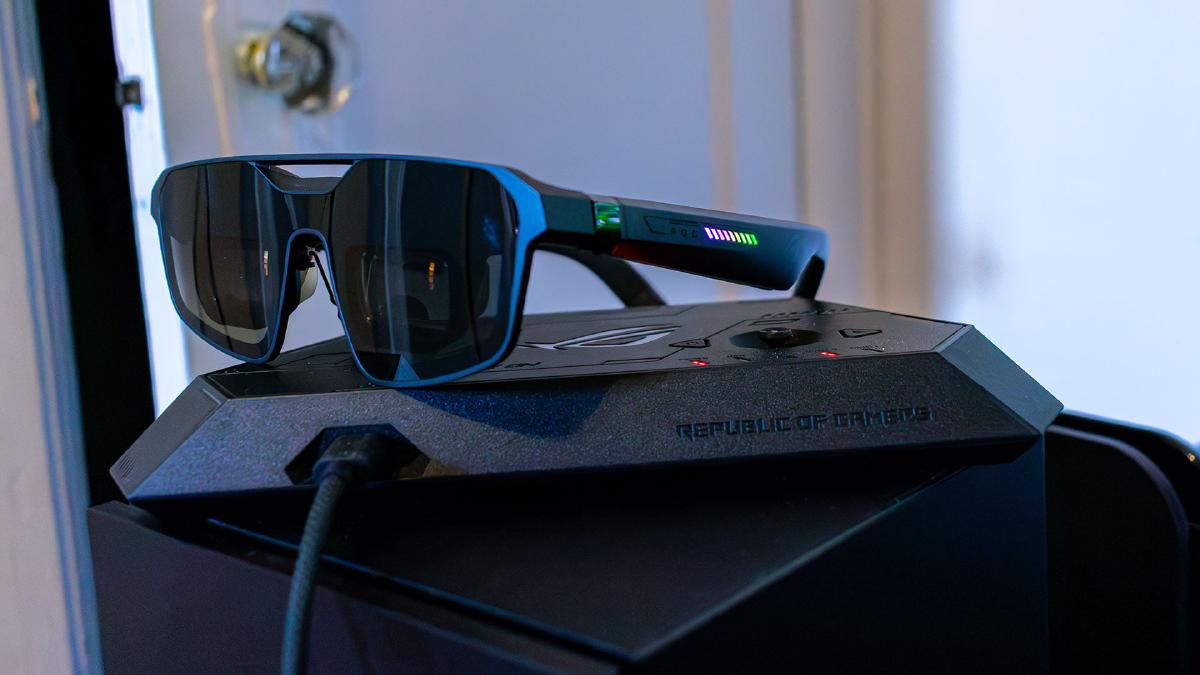
Despite these enticing features, the price tag raises immediate questions. At $849, consumers are not only covering the cost of the glasses but also a dock that allows HDMI and DisplayPort connections to multiple devices. While the idea of a versatile dock seems innovative, it disappointingly emerges as one of the weaker aspects of the package. The overall functionality may not justify the high cost for every gamer.
In terms of design, the ROG XReal R1 follows a familiar trend seen in other XR glasses. The need for displays and mirrors leads to bulkier forms that are not particularly sleek. The glasses feature a one-inch thick hood that houses the displays, leading to a more pronounced appearance on the wearer’s face. While the external lenses exhibit a somewhat angular design, making them slightly more visually appealing than some competitors, they do not break new ground in aesthetics.
One point of differentiation is the placement of the camera sensor used for head tracking, which is somewhat better concealed than in rival models. The dark plastic front of the glasses has a boxed-off center section that houses the 3DoF sensor. This design choice may go unnoticed by those unfamiliar with XR technology, which is a thoughtful touch amidst an otherwise bulky design.
The performance of the ROG XReal R1 is where the glasses shine, particularly when paired with compatible handheld devices. Users report clear visuals and responsive tracking capabilities, enhancing the immersive experience that XR technology aims to provide. However, the overall experience can vary significantly based on the device used, with performance potentially suffering when paired with less capable hardware.
While Asus’s collaboration with XReal shows promise, the ROG XReal R1’s high price and bulky design may deter some potential buyers. Gamers looking for a seamless integration with their handheld setups might find the glasses appealing, but many will weigh the costs against the benefits carefully.
Asus has a long-standing reputation in the gaming hardware sector, known for its innovative products and strong performance benchmarks. The ROG series specifically targets gamers who demand high-quality gear, and the ROG XReal R1 XR glasses are a continuation of this legacy, albeit with challenges that need to be addressed for wider adoption.
Image credit: IGN
This article was generated with AI assistance and reviewed for accuracy.