Qualcomm and MediaTek are making significant strides in the mobile chipset space with the upcoming release of their 2nm chipsets. As first reported by Wccftech, both companies are utilizing TSMC’s cutting-edge 2nm N2P process this year in an effort to close the performance gap with Apple’s A20 and A20 Pro chips. This advancement could provide a much-needed boost for Android devices, offering higher clock speeds for enhanced single-core and multi-core performance.
In a recent interview, Richard Chang, the founder of Semiconductor Manufacturing International Corporation (SMIC), shared his insights on what constitutes success in the semiconductor industry. As first reported by Wccftech, Chang argues that the prevailing notion that achieving smaller nodes, such as 3nm and 2nm, is the ultimate measure of success is a misconception.
AMD is finding itself in a favorable position amid the ongoing slowdown in the smartphone industry. As first reported by Wccftech, the company is seeing increased success with its 5nm CPU offerings while major competitors Qualcomm and MediaTek are pulling back from their commitments to TSMC’s 4nm and 5nm production lines. This shift is largely attributed to a significant decline in smartphone demand, which has forced both firms to relinquish some of their reserved capacity.
Apple is currently facing significant challenges in the supply chain for its iPhone 17 Pro Max, primarily due to a shortage of chips. As first reported by Wccftech, the impact of this shortage has led to customers in certain U.S. states struggling to locate the flagship smartphone.
Apple is reportedly exploring new avenues for chip manufacturing as it faces challenges with its primary supplier, TSMC. According to sources familiar with the matter, the company is tentatively engaging with both Intel and Samsung in an effort to diversify its silicon supply chain, which has become increasingly critical amid surging demand from AI hyperscalers. This information was first reported by Wccftech.
In a surprising twist during its recent earnings call, Apple has signaled a shift in strategies that could significantly impact the smartphone market landscape, particularly for its Chinese competitors. As first reported by Wccftech, Apple revealed that the primary hurdle facing its production is not the availability of memory but rather the limitations of TSMC’s advanced chip fabrication capabilities. This statement sends a clear message to Chinese original equipment manufacturers (OEMs) that Apple is intensifying its efforts to capture market share.
Apple’s forthcoming A20 chip, which is set to power the base model of the iPhone 18, appears to be facing significant hurdles due to ongoing DRAM shortages. As first reported by Wccftech, this situation is forcing Apple to reevaluate its technical ambitions, particularly concerning the chip’s potential use of the innovative WMCM packaging technology.
Reports have emerged of an ongoing legal battle involving Grand Process Technology Corporation (GPTC), a critical supplier for Taiwan Semiconductor Manufacturing Company (TSMC). The company has publicly refuted claims suggesting that sensitive technology was leaked to China, all while initiating a lawsuit against its former General Manager.
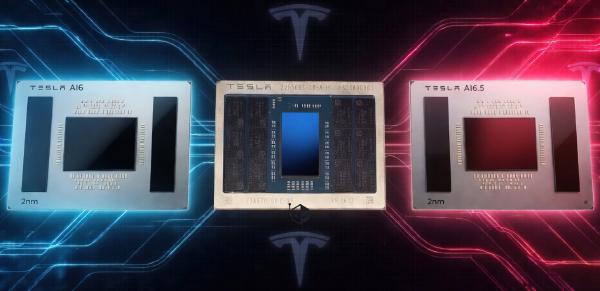
In a significant move for its artificial intelligence ambitions, Tesla has announced plans to produce its next-generation AI chips on American soil. As first reported by Wccftech, the tech giant is splitting the production of two chips, AI6 and AI6.5, between Samsung and TSMC facilities in Texas and Arizona, respectively. This decision reflects not only a shift in Tesla’s production strategy but also a commitment to bolstering domestic semiconductor capabilities.
In a recent discussion, Elon Musk emphasized the necessity of the Terafab project to meet the insatiable chip demand from his various enterprises, including Tesla and SpaceX. This announcement underscores the ongoing partnership between Musk and Taiwan Semiconductor Manufacturing Company (TSMC), while also highlighting the limitations of the foundry’s capabilities. As first reported by Wccftech, Musk stated that if TSMC could adequately fulfill his chip requirements, the Terafab initiative may never have been conceived.
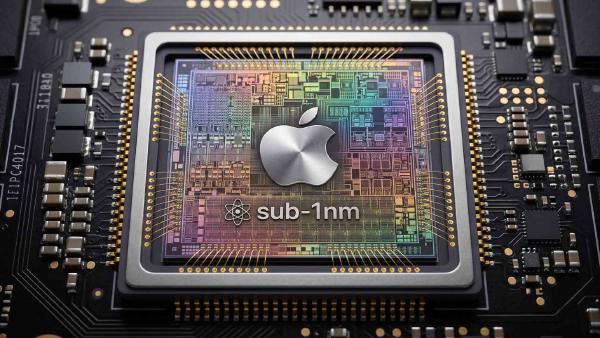
Apple is poised to push the boundaries of semiconductor technology, with plans for sub-1nm chips possibly hitting the market by 2029. As first reported by Wccftech, the tech giant’s exclusive manufacturing partner, TSMC, is gearing up to begin trial production of these advanced chips, marking a significant leap in processing capabilities.
Qualcomm’s upcoming Snapdragon 8 Elite Gen 6 Pro is generating buzz due to its transition to TSMC’s 2nm manufacturing process, a change expected to enhance both CPU and GPU performance. However, as first reported by Wccftech, early rumors suggest that the CPU performance may not meet expectations, raising concerns for mobile gaming and device enthusiasts.
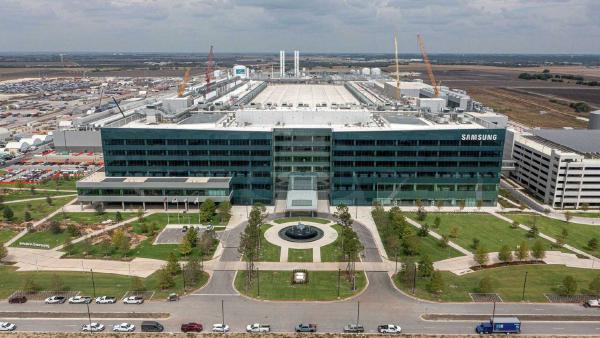
Samsung is making significant strides in semiconductor manufacturing, as the company commences trial production of 2nm chips at its Taylor plant in Texas. This development positions Samsung ahead of TSMC, which has opted not to mass-produce 2nm chips in the United States, as first reported by Wccftech.
TSMC’s 3nm chip production has hit a critical bottleneck, greatly affecting various sectors in the AI race. As first reported by Wccftech, only long-term and loyal clients are currently receiving priority access to these highly sought-after chips. This situation highlights the intense demand for cutting-edge technology, particularly from industry heavyweights such as Apple and NVIDIA.