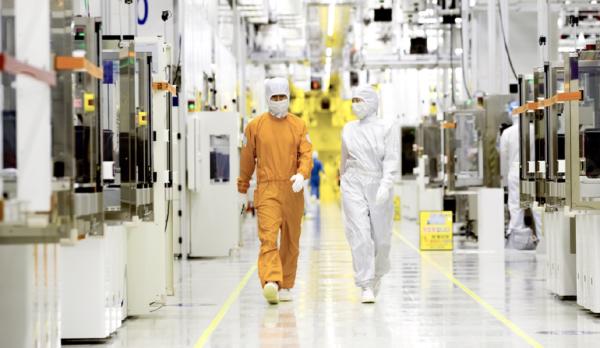
Samsung is witnessing a significant boost in its chip manufacturing business, largely fueled by soaring demand in the memory sector. Reports emerging from the Korean media indicate that Samsung Foundry has secured substantial orders that extend through 2027, and this uptick is attributed to the impressive stability of its 4-nanometer manufacturing process.
Samsung Electronics has reported unprecedented financial results for the first quarter of 2026, showcasing a remarkable boost in its semiconductor division. As first reported by Wccftech, the company’s operating profit from semiconductors surged by an astonishing 48 times compared to the same quarter last year, driven by relentless demand for memory products. This surge contributed to a staggering overall operating profit increase of 756 percent year-over-year.
A looming strike at Samsung Electronics has raised significant concerns in the semiconductor sector, particularly regarding the supply of DRAM (Dynamic Random Access Memory). As first reported by Wccftech, unionized workers are demanding a substantial bonus tied to the company’s annual operating profit, creating a situation that could disrupt global memory markets.
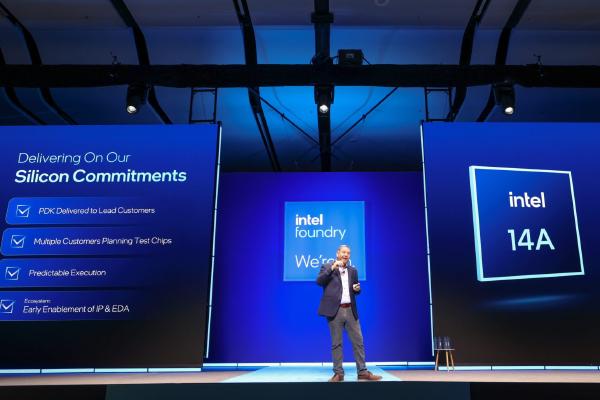
Intel’s Foundry division is gearing up to welcome significant clients, as the company’s 14A technology gains traction in the semiconductor market. As first reported by Wccftech, Intel’s 14A process is not just a technological advancement, but a strategic pivot aimed at attracting external customers rather than focusing solely on internal projects. This approach positions Intel to potentially secure partnerships with some heavyweight names in the industry before the end of the year.
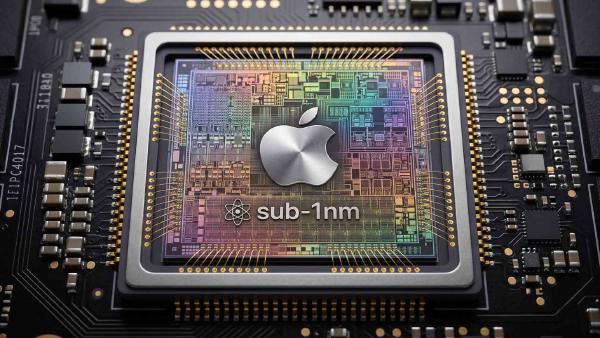
Apple is poised to push the boundaries of semiconductor technology, with plans for sub-1nm chips possibly hitting the market by 2029. As first reported by Wccftech, the tech giant’s exclusive manufacturing partner, TSMC, is gearing up to begin trial production of these advanced chips, marking a significant leap in processing capabilities.
Samsung Electronics is set to significantly revise its approach to high-bandwidth memory (HBM) development, reducing the cycle from two years to just one. This shift is primarily driven by the increasing demand for memory solutions in the artificial intelligence (AI) sector, as first reported by Wccftech. The company aims to align its production capabilities with the rapid advancements in AI technology and the expanding applications that require robust memory solutions.
In a surprising move, Samsung has announced a significant price increase for its DRAM memory products, raising prices by an average of 30 percent for the second quarter of 2026. This decision comes in the wake of a tumultuous period in the memory market, as first reported by Wccftech.
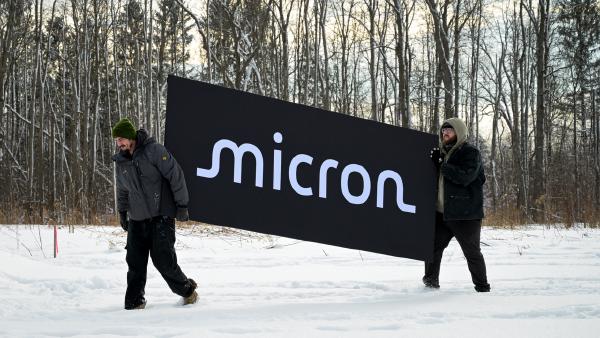
Micron Technology is embarking on a significant expansion in New York, with plans to invest up to $5.5 billion in a new semiconductor manufacturing facility. This move is expected to create approximately 9,000 jobs directly with the company, in addition to another 40,000 positions in supporting industries. The ambitious project underscores the growing importance of semiconductor manufacturing in the tech landscape, particularly as demand for memory solutions accelerates.