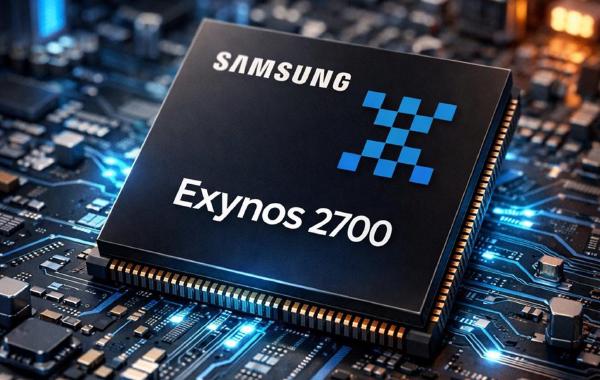
Rumors surrounding Samsung’s next-generation chipset, the Exynos 2700, have surfaced, hinting at significant advancements that could reshape the company’s market strategy. As first reported by Wccftech, this upcoming System on Chip (SoC) is expected to enhance artificial intelligence capabilities and play a crucial role in Samsung’s goal to increase its market share.
Samsung Electronics has reported unprecedented financial results for the first quarter of 2026, showcasing a remarkable boost in its semiconductor division. As first reported by Wccftech, the company’s operating profit from semiconductors surged by an astonishing 48 times compared to the same quarter last year, driven by relentless demand for memory products. This surge contributed to a staggering overall operating profit increase of 756 percent year-over-year.
A looming strike at Samsung Electronics has raised significant concerns in the semiconductor sector, particularly regarding the supply of DRAM (Dynamic Random Access Memory). As first reported by Wccftech, unionized workers are demanding a substantial bonus tied to the company’s annual operating profit, creating a situation that could disrupt global memory markets.
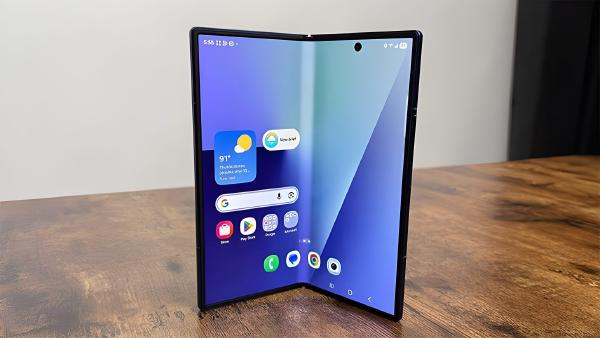
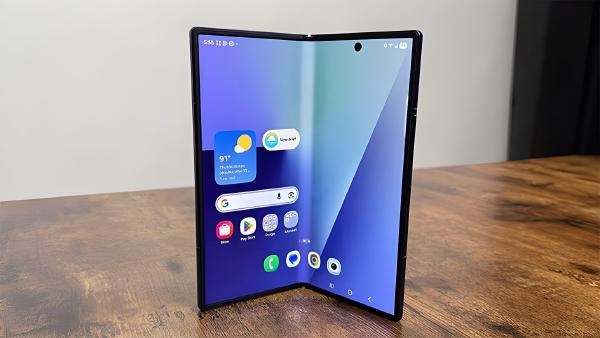
Samsung is gearing up to release the Galaxy Z Fold 8, and early reports point to a notable design upgrade focused on enhancing its visual appeal. As first reported by Wccftech, the smartphone will feature a significantly smaller punch-hole cutout for the front camera, a change that aims to elevate the overall aesthetics of the device.
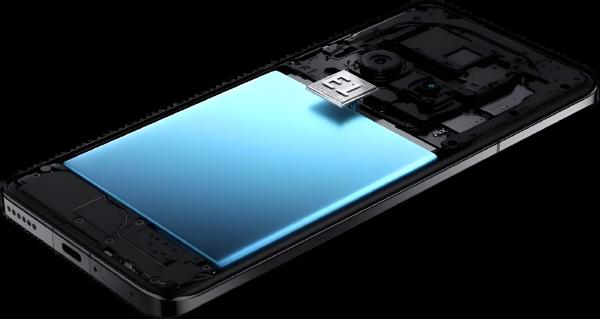
As first reported by Wccftech, Samsung is poised to integrate silicon-carbon (Si/C) battery technology in its upcoming Galaxy S27. This shift could mark a significant upgrade in smartphone battery performance, moving beyond the 5,000mAh capacity that has become standard for the tech giant.
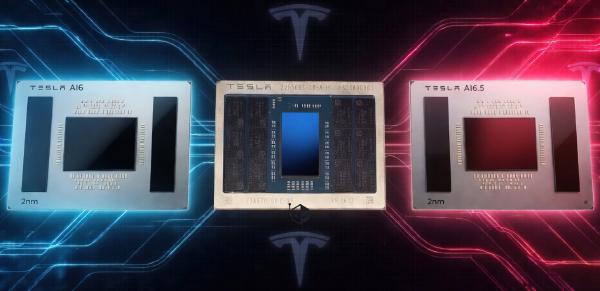
In a significant move for its artificial intelligence ambitions, Tesla has announced plans to produce its next-generation AI chips on American soil. As first reported by Wccftech, the tech giant is splitting the production of two chips, AI6 and AI6.5, between Samsung and TSMC facilities in Texas and Arizona, respectively. This decision reflects not only a shift in Tesla’s production strategy but also a commitment to bolstering domestic semiconductor capabilities.
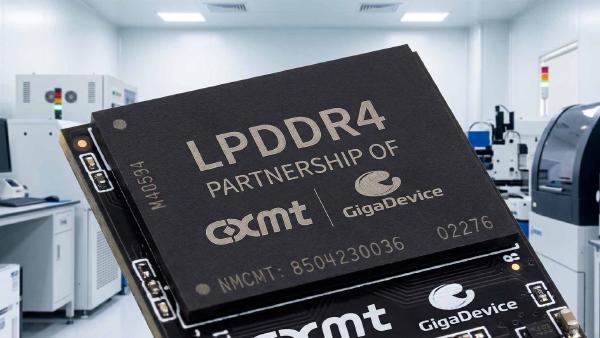
The landscape of the global DRAM market is shifting, as Chinese manufacturers are seizing an opportunity left by Samsung’s recent exit from the LPDDR4 and LPDDR4X business. As first reported by Wccftech, CXMT, a rising player in the DRAM arena, is ramping up production in collaboration with fellow Chinese firm GigaDevice. This partnership aims to fill the gap left by Samsung, which has left many of its customers reeling from the abrupt change.
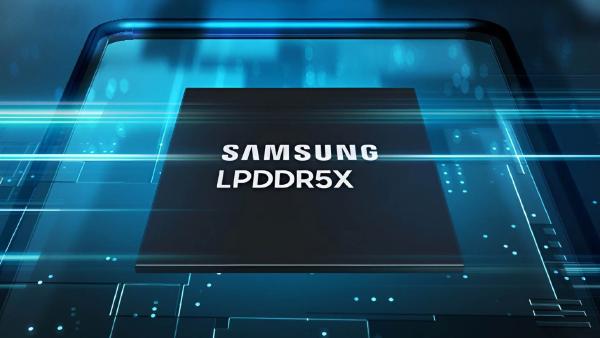
In a significant shift within the memory chip market, Samsung has reportedly decided to stop production of its older-generation LPDDR4 and LPDDR4X chips. This move seems aimed at prioritizing the more profitable LPDDR5 and LPDDR5X RAM options. As first reported by Wccftech, this transition may leave many clients scrambling for alternatives, potentially leading to increased costs.
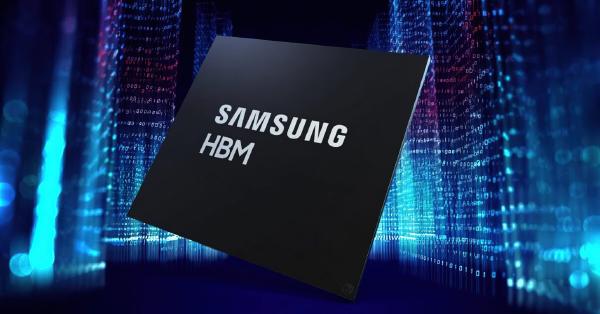
Samsung Electronics is set to significantly revise its approach to high-bandwidth memory (HBM) development, reducing the cycle from two years to just one. This shift is primarily driven by the increasing demand for memory solutions in the artificial intelligence (AI) sector, as first reported by Wccftech. The company aims to align its production capabilities with the rapid advancements in AI technology and the expanding applications that require robust memory solutions.
Unionized workers at Samsung are preparing for an extended 18-day strike, a significant escalation following last year’s historic labor protest, which marked the first strike by Samsung employees in 50 years. The situation stems from a growing frustration among employees regarding their compensation in light of the company’s substantial profits. As first reported by Wccftech, the union is demanding bonuses amounting to 15 percent of Samsung’s annual operating profit, which equates to roughly $30 billion.
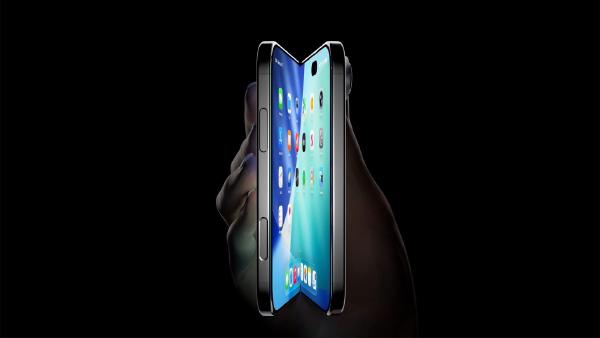
In a bold move that could significantly alter the foldable smartphone market, Apple is set to launch its highly anticipated iPhone Fold later this year, as first reported by Wccftech. With an initial stock of 11 million units, the tech giant is poised to make a substantial impact on the North American market, where companies like Samsung, Motorola, and Google have enjoyed limited success.
Samsung’s memory division has achieved a remarkable milestone, surpassing the profitability of industry giants such as Amazon, Meta, and Microsoft. As reported by Wccftech, the company’s DRAM business generated an impressive $37 billion in revenue during the first quarter of this year. This surge in profitability highlights the substantial demand for memory solutions driven by the rapid expansion of artificial intelligence applications.
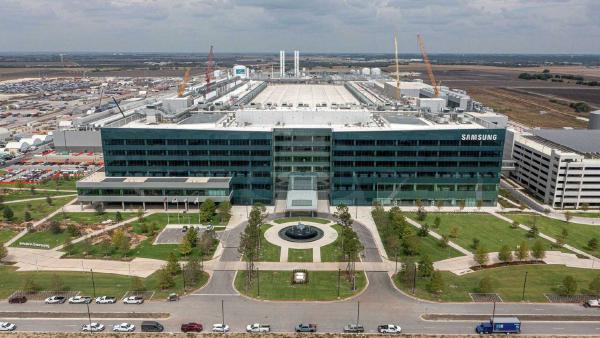
Samsung is making significant strides in semiconductor manufacturing, as the company commences trial production of 2nm chips at its Taylor plant in Texas. This development positions Samsung ahead of TSMC, which has opted not to mass-produce 2nm chips in the United States, as first reported by Wccftech.
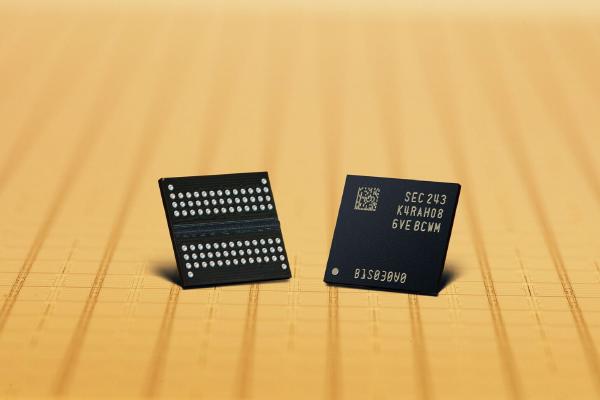
In a surprising move, Samsung has announced a significant price increase for its DRAM memory products, raising prices by an average of 30 percent for the second quarter of 2026. This decision comes in the wake of a tumultuous period in the memory market, as first reported by Wccftech.
Samsung is making strides toward the open-source RISC-V architecture, marking a significant shift in its approach to hardware design. As first reported by Wccftech, the tech giant is developing a custom SSD controller chip that will be featured in its upcoming BM9K1 SSD lineup, which is designed entirely in-house. This effort signals Samsung’s intent to diversify its technology portfolio beyond the traditionally dominant ARM architecture.
A new benchmark leak has reportedly raised concerns over the anticipated performance of Samsung’s upcoming Galaxy S26 FE. As first reported by Wccftech, the data suggests that this mid-range device might be up to 33 percent slower than its flagship counterpart, the Exynos 2600-powered Galaxy S26.
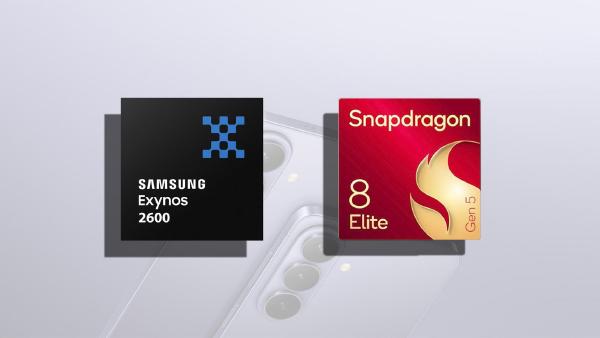
Recent battery drain tests have brought to light significant discrepancies between the Galaxy S26 models powered by Samsung’s Exynos 2600 and Qualcomm’s Snapdragon 8 Elite Gen 5 processors. As first reported by Wccftech, the results show that the Snapdragon variant outperforms its Exynos counterpart by a staggering 2 hours and 38 minutes under similar conditions.
Speculation surrounding the upcoming Samsung Galaxy Z Fold 8 suggests that the device may represent only a modest update compared to its predecessor, the Z Fold 7. As first reported by Wccftech, CAD renders reveal some key design aspects that indicate users shouldn’t expect dramatic changes.
The ongoing memory supply crisis is taking a new turn, as major technology companies are increasingly opting for multi-year contracts with DRAM suppliers. This shift, as first reported by Wccftech, indicates that firms like Samsung and Micron are taking proactive measures to secure supply chains amid soaring demand. The implications of these agreements suggest that memory shortages may persist through the end of the decade.
In a significant move for AMD, the company has successfully secured a supply agreement for HBM4 memory from Samsung, as first reported by Wccftech. This achievement comes during a critical time, as the demand for high bandwidth memory continues to soar, especially with the increasing reliance on AI technologies.