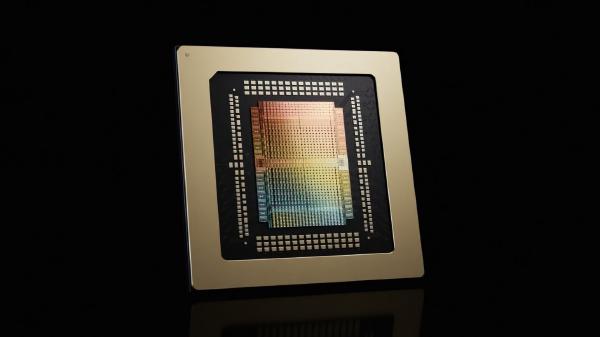
NVIDIA has made it clear that it will not be adopting High-Bandwidth Flash (HBF) memory technology, even as 4TB stack options begin to emerge. Instead, the graphics hardware giant plans to stick with its current High Bandwidth Memory (HBM) solutions. As first reported by Wccftech, this decision comes as the race for advanced memory solutions heats up, driven largely by the surge in artificial intelligence applications.
NVIDIA is making waves in the tech world with its latest announcement regarding the Groq 3 LPX chip, a key development for advancing artificial intelligence inferencing. As first reported by Wccftech, this new chip is expected to enhance AI processing capabilities by an impressive 35 times, potentially changing how developers harness AI technology for various applications.
Nvidia has officially rolled out its new Codex AI tool, powered by the latest GPT-5.5 technology, to approximately 10,000 of its employees. As first reported by PC Gamer, the internal feedback has been overwhelmingly positive, with many describing the tool as “mind-blowing” and “life-changing.”
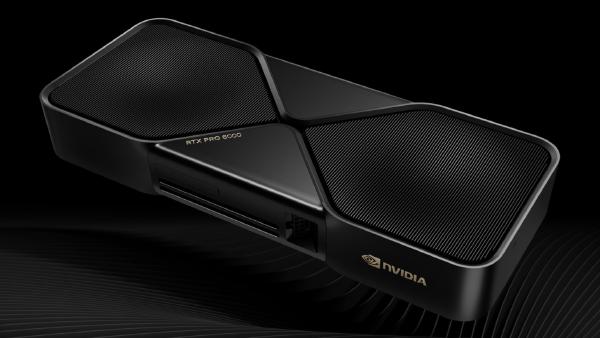
NVIDIA’s latest RTX Pro 6000 Blackwell has made waves in the AI community, showcasing its remarkable capabilities in running large AI models with unprecedented efficiency. Recent benchmarks reveal that a single RTX Pro 6000 can handle a demanding 230 billion parameter AI model while consuming only a quarter of the power required by four RTX 5090 GPUs. This finding highlights the advantages of high-performance single GPUs over traditional multi-GPU setups, especially in AI applications.
Microsoft has made waves in the tech world by accelerating the launch of its Fairwater AI Datacenter. As first reported by Wccftech, the facility, located in Wisconsin, is set to become the most powerful AI datacenter globally, powered by an impressive array of NVIDIA Blackwell GPUs.
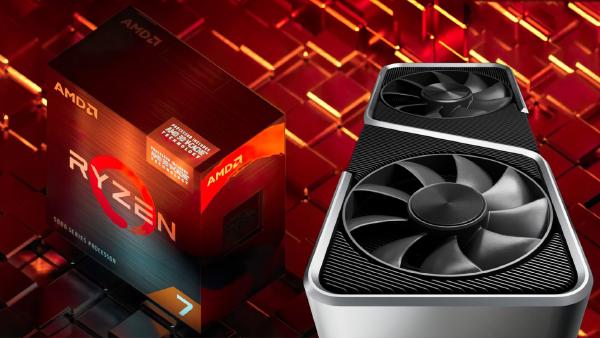
In a move that underscores the ongoing struggles in the PC gaming hardware market, AMD’s Ryzen 5800X3D and NVIDIA’s GeForce RTX 3060 are set to make a return to shelves. This relaunch, as first reported by Wccftech, raises questions about the industry’s current trajectory and the implications for PC gamers looking for modern performance.
In a recent podcast with Dwarkesh Patel, NVIDIA CEO Jensen Huang provided insights into the company’s strategic direction and the broader landscape of AI technology. Huang asserted that even in the absence of artificial intelligence, NVIDIA’s growth trajectory would have remained robust due to its foundational strengths in accelerated computing.
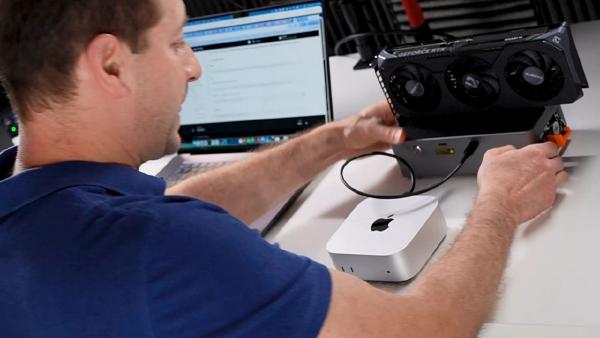
In a move that could change the landscape for creative professionals and developers using Mac systems, Apple has approved an open source driver that allows Nvidia graphics cards to operate on Mac devices. While the implications of this development are significant for users needing powerful graphics performance, gaming enthusiasts will have to wait a bit longer for full support.
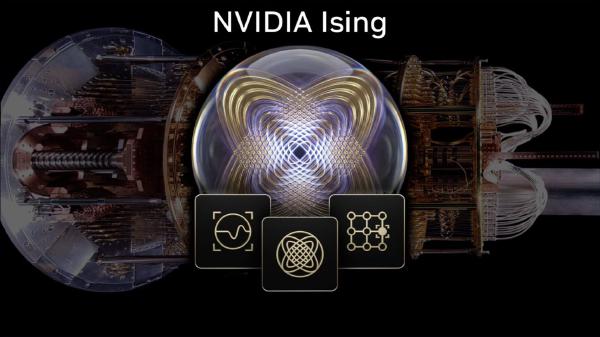
NVIDIA has taken a significant step forward in the realm of quantum computing with the launch of its new Ising AI models, which promise to enhance the practicality and performance of quantum computers. This announcement marks an important moment in a field that has long been touted as the next frontier of computing. As first reported by Wccftech, the Ising models are set to deliver performance boosts of up to three times, potentially making quantum computing more accessible and efficient.
In a significant move to bolster its position in the rapidly evolving AI landscape, Intel has announced a collaboration with SambaNova Systems. This partnership aims to shift the focus toward enhanced AI inference capabilities, highlighting the industry’s growing need for solutions beyond traditional GPU technology. As first reported by Wccftech, this collaboration comes in the wake of NVIDIA’s recent partnership with Groq, which underscored the inadequacy of GPUs alone in tackling the complexities of AI inference.
In an unusual turn of events, an Italian television channel has drawn attention by broadcasting footage of Nvidia’s DLSS 5 reveal trailer, only to subsequently issue a copyright strike against Nvidia’s own YouTube channel. This incident illuminates ongoing debates surrounding intellectual property rights in the gaming and tech sectors, as first reported by PC Gamer.
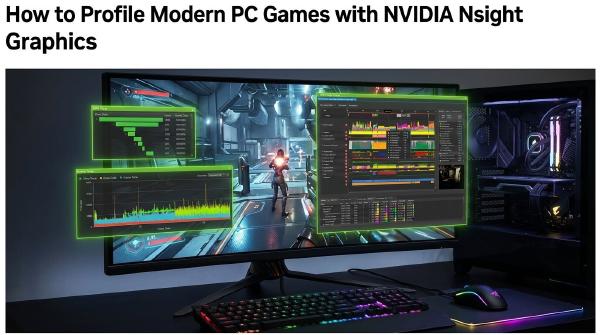
Analyzing the performance of modern PC games has become increasingly intricate due to the advancements in graphic APIs like DirectX 12 and Vulkan. The introduction of features such as asynchronous compute, hardware ray tracing, and machine learning-enhanced denoising means the conventional approach to performance analysis is no longer sufficient. Gamers and developers looking to optimize their experiences now need to leverage more sophisticated tools. One such tool is NVIDIA Nsight Graphics, which provides a deep how a game’s graphical workload is managed by the GPU.
NVIDIA recently highlighted its innovative Neural Texture Compression (NTC) technique during a session at the GTC 2026 conference, demonstrating its potential to significantly reduce the demands on video memory (VRAM) while maintaining or even enhancing visual quality. This announcement is particularly relevant for developers and gamers looking for ways to optimize performance without compromising on graphics fidelity.
NVIDIA is gearing up to release its first exclusive laptop chips, signaling a significant shift in the consumer hardware landscape traditionally ruled by Intel and AMD. As first reported by Wccftech, this move marks NVIDIA’s initial foray into a segment where it has long been absent, and the implications could be profound for consumers seeking new options in laptop performance.
TSMC’s 3nm chip production has hit a critical bottleneck, greatly affecting various sectors in the AI race. As first reported by Wccftech, only long-term and loyal clients are currently receiving priority access to these highly sought-after chips. This situation highlights the intense demand for cutting-edge technology, particularly from industry heavyweights such as Apple and NVIDIA.
NVIDIA’s recent announcement regarding DLSS 5, showcased at the GTC 2026 event, has generated considerable buzz in , particularly for its potential to elevate graphics performance across various titles. As first reported by Wccftech, recent discussions suggest that this iteration of Deep Learning Super Sampling could feature a driver-level toggle, allowing gamers to activate or deactivate the technology with ease.
NVIDIA has rolled out its latest GeForce Game Ready driver, version 595.97, which introduces support for several anticipated gaming titles, notably Forza Horizon 6 and Alan Wake Remastered. As first reported by Wccftech, this update is particularly significant for players eager to experience the enhanced graphics capabilities that come with the latest Deep Learning Super Sampling (DLSS) technology.
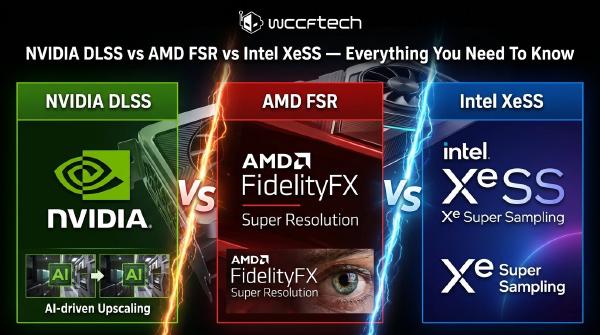
The ongoing quest for higher visual fidelity in gaming comes with its challenges, especially regarding performance. As reported by Wccftech, GPU manufacturers NVIDIA, AMD, and Intel have rolled out advanced technologies designed to tackle these challenges effectively. At the heart of this evolution are three key technologies: NVIDIA’s Deep Learning Super Sampling (DLSS), AMD’s FidelityFX Super Resolution (FSR), and Intel’s Xe Super Sampling (XeSS). These solutions not only enhance performance but also elevate the overall graphics experience through innovative upscaling and denoising techniques.
In a significant move for AMD, the company has successfully secured a supply agreement for HBM4 memory from Samsung, as first reported by Wccftech. This achievement comes during a critical time, as the demand for high bandwidth memory continues to soar, especially with the increasing reliance on AI technologies.
Nvidia’s recent unveiling of DLSS 5 has sparked significant debate among gamers and developers alike, with many expressing concerns over the potential impact on game aesthetics. During a Q&A session at the GPU Technology Conference (GTC) 2026, CEO Jensen Huang took the opportunity to address this backlash directly. As first reported by IGN, Huang’s response to the criticism was straightforward, asserting, “first of all, they’re completely wrong.”