Recent developments suggest that a new era in handheld gaming PCs might be on the horizon with Intel’s Panther Lake processors. As first reported by PC Gamer, these upcoming chips could significantly enhance the performance of portable gaming devices, provided they can navigate the challenges posed by skyrocketing RAM prices.
Intel is making significant adjustments to its desktop gaming roadmap as it seeks to narrow the performance gap with AMD’s X3D processors. The company aims to enhance both hardware and software technologies over the next five years, a move that signals its commitment to revitalizing its position in the competitive gaming landscape. As first reported by Wccftech, Robert Hallock from Intel’s client CPU team outlined these ambitious plans during an interview with PCGameshardware.
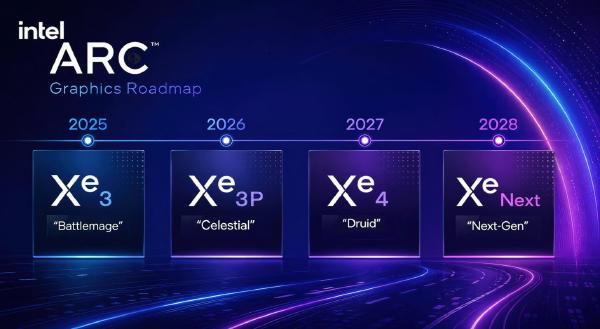
In a significant shift in its GPU strategy, Intel has decided to cancel its Xe3P “Celestial” discrete gaming GPU line, which has been eagerly anticipated by PC gamers and enthusiasts alike. As first reported by Wccftech, Intel is refocusing its efforts on future architectures, with plans to introduce the Xe4 “Druid” in 2027, followed by a next-generation Xe architecture in 2028.
Intel has officially postponed the release of its highly anticipated Diamond Rapids Xeon processors to 2027. Initially slated for launch this year, the delay can be attributed to various factors including yield issues and the cancellation of the 8-channel memory line. As first reported by Wccftech, the Diamond Rapids lineup will now arrive mid-2027, featuring a staggering maximum of 512 cores aimed at enhancing performance for server and data center applications.
The recent launch of Apple’s MacBook Neo is more than just an introduction of a new device; it represents a strategic push to encourage users to upgrade their hardware. Starting at a competitive price of $599, the MacBook Neo is positioned to attract a broad range of consumers. However, its appeal is further enhanced by a forthcoming decision from Apple that is likely to reshape the landscape for Mac users.
Rumors are swirling around Intel’s next-generation Nova Lake-S CPUs, which may reportedly feature cache configurations that could put them ahead of AMD’s Ryzen 9 9950X3D2. As first reported by Wccftech, insiders suggest that Intel’s upcoming processors could support cache sizes of up to 288 MB, a figure that allegedly represents an increase of 80 MB compared to AMD’s current flagship.
Intel’s Foundry division is gearing up to welcome significant clients, as the company’s 14A technology gains traction in the semiconductor market. As first reported by Wccftech, Intel’s 14A process is not just a technological advancement, but a strategic pivot aimed at attracting external customers rather than focusing solely on internal projects. This approach positions Intel to potentially secure partnerships with some heavyweight names in the industry before the end of the year.
In a recent discussion, Elon Musk emphasized the necessity of the Terafab project to meet the insatiable chip demand from his various enterprises, including Tesla and SpaceX. This announcement underscores the ongoing partnership between Musk and Taiwan Semiconductor Manufacturing Company (TSMC), while also highlighting the limitations of the foundry’s capabilities. As first reported by Wccftech, Musk stated that if TSMC could adequately fulfill his chip requirements, the Terafab initiative may never have been conceived.
Intel is making strategic shifts in its desktop CPU ecosystem to enhance longevity and compatibility, as first reported by Wccftech. The company aims to align its CPU socket strategy with that of its competitor, AMD, offering users a more extended support experience across multiple generations of processors.
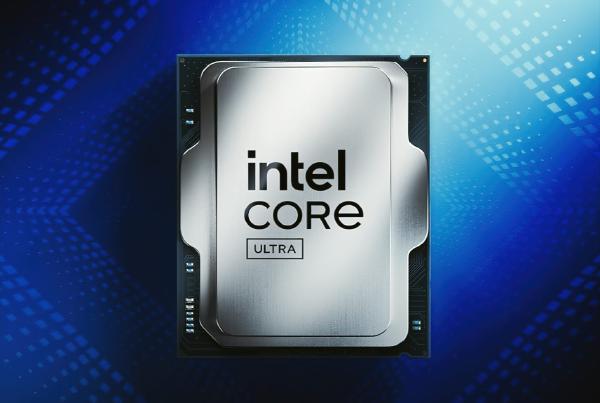
Recent leaks have provided a glimpse into what could be a substantial upgrade for Intel’s desktop CPU lineup with the Nova Lake “Core Ultra Series 4.” As first reported by Wccftech, sources claim that this new family of processors will introduce a fresh architecture, a new platform, and a variety of configurations, potentially marking a significant step forward for the chipmaker.
Intel’s latest release, the Core Ultra 250K Plus, has garnered attention for its impressive performance, particularly in comparison to the Steam Deck. As first reported by Wccftech, benchmarks reveal that this CPU can handle gaming at 1080p, albeit on low settings, thanks to its integrated 4 Xe core graphics.
Intel is gearing up for a significant push into the desktop CPU market with its upcoming Nova Lake line, reportedly incorporating a powerful integrated graphics solution. As first reported by Wccftech, this move aims to counter AMD’s stronghold with its Ryzen APUs, which have garnered a loyal following thanks to their impressive performance.
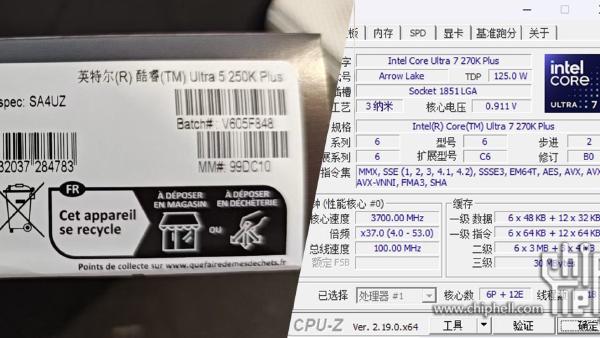
In a peculiar case of hardware misidentification, a user reported that their newly acquired Intel Core Ultra 5 250K Plus was detected as the more powerful Core Ultra 7 270K Plus across multiple platforms. This odd situation unfolded after the user switched motherboards from Colorful to GIGABYTE, as first reported by Wccftech.
In a significant move to bolster its position in the rapidly evolving AI landscape, Intel has announced a collaboration with SambaNova Systems. This partnership aims to shift the focus toward enhanced AI inference capabilities, highlighting the industry’s growing need for solutions beyond traditional GPU technology. As first reported by Wccftech, this collaboration comes in the wake of NVIDIA’s recent partnership with Groq, which underscored the inadequacy of GPUs alone in tackling the complexities of AI inference.
Intel has announced its intention to maintain a strong focus on its Raptor Lake CPU lineup, emphasizing its significance in the current landscape of rising PC building costs. As first reported by Wccftech, this decision underscores the company’s strategy to navigate the ongoing challenges in the DRAM and component markets.
Rumors about Intel’s forthcoming Nova Lake CPUs are making the rounds, particularly regarding their potential performance metrics compared to AMD’s Zen 6 architecture. As first reported by Wccftech, sources indicate that Intel’s Coyote Cove P-Core architecture might deliver higher instructions per clock (IPC) than its AMD counterpart while possibly sacrificing clock speeds.
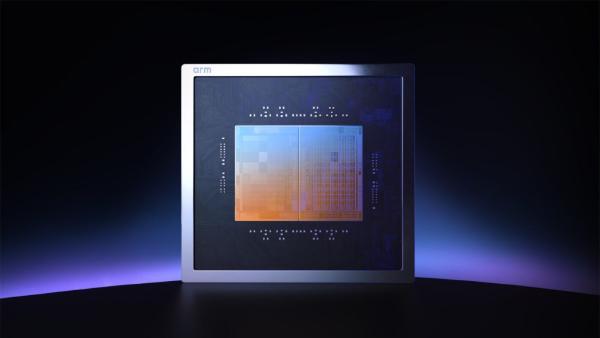
ARM recently unveiled its latest AGI CPU, a move that CEO Rene Haas claims positions the platform to challenge the x86 market share. However, Intel executives have expressed skepticism about the processor’s potential, suggesting that ARM’s assertions of superiority may not reflect any significant advancements. As first reported by Wccftech, Intel’s Data Center Executive has implied that the marketing surrounding ARM’s AGI CPU lacks substance, viewing it as more of a promotional strategy than a genuine leap forward in technology.
Intel is reportedly set to make significant architectural changes in its upcoming Core 300 series laptop processors, most notably by eliminating standard efficiency cores (E-cores). This shift marks a departure from the hybrid architecture that has defined Intel’s recent chip designs and is expected to influence performance dynamics across various mobile computing applications. The details of this change were first highlighted by PC Gamer.
The ASRock B860 Challenger WIFI White motherboard is making waves for budget-conscious gamers and PC builders looking to harness the power of Intel’s latest 200S Plus CPU series. Launched as part of Intel’s new 800-series chipset lineup, this motherboard promises compatibility and features that cater to both performance and affordability.
Intel’s latest P-Core-only Bartlett Lake Core 9 273PQE has made waves in the PC enthusiast community, particularly for its compatibility with mainstream motherboards. A skilled user has managed to run this cutting-edge CPU on a consumer-grade Z790 motherboard, showcasing the flexibility of BIOS tweaks in the ever-evolving world of PC hardware, as first reported by Wccftech.