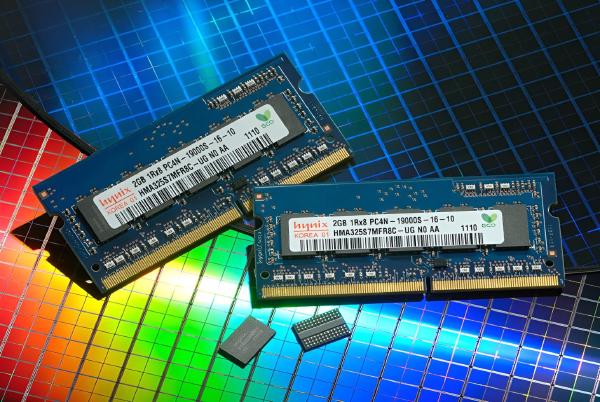
A looming strike at Samsung Electronics has raised significant concerns in the semiconductor sector, particularly regarding the supply of DRAM (Dynamic Random Access Memory). As first reported by Wccftech, unionized workers are demanding a substantial bonus tied to the company’s annual operating profit, creating a situation that could disrupt global memory markets.
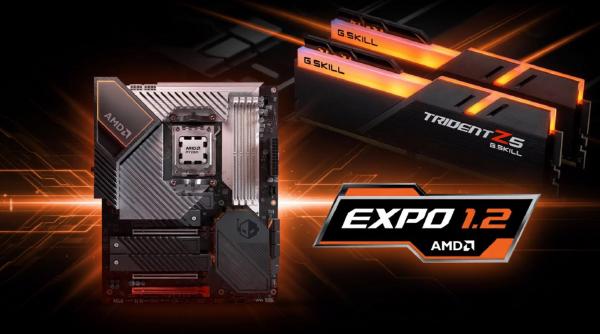
AMD is reportedly set to launch its EXPO 1.2 technology soon, which is expected to include several new features, notably support for Chinese DDR5 memory manufacturers. This move appears to be a strategic response to persistent DRAM shortages and rising prices in the memory market. The information regarding these enhancements stems from sources familiar with the situation, including leaker chi11eddog and 1usmus, known for creating tools like HYDRA and the DRAM calculator for Ryzen.
The tech world is bracing for prolonged supply issues as DRAM manufacturers project they will only meet 60 percent of global demand through 2027. As first reported by Wccftech, this stark reality marks a troubling forecast for gamers and tech enthusiasts alike, as the ongoing shortages are expected to drive prices up and limit availability for various devices.
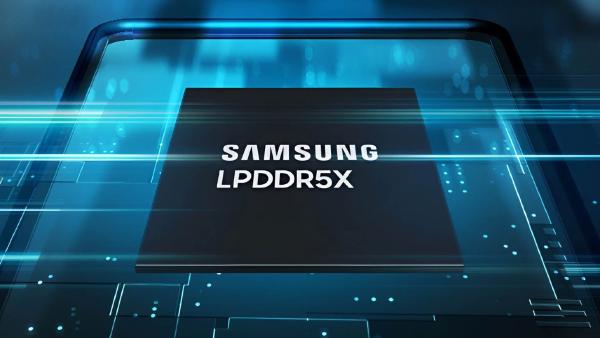
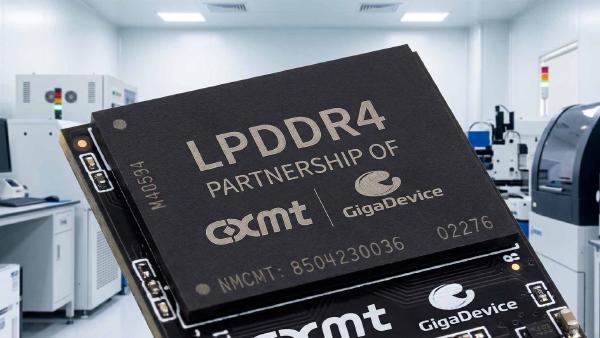
The landscape of the global DRAM market is shifting, as Chinese manufacturers are seizing an opportunity left by Samsung’s recent exit from the LPDDR4 and LPDDR4X business. As first reported by Wccftech, CXMT, a rising player in the DRAM arena, is ramping up production in collaboration with fellow Chinese firm GigaDevice. This partnership aims to fill the gap left by Samsung, which has left many of its customers reeling from the abrupt change.
Samsung Electronics is set to significantly revise its approach to high-bandwidth memory (HBM) development, reducing the cycle from two years to just one. This shift is primarily driven by the increasing demand for memory solutions in the artificial intelligence (AI) sector, as first reported by Wccftech. The company aims to align its production capabilities with the rapid advancements in AI technology and the expanding applications that require robust memory solutions.
Samsung’s memory division has achieved a remarkable milestone, surpassing the profitability of industry giants such as Amazon, Meta, and Microsoft. As reported by Wccftech, the company’s DRAM business generated an impressive $37 billion in revenue during the first quarter of this year. This surge in profitability highlights the substantial demand for memory solutions driven by the rapid expansion of artificial intelligence applications.
In a surprising move, Samsung has announced a significant price increase for its DRAM memory products, raising prices by an average of 30 percent for the second quarter of 2026. This decision comes in the wake of a tumultuous period in the memory market, as first reported by Wccftech.
Recent developments in the memory market indicate that major companies in the artificial intelligence sector, commonly referred to as hyperscalers, are increasingly entering into long-term contracts with memory suppliers. This strategy aims to ensure a reliable and consistent supply of DRAM, even amid concerns about a downturn in the memory industry. As first reported by Wccftech, this shift suggests a complex dynamic where hyperscalers are willing to take significant risks to secure necessary resources for their operations.
The ongoing memory supply crisis is taking a new turn, as major technology companies are increasingly opting for multi-year contracts with DRAM suppliers. This shift, as first reported by Wccftech, indicates that firms like Samsung and Micron are taking proactive measures to secure supply chains amid soaring demand. The implications of these agreements suggest that memory shortages may persist through the end of the decade.