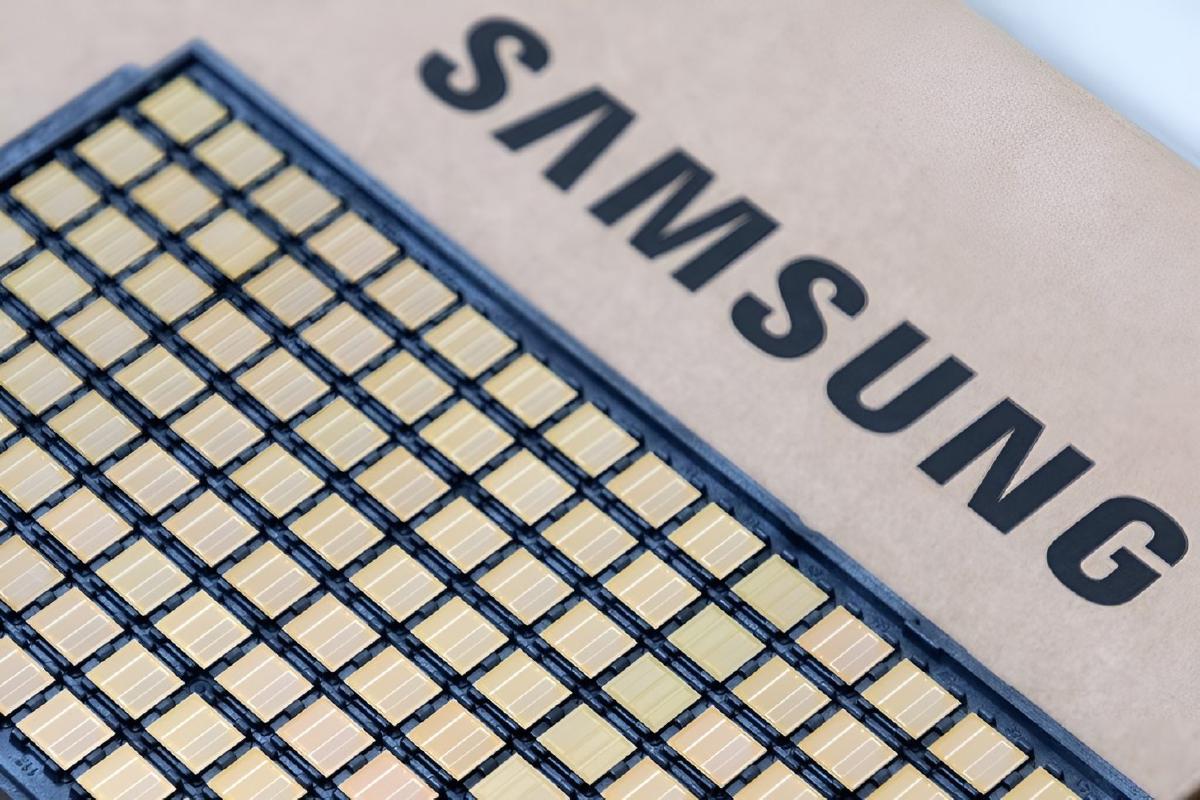
Recent reports suggest that Samsung’s HBM4 memory has achieved a significant yield rate of approximately 80%, a development that could enhance its competitive position in the burgeoning AI DRAM market. As first reported by Wccftech, this progress comes after Samsung faced considerable challenges in the high-bandwidth memory (HBM) segment, particularly in trying to keep pace with industry leaders like SK Hynix and Micron.
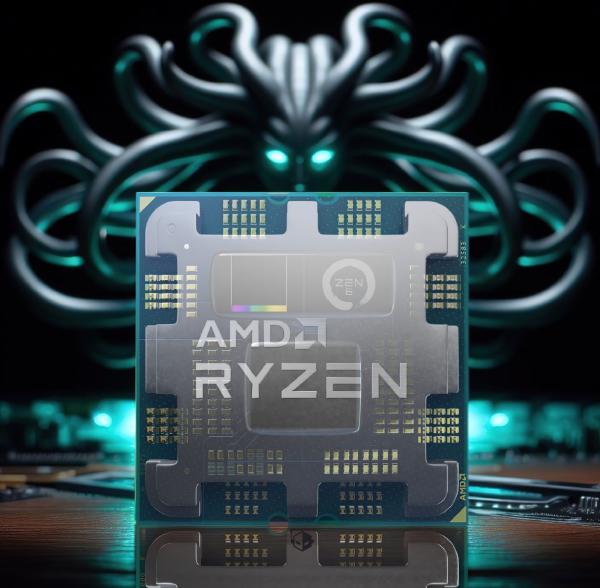
Sources indicate that Samsung has been working diligently to validate and produce its HBM memory across multiple generations and partnerships. This milestone may indicate that the company’s efforts are finally beginning to pay off, potentially allowing it to carve out a more substantial share in the AI DRAM space. The HBM4 memory, if these reports are accurate, is expected to power AMD’s MI400 chips, showcasing the advantages of the new technology.
Samsung’s struggle in the HBM sector highlights the intense competition in the memory market. Historically, the company has faced hurdles in matching the performance and yield of its competitors. However, the reported achievement of an 80% yield may signal a turning point in Samsung’s HBM production capabilities, providing a much-needed boost to its confidence and market strategy.
The AI DRAM market has been rapidly evolving, with SK Hynix currently holding a commanding position. The demand for high-performance memory solutions is growing, driven by advancements in artificial intelligence and machine learning. Samsung’s recent progress could shift the dynamics of this sector, but how effectively they can leverage this momentum against established competitors.
If these reports prove to be true, Samsung’s advancements could not only support AMD’s upcoming chips but also enhance the overall landscape of AI-driven applications that rely on high-bandwidth memory. As the tech industry continues to push for greater efficiency and speed in data processing, Samsung’s developments in HBM4 may play a crucial role in future innovations.
It is important to note that these claims about Samsung’s HBM4 memory are not yet confirmed, and the situation may change as more information becomes available. For now, the industry watches closely as Samsung attempts to make its mark in a field dominated by established players.
With a reputation for innovation in memory technology, Samsung has consistently sought to push the boundaries of what is possible in the semiconductor industry. Should these reports hold true, the company might be on the cusp of a breakthrough that could reshape its future in the competitive landscape of AI DRAM.
Image credit: Wccftech
This article was generated with AI assistance and reviewed for accuracy.