Samsung appears to be ramping up its efforts in semiconductor technology, as new reports suggest the company has plans for three future generations of its Exynos chipsets. This initiative is reportedly driven by a desire to lessen its reliance on Qualcomm, a major competitor in the mobile processor market. The leaks, first reported by Wccftech, hint at a strategic shift for Samsung as it aims to assert more independence in the increasingly competitive landscape of smartphone chip manufacturing.
The upcoming Exynos 2600 has been described as a mere preview of what Samsung has in store. Sources indicate that the company is not just looking to improve upon existing technology, but rather to innovate significantly with its next offerings. Each successive generation of Exynos chipsets is said to be more advanced and feature-rich, potentially allowing Samsung to carve out a distinct identity separate from Qualcomm’s extensive reach.
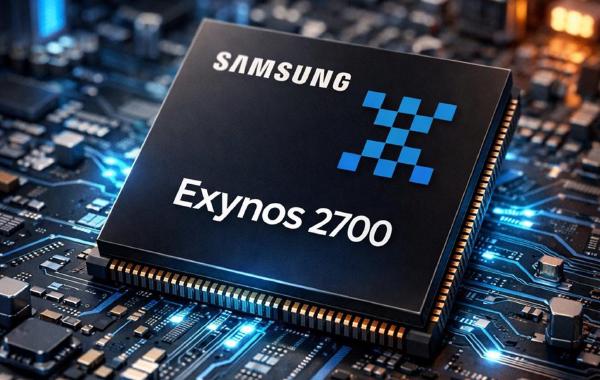
According to the leaks, the Exynos 2700 is already in the pipeline and is expected to be unveiled sometime in late 2026 or early 2027. This timeline suggests that Samsung is not only committed to releasing new products but is also keen on keeping pace with rapidly evolving technology in mobile devices. While the specific features of the Exynos 2700 and the subsequent two chipsets remain undisclosed, it can be speculated that they will include enhancements aimed at integrating more advanced AI capabilities, improved energy efficiency, and better performance for gaming and multitasking.
While these developments are exciting, they should be approached with caution. The details surrounding these chipset advancements are, as of now, unconfirmed. Until Samsung officially announces these products, they should be viewed as speculative information subject to change. The tech industry is known for its rapid shifts and surprises, and Samsung has not shied away from revising its strategies in the past.
If these reports hold true, Samsung’s commitment to developing its own chipsets may reshape its business model and potentially elevate its standing in the market. As the competition heats up between various mobile manufacturers, the ability to produce proprietary technology might give Samsung an edge, improving both performance and pricing for its devices.
This move also aligns with broader industry trends, where companies like Apple have successfully developed their own silicon to optimize the integration and performance of their devices. For Samsung, this could mean a new era of innovation and self-sufficiency in their mobile portfolio.
In the context of the smartphone industry, the implications of Samsung’s rumored chipset plans are significant. With the company’s history of excellence in hardware and software integration, an entirely new line of Exynos processors may mean that Samsung devices could become even more competitive against rivals that rely heavily on third-party chipsets.
For now, however, we await further confirmation from Samsung regarding their plans for the Exynos series. As rumors swirl and speculation mounts, the ever-evolving landscape of mobile processors continues to be a focal point for both manufacturers and consumers alike.
Samsung is a leading global technology company known for its diverse range of products, including smartphones, tablets, and consumer electronics. The Exynos line of processors has been a key component in many of its devices, and this rumored shift could mark a pivotal moment in the company’s strategy moving forward.
Image credit: Wccftech
This article was generated with AI assistance and reviewed for accuracy.