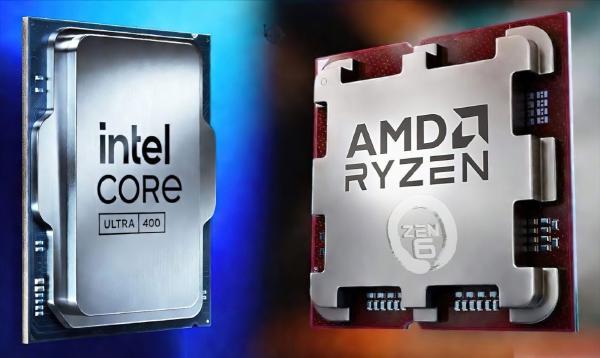
AMD’s upcoming Medusa Point “Zen 6” CPUs appear to be generating some buzz, with early benchmark results indicating they could offer substantial performance enhancements over the current Zen 5 line. As first reported by Wccftech, an engineering sample of the 10-core Medusa Point CPU has reportedly posted impressive scores in Geekbench tests, achieving 3,329 points in single-core and 16,555 points in multi-core configurations while operating at a notable clock speed of 5.4 GHz.
This performance leap suggests that AMD might have set its sights higher than previously anticipated. The benchmark results show nearly a 35 percent improvement over the Strix Point 10-core Zen 5 CPUs, which may shake up the competitive landscape for processors aimed at gaming and high-performance computing.
Sources claim that these benchmarks are part of AMD’s ongoing development efforts, as the company looks to maintain its competitive edge in the CPU market. With Intel’s continued advancements, AMD’s strategy reportedly focuses on delivering significant gains in performance, particularly for multi-threaded workloads that are increasingly relevant for both gamers and professionals alike.
The latest leaks have not only fueled speculation about AMD’s technological innovations but also raised questions about the timing of the Medusa Point series’ release. Industry analysts suggest that if these benchmarks are accurate, we might see AMD unveiling these CPUs sooner than expected, possibly aiming for a launch that aligns with major gaming events or tech expos.
While the exact specifications and features of the Medusa Point CPUs remain under wraps, early reports indicate that they could leverage architectural improvements and enhanced power efficiency, which would be in line with AMD’s trend of pushing boundaries with each new generation. However, until AMD officially confirms these details, all information should be taken with a grain of caution.
As with any rumor, it is essential to approach these findings with skepticism until verified by AMD or through official channels. The gaming and tech communities are known for their excitement surrounding hardware announcements, and as we anticipate further details, the potential for innovation keeps many on the edge of their seats.
AMD, known for its Ryzen and EPYC processors, has a history of delivering strong performance in both consumer and enterprise segments. If these rumors hold true, the Medusa Point series could solidify the company’s position as a leader in next-generation CPU technology.
This news remains unconfirmed, and we encourage readers to stay updated for official announcements from AMD regarding the Medusa Point CPUs and their potential impact on the market.
Image credit: Wccftech
This article was generated with AI assistance and reviewed for accuracy.