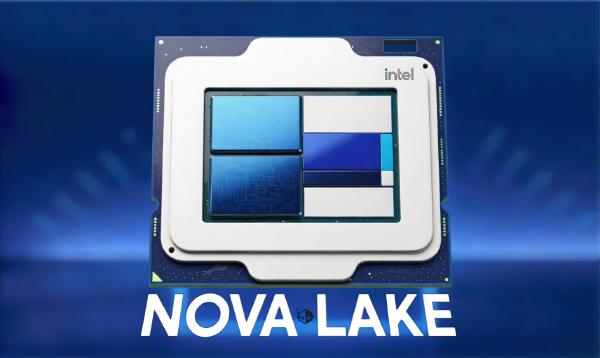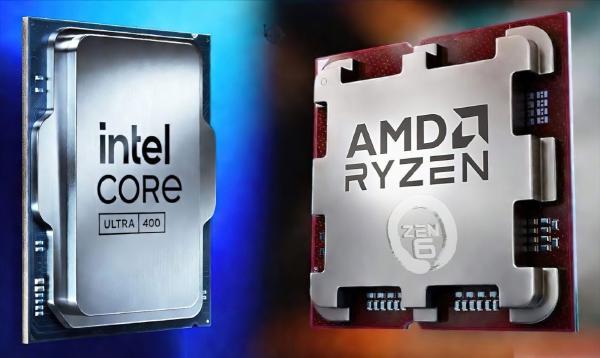
Rumors are swirling around Intel’s next-generation Nova Lake-S CPUs, which may reportedly feature cache configurations that could put them ahead of AMD’s Ryzen 9 9950X3D2. As first reported by Wccftech, insiders suggest that Intel’s upcoming processors could support cache sizes of up to 288 MB, a figure that allegedly represents an increase of 80 MB compared to AMD’s current flagship.
Sources claim that the Nova Lake-S series will come in two configurations for its Big Last Level Cache (bLLC) die variants: a single tile configuration with 144 MB of cache and a dual tile setup boasting the full 288 MB. If accurate, this substantial cache boost could enhance performance for tasks that rely heavily on memory access, such as gaming and content creation.
The rumored performance advantage may position Intel to compete more effectively against AMD, which has held a strong market presence with its Ryzen X3D series. The Ryzen 9 9950X3D2, which already has a solid reputation for high performance, will now face a potentially formidable counterpart in Intel’s Nova Lake lineup.
While the details surrounding the bLLC cache configurations are enticing, it is essential to approach this information with caution. These reports are based on unofficial sources and have yet to be confirmed by Intel. As the tech industry eagerly anticipates these advancements, the potential for significant performance gains keeps discussions lively among enthusiasts and industry experts alike.
Intel has made strides in recent years to regain ground lost to AMD, particularly in the CPU market. The introduction of the Nova Lake architecture appears to be part of a broader strategy to enhance their competitive edge substantially. Should the rumors hold true, consumers may see a compelling reason to consider Intel’s offerings in their next hardware upgrades.
With the anticipated launch of these CPUs, speculation continues about how they will perform in various benchmarks and real-world applications. The gaming sector, which often relies on high cache sizes for optimal performance, will undoubtedly be a focal point for testing once these processors hit the market.
For now, the details surrounding Intel’s Nova Lake CPUs remain speculative, underscoring the importance of waiting for official announcements before drawing any conclusions. As we await confirmation, the landscape of CPU technology is poised for an interesting shift, particularly with the ongoing rivalry between Intel and AMD.
Intel Corporation, founded in 1968, is a leader in semiconductor manufacturing and has been at the forefront of PC hardware development for decades. The upcoming Nova Lake architecture is part of its continued evolution in producing innovative technology solutions.
Image credit: Wccftech
This article was generated with AI assistance and reviewed for accuracy.