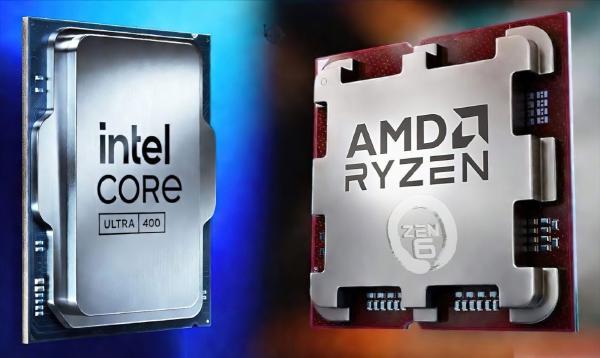
Recent rumors indicate that Intel will utilize TSMC’s advanced 2nm N2X fabrication process for its upcoming Razor Lake processors, which could significantly impact AMD’s manufacturing capabilities. As first reported by Wccftech, this development would potentially place AMD at a disadvantage in securing access to TSMC’s already limited fabrication capacity.
According to various sources, both Razor Lake and the earlier Nova Lake processors are expected to leverage TSMC’s cutting-edge manufacturing technology. This move could tighten the already competitive landscape, making it increasingly challenging for AMD to obtain additional fabrication resources. If accurate, this situation could hinder AMD’s plans for future products, particularly as TSMC’s fabs face growing demand from multiple industry players.
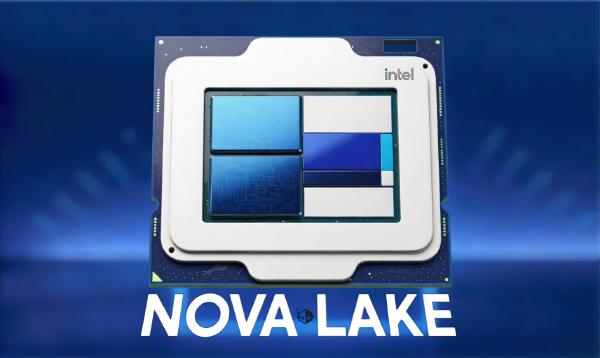
Intel is reportedly on track to initiate mass production of its Nova Lake chips around January 2027. The adoption of TSMC’s 2nm process is a strategic decision that aligns with Intel’s ambitions to enhance its performance metrics, potentially leaving AMD scrambling for viable alternatives. Observers suggest that this could create a significant bottleneck in the production pipeline for AMD, which has already been navigating tight constraints in the semiconductor supply chain.
Industry insiders express concern that the competitive dynamics in the chip manufacturing space may intensify, particularly if Intel secures a larger share of TSMC’s capacity. The landscape of CPU manufacturing has shifted considerably over the past few years, with both companies striving to establish themselves as leaders in advanced technology. However, if these rumors hold true, Intel’s advantages could pose a substantial challenge for AMD, particularly in the race for next-generation processors.
As the battle for market dominance continues, AMD’s reliance on TSMC could become increasingly precarious. With the semiconductor industry facing ongoing supply chain issues, the potential revelation of Intel’s strategy may further complicate AMD’s ability to launch new products on schedule.
The implications of these developments extend beyond mere competition. A constrained manufacturing capacity at TSMC could ripple throughout the tech ecosystem, affecting everything from graphics processing units (GPUs) to gaming consoles. As both companies prepare for their respective launches, the stakes are high, and the strategic moves made now will likely shape the landscape for years to come.
While the validity of these leaks remains unconfirmed, the prospect of Intel’s Razor Lake processors utilizing TSMC’s 2nm technology has certainly sparked interest among tech enthusiasts and industry analysts alike. As the situation develops, stakeholders will be closely monitoring the decisions made by both Intel and AMD.
Intel Corporation is known for its leadership in semiconductor innovation and has been a key player in the CPU market for decades. AMD, on the other hand, has risen to prominence in recent years, particularly with its Ryzen and EPYC processor lines, capturing significant market share and challenging Intel’s long-standing dominance. As they navigate this evolving landscape, the rivalry between these two giants is set to intensify.
Disclaimer: This article is based on unconfirmed sources and should be taken as speculation until official announcements are made.
Image credit: Wccftech
This article was generated with AI assistance and reviewed for accuracy.