Recent speculation regarding Intel’s involvement in producing the A20 chip for Apple’s upcoming iPhone 18 has reportedly been undermined by reputable sources. Just hours after the initial rumor surfaced, a well-known leaker dismissed the claims, labeling the original source as unreliable. This swift turnaround has raised questions about the validity of the initial information, which had been shared by a Weibo user known as Fixed-focus digital cameras.
According to the original post, the standard iPhone 18 was set to utilize Intel’s manufacturing capabilities for its new A20 chip. However, in a nearly immediate response, the credibility of these claims was called into question. A more trusted industry insider referred to the Weibo source as a “well-known blowhard,” suggesting that their assertions lack substantial backing. This dramatic dismissal has reportedly diminished any expectations that Intel would contribute to the production of Apple’s next-generation chip.
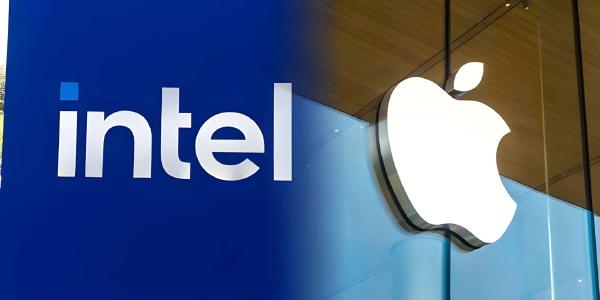
The implications of this development are notable, especially given the longstanding competition between Apple and Intel in the tech space. If accurate, this situation reflects the ongoing complexities and rivalries present in the semiconductor industry. Apple has historically relied on other manufacturers, such as TSMC, for its chip production, and the idea that Intel might have gained a foothold in this realm was intriguing. However, this latest information appears to quash those prospects almost immediately.
Intel has been undergoing a significant transformation in recent years, attempting to regain its position in the market after facing numerous challenges. If these rumors are indeed unfounded, this could be yet another setback for the company as it seeks to expand its role in the smartphone sector.
It’s important to mention that this information remains unconfirmed and should be approached with caution. While the dismissal from a credible leaker carries weight, the fluid nature of rumors in the tech industry means that circumstances can change rapidly. As always, developments in the semiconductor market and partnerships between major tech companies are deeply intertwined, and the situation could evolve as more information becomes available.
For now, consumers and industry observers alike will need to keep an eye on further announcements from both Apple and Intel. The stakes are high as both companies navigate the ever-evolving landscape of smartphone technology and chip manufacturing.
Apple is renowned for its innovative products, including its iPhone line, which has consistently set trends in the smartphone market. Intel, a pioneer in semiconductor manufacturing, is attempting to regain its competitive edge, particularly in sectors where it has previously lagged behind. With the iPhone 18 launch on the horizon, the conversation around its components will surely intensify as more details emerge.
Image credit: Wccftech
This article was generated with AI assistance and reviewed for accuracy.