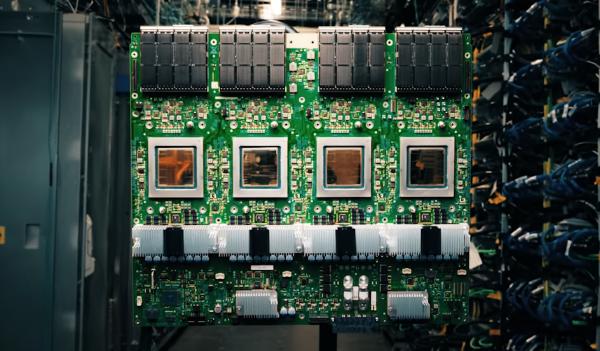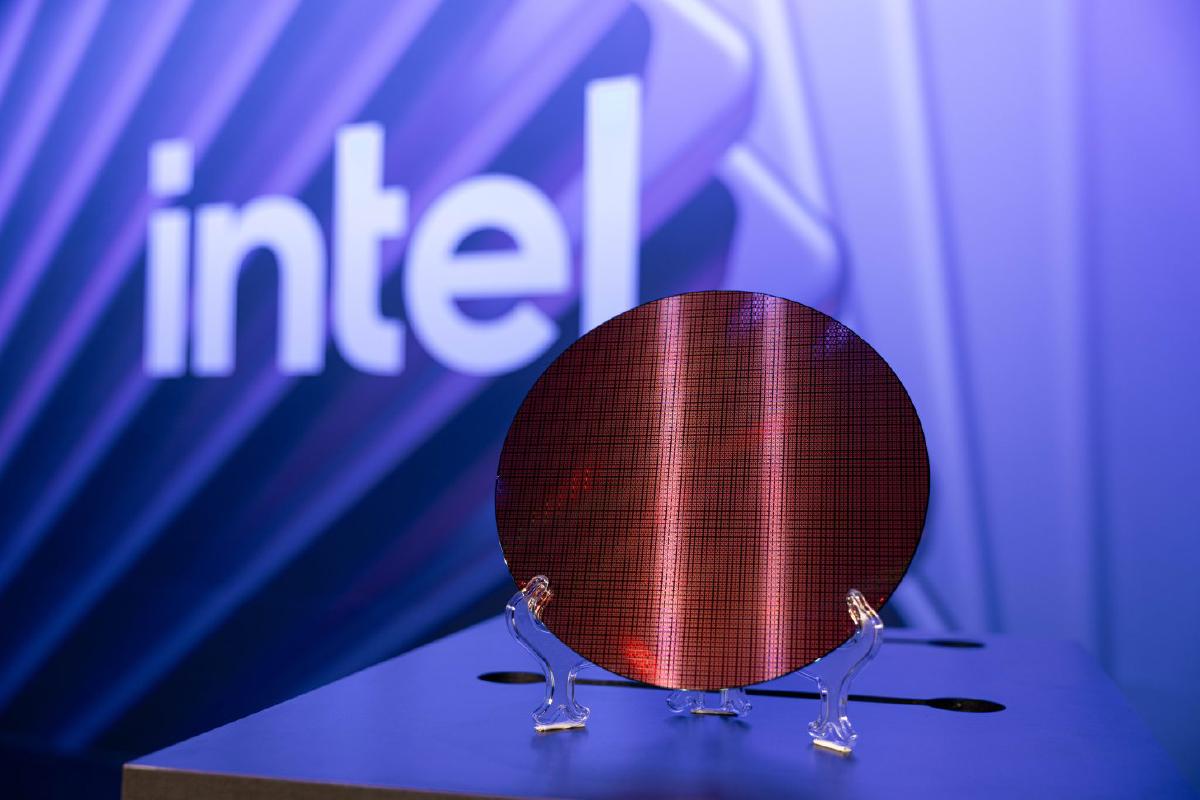
Recent rumors indicate that Google is considering Intel for its upcoming tensor processing unit (TPU) chips. Industry analyst Ming-Chi Kuo has chimed in on this potential partnership, suggesting that the success of the collaboration may depend heavily on Intel’s ability to enhance production yields. As first reported by Wccftech, Kuo emphasizes that a significant increase in yield,from 90% to 98%,will be crucial for Google as it aims to streamline costs associated with its next-generation TPU, codenamed Humufish.
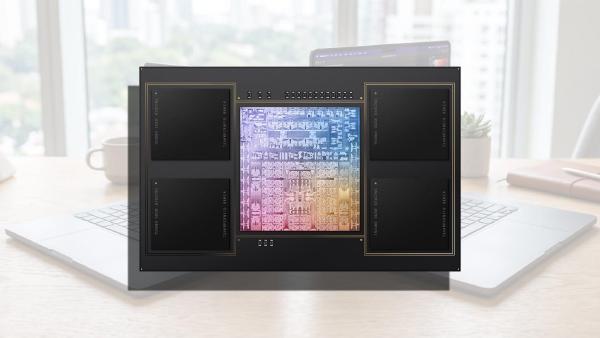
Kuo details that Intel’s EMIB-T packaging technology, which stands for Embedded Multi-die Interconnect Bridge Through Silicon Vias, is at the center of these discussions. This technology utilizes a unique bridge embedded in silicon, which could provide several advantages if production is optimized. However, sources claim that achieving the higher yield rates required could pose a challenge, and this has led to skepticism regarding whether the partnership will deliver the desired results.
If accurate, these developments could have significant implications for Google’s strategy in the competitive field of AI hardware. The tech giant has reportedly been shifting its focus toward cost-effective solutions for its TPU designs, which are integral to enhancing machine learning capabilities in various applications. The potential collaboration with Intel may be a strategic move to bolster its hardware lineup, but it comes with inherent risks tied to production efficiency.
Kuo’s insights align with a growing concern among analysts that the semiconductor industry is facing hurdles in manufacturing scalability. As demand for advanced chips continues to rise, companies like Google and Intel are under pressure to meet these expectations without compromising on quality or cost-effectiveness. The rumored partnership could provide Google with the cutting-edge technology it requires, yet it remains contingent upon Intel’s ability to deliver on production promises.
While this information remains unconfirmed, the conversations surrounding Google’s next TPU and the role Intel may play are indicative of the broader trends in the tech industry. Companies are increasingly exploring partnerships and innovations to gain a competitive edge, particularly as artificial intelligence applications become more prevalent.
Intel has a storied history in the semiconductor sector, known for its innovation and contributions to various technologies. However, its recent challenges with production yields may complicate its efforts to secure partnerships with giants like Google. As the landscape evolves and additional details emerge, the potential implications of these rumored developments could reshape the future of AI hardware.
This article is based on unconfirmed information and should be treated as speculative until further details are provided by official sources.
Image credit: Wccftech
This article was generated with AI assistance and reviewed for accuracy.