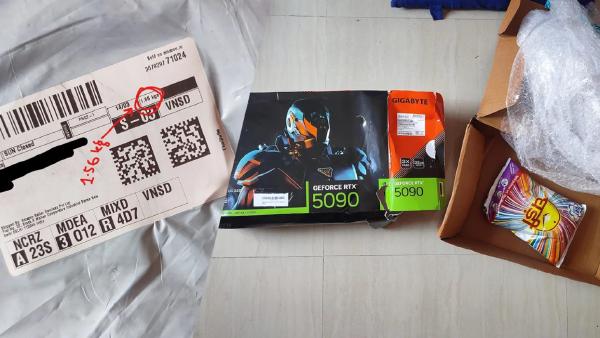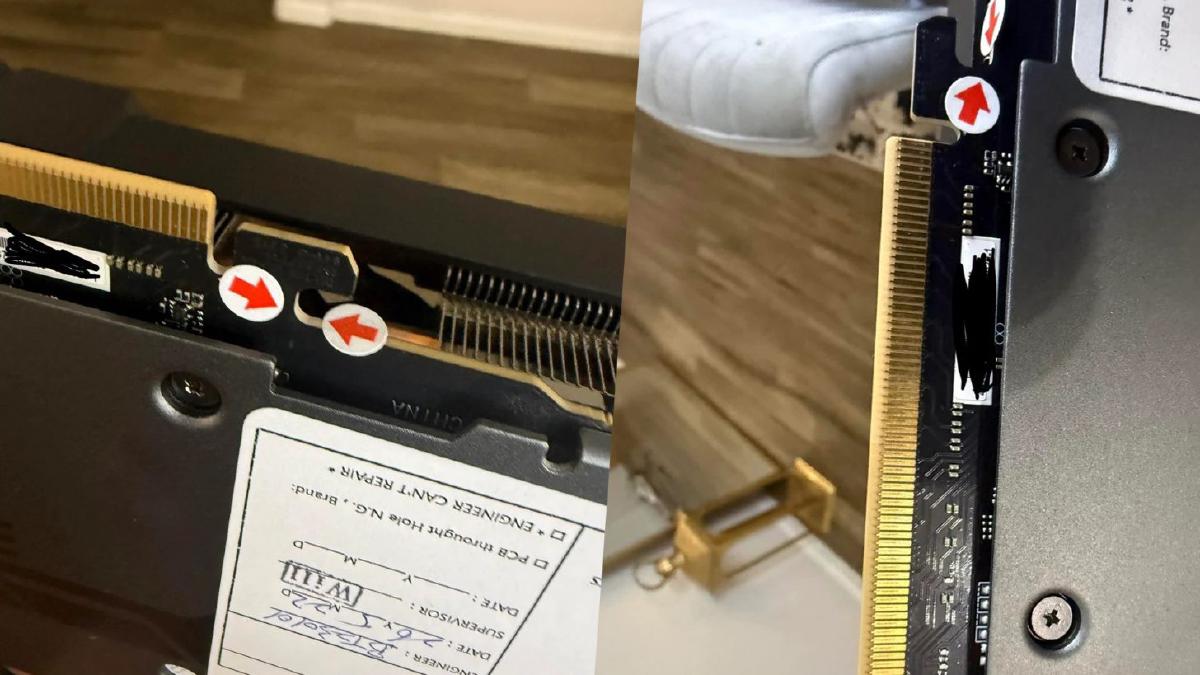
In a development that has caught the attention of PC enthusiasts, GIGABYTE is reportedly denying a warranty claim for an RTX 4090 graphics card, citing alleged user-induced damage that is said to be invisible to the naked eye. This situation has raised eyebrows and sparked discussions about warranty practices among hardware manufacturers.
Sources say that the user, who made the warranty claim, provided photographic evidence to GIGABYTE asserting that no apparent damage exists on the card. As first reported by Wccftech, the user claimed the rejection of the warranty was based on an assessment of the printed circuit board (PCB), which was said to show signs of damage that cannot be seen externally. The denial has led to questions about the criteria manufacturers use to evaluate warranty claims, particularly when the alleged damage is not visibly apparent.
The trend of hardware vendors denying warranty claims for seemingly trivial reasons has become increasingly common. While it is standard practice for companies to refuse claims involving user-induced damage, this specific case raises concerns about the transparency and fairness of such assessments. Many users are left wondering how they can protect themselves from potential pitfalls when seeking warranty service.
Reportedly, GIGABYTE has a history of strict warranty enforcement, which may not be unusual in the industry. However, the refusal to honor a claim based on hidden damage could set a concerning precedent. If accurate, this situation may lead to an increase in dissatisfaction among consumers who feel they are being unfairly treated when their hardware fails.
The implications of this incident could extend beyond just this single claim. As more users share experiences with GIGABYTE and other manufacturers regarding warranty claims, there is a growing expectation for clearer guidelines on what constitutes user-induced damage. Consumers are increasingly vocal about their experiences, pushing for accountability from manufacturers regarding the repair and replacement of defective products.
While GIGABYTE has not publicly commented on this specific case, the conversation surrounding warranty practices in the PC hardware market is likely to continue. As this alleged incident unfolds, it may encourage more users to scrutinize their purchases and the warranties that accompany them.
For those unfamiliar with GIGABYTE, the company is a well-known manufacturer in the PC hardware space, producing a range of products from motherboards to graphics cards. The RTX 4090, in particular, is one of NVIDIA’s flagship graphics cards and has garnered considerable attention since its release, partly due to its impressive performance and high price point.
This article serves as a reminder that while warranty protections exist, consumers must remain vigilant and informed about the terms and conditions that govern their purchases. Until further details emerge, this situation should be regarded as unconfirmed, and readers are encouraged to approach similar cases with caution.
In summary, the alleged denial of the RTX 4090 warranty claim by GIGABYTE raises important questions about consumer rights and manufacturer responsibilities, particularly in instances where damage is not immediately visible.
Image credit: Wccftech
This article was generated with AI assistance and reviewed for accuracy.