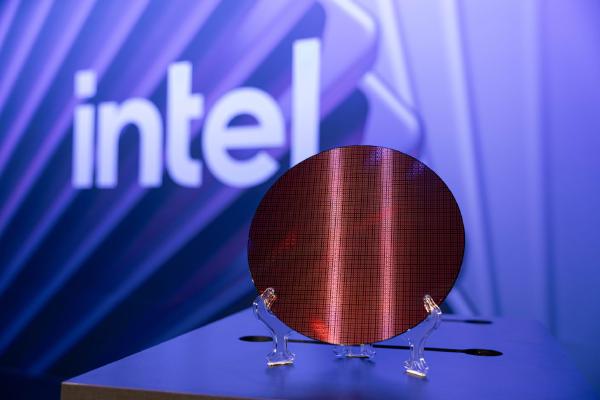
Reports from the well-regarded analyst Ming-Chi Kuo suggest that Apple may have provided Intel with a significant opportunity to revitalize its foundry operations. Kuo describes this moment as “a once-in-a-generation window,” although he notes that the initial flow of orders is somewhat tentative. This potential partnership could be a lifeline for Intel, which has faced mounting challenges in the competitive chip manufacturing landscape.
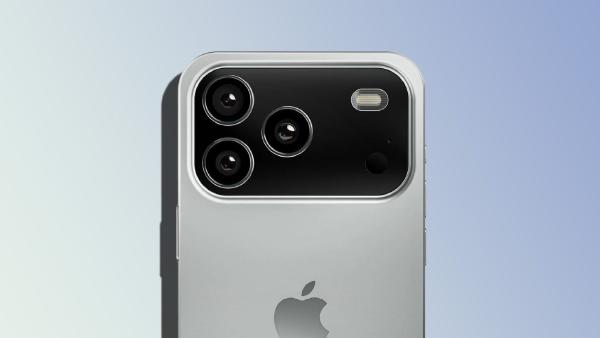
As first reported by Wccftech, sources indicate that approximately 80 percent of Apple’s orders for Intel’s upcoming 18A-P process are expected to be centered around iPhone chips. This aligns with Apple’s current strategy, which leans heavily on its popular device lineup. The situation highlights the symbiotic relationship between the two tech giants; Apple’s reliance on Intel could potentially stabilize the latter’s foundry operations while also meeting its own demands for advanced chip designs.
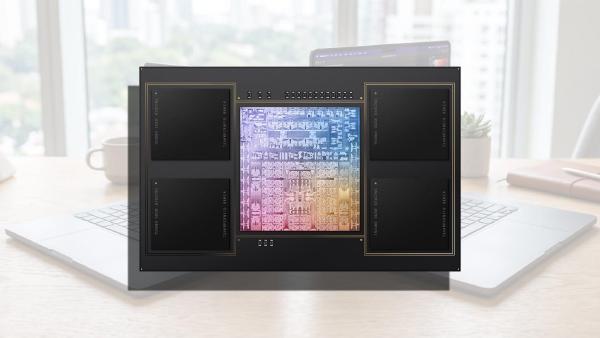
While the specifics of the agreement remain largely undisclosed, Kuo posits that it might resemble Apple’s existing arrangement with TSMC. Under that partnership, Apple designs custom chips based on ARM’s technology, which TSMC then fabricates. This model has proven successful for Apple and may serve as a template for its dealings with Intel, should the partnership progress.
It’s important to acknowledge that these claims are based on unconfirmed sources, and any future developments regarding this partnership should be approached with caution. Apple has historically worked with multiple chip manufacturers, and changes in production strategies could impact the dynamics of its relationship with Intel and TSMC alike.
If these reports are accurate, the implications could be significant for both companies. For Intel, securing a substantial order from Apple would represent a critical step in overcoming its recent struggles and enhancing its manufacturing capabilities. Conversely, Apple may gain valuable leverage in negotiations and bolster its supply chain reliability by diversifying its partnerships.
As the tech landscape continues to evolve, this partnership,if it materializes,could reshape the way processors are designed and manufactured for iPhones and potentially other devices in the future. Industry insiders will likely be watching closely as more details emerge about this budding collaboration.
Intel, established in 1968, has long been a dominant player in the semiconductor industry, although it has faced increasing competition from firms like AMD and TSMC. Apple, on the other hand, has been making strides in chip design, with its own M1 and A-series chips demonstrating significant advancements in performance and efficiency. The intersection of these two tech titans could lead to interesting developments in chip technology moving forward.
Please remember that this information is based on unconfirmed reports and should be treated as speculative until official announcements are made.
Image credit: Wccftech
This article was generated with AI assistance and reviewed for accuracy.