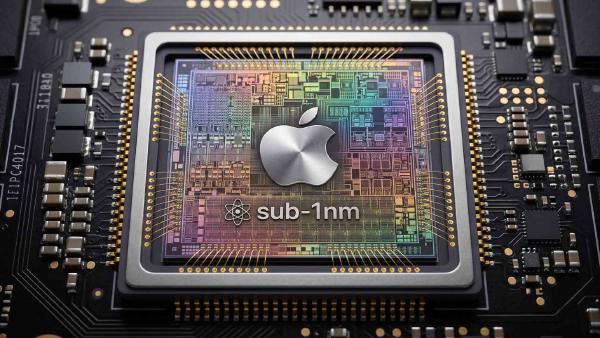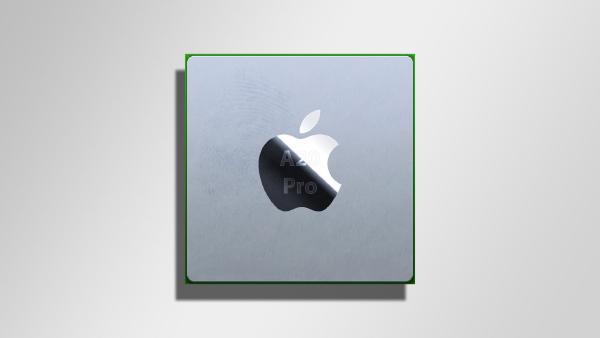
Apple’s planned release of the iPhone 18 might be jeopardized, as new reports indicate that TSMC, the leading semiconductor manufacturer, is currently sitting on a substantial inventory of A20 Pro chipsets. The estimated value of these components is around $1 billion, but sources claim that TSMC cannot proceed to the next production phase without a stable supply of DRAM.
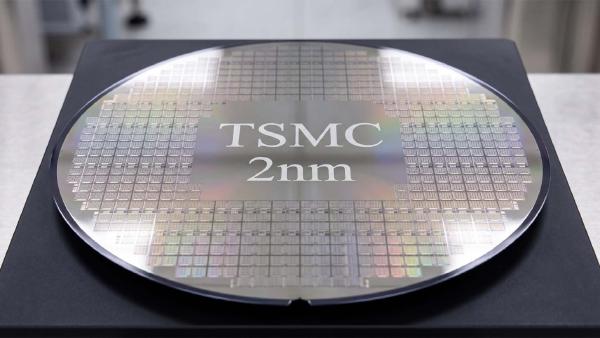
As first reported by Wccftech, this situation could lead to significant delays in the production and subsequent launch of the iPhone 18. Apple is reportedly in a race against time to secure ample DRAM supply from its partners. This race comes at a pivotal moment, as demand for semiconductors has surged, particularly with rising orders for TSMC’s cutting-edge 2nm process from various AI sector clients.
The DRAM shortage has reportedly been compounded by ongoing disruptions in supply chains, which have affected multiple industries, including mobile technology. As a result, TSMC finds itself in a challenging position: while it holds a vast inventory of A20 Pro units, it lacks the necessary components to move forward with manufacturing. This predicament may hinder Apple’s ability to meet its anticipated release schedule for the iPhone 18.
Industry insiders suggest that should these DRAM supply issues persist, it’s possible that Apple could be forced to delay the iPhone 18’s launch, which is typically scheduled for the fall. This would not only impact Apple’s sales but could also have ripple effects throughout the smartphone market.
While TSMC has historically been able to meet Apple’s demands, this year appears to be a different story. Sources claim that the semiconductor giant’s other clients, particularly those in the AI sector, are placing significant pressure on its manufacturing capabilities. This high demand for TSMC’s advanced chips could further complicate Apple’s situation, as the company scrambles to secure the necessary components.
If these reports hold true, Apple will need to take urgent action to mitigate any delays that could impact its product launch timeline. The implications of a delayed iPhone 18 could extend beyond just the latest smartphone model, affecting Apple’s overall annual revenue and market standing.
As the situation develops, all eyes will be on both TSMC and Apple to see how they navigate this challenging landscape. However, it is important to emphasize that this information is based on unconfirmed reports and should be taken with caution. Further updates from credible sources will be required to clarify the actual status of the iPhone 18’s release.
Apple, known for its innovative products and strong market presence, typically launches new iPhone models every September. The iPhone 18 is highly anticipated, especially with expected advancements in technology and features. TSMC, as a critical supplier, plays a central role in Apple’s hardware production, making this situation particularly noteworthy for both companies.
Image credit: Wccftech
This article was generated with AI assistance and reviewed for accuracy.