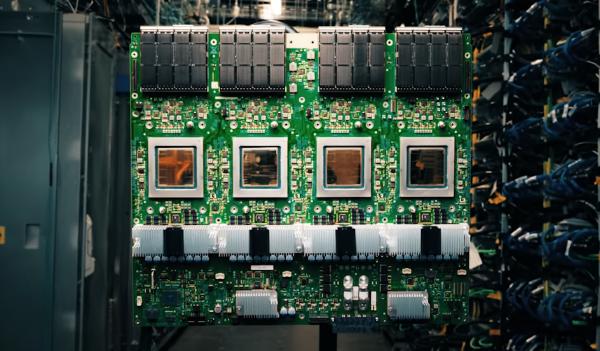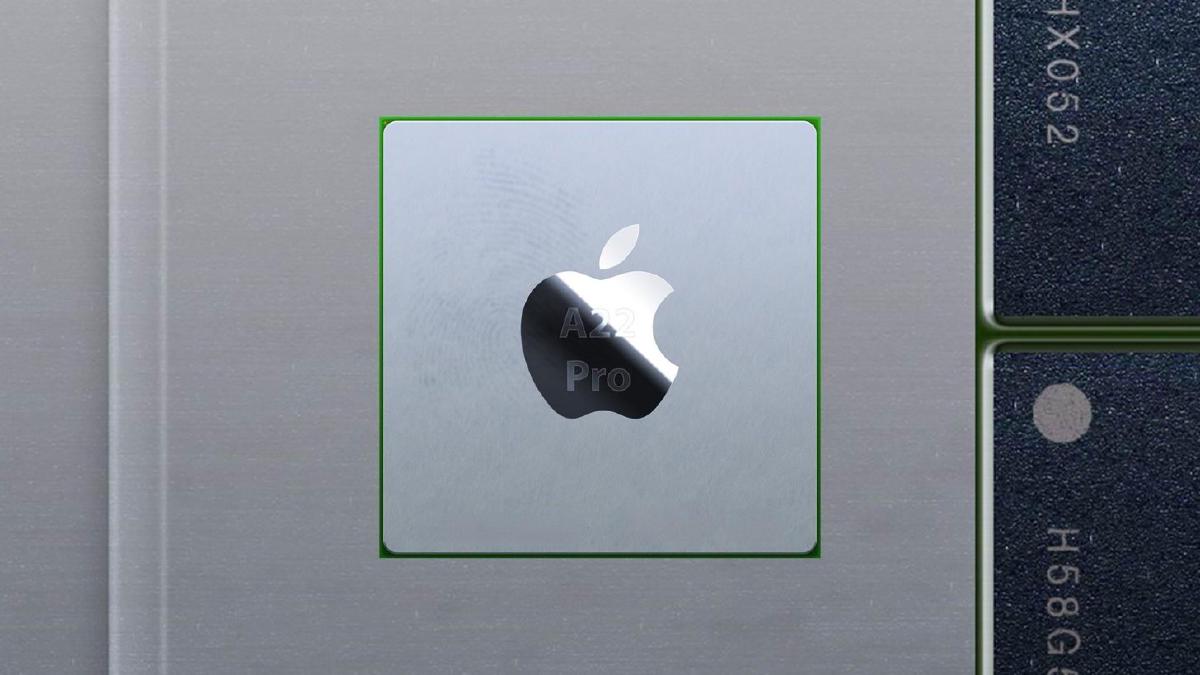
Sources suggest that Apple is reportedly facing significant challenges in securing chip supply due to the surge in demand for AI chips. As first reported by Wccftech, the company may be compelled to abandon its current focus on the 2nm process after just two generations, pushing it towards the shorter-term goal of ramping up to a 1.4nm production node.
The semiconductor landscape has been notably affected by the rapid expansion of AI technologies, leading to a near-standstill in the 3nm supply chain. Reports indicate that TSMC, Apple’s primary foundry partner, is attempting to increase its output, potentially by as much as 175,000 monthly wafers. However, even with such efforts, significant supply constraints are still anticipated.
Insiders claim that the competitive nature of the AI market means that even a high-profile client like Apple may not receive preferential treatment when it comes to chip allocation. As more AI companies transition to the 2nm process, Apple is reportedly facing the same challenges it encountered in previous years, further complicating its supply situation.
This shift in focus to 1.4nm chips may be Apple’s strategy to ensure it can maintain adequate supply for its products amid increasing competition from AI firms. If accurate, this move could indicate a broader trend in the industry, where companies must adapt quickly to the changing demands of the market.
While advanced manufacturing processes have not consistently delivered the expected advantages at acceptable costs, Apple’s urgency to secure chip supply may force it to reassess its priorities. Reports suggest that the company may need to prioritize stable chip availability over the pursuit of cutting-edge performance, reflecting a pragmatic response to the evolving tech landscape.
It is essential to acknowledge that the information regarding Apple’s production plans remains unconfirmed at this stage. The dynamics within the semiconductor market are in flux, and the implications of these shifts could impact not only Apple’s supply chain but also the wider tech industry.
Apple, known for its innovative products and services, has made significant strides in pushing the boundaries of technology. The company relies heavily on its partnership with TSMC to manufacture its chips, including those powering its iPhones, iPads, and Macs. As the demand for AI capabilities continues to grow, this rumored pivot to 1.4nm manufacturing could represent a critical adjustment in Apple’s ongoing strategy.
Image credit: Wccftech
This article was generated with AI assistance and reviewed for accuracy.