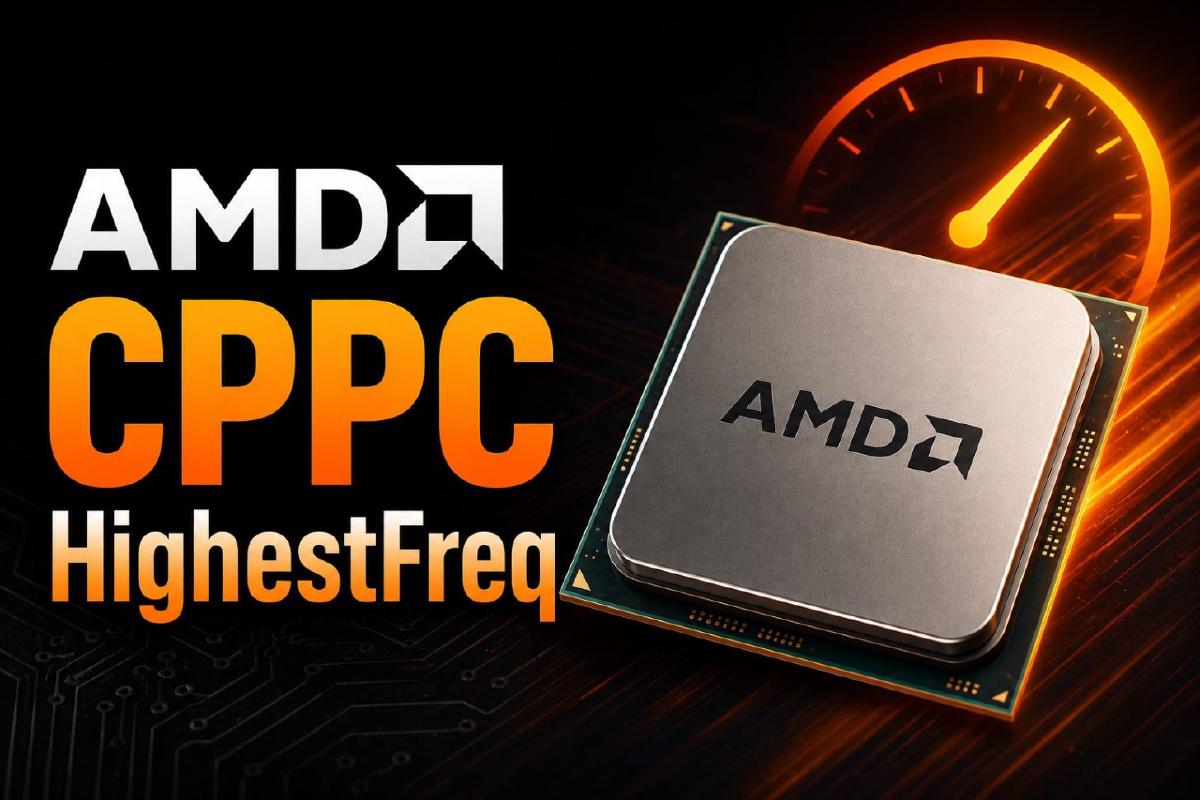
AMD is reportedly developing a new feature called CPPC HighestFreq that could significantly alter how operating systems like Windows and Linux interact with Ryzen CPUs. As first reported by Wccftech, this functionality is designed to enable direct reporting of CPU boost frequencies from the hardware to the OS, potentially improving overall performance and responsiveness.
Traditionally, operating systems estimate CPU boost frequencies based on various factors, leaving room for inaccuracies. This estimation process can lead to less than optimal scheduling and performance, as the OS does not have real-time access to the CPU’s actual capabilities. If the information on CPPC HighestFreq proves accurate, it could eliminate the guesswork for OS developers and allow them to optimize resource allocation based on actual conditions.
Sources close to the matter suggest that this new feature could enhance CPU scheduling on future Ryzen chips. By allowing operating systems to access direct frequency data from the CPU firmware, users may experience improved performance, especially in demanding applications. The potential implications for gaming and resource-heavy tasks could be substantial, as more precise frequency management could lead to smoother and more efficient operation.
While details about the implementation of CPPC HighestFreq remain unconfirmed, early speculation suggests that it could be integrated into AMD’s next generation of Ryzen processors. This would mark a significant shift in how software and hardware collaborate, providing a more seamless experience for users. The ability for an OS to read boost frequencies directly could pave the way for more responsive and intelligent CPU scheduling, particularly in multitasking environments.
As with any emerging technology, it is crucial to treat these reports with caution until AMD officially announces the feature and provides further details. , as well as professional users, are likely to keep a close eye on developments surrounding CPPC HighestFreq, given its potential to enhance performance in various applications.
AMD has a history of pushing boundaries in CPU technology, and if the CPPC HighestFreq feature is indeed in the works, it could mark another step forward in their ongoing efforts to enhance performance and efficiency in their processors. With the demand for high-performing hardware continuing to rise, features like CPPC HighestFreq could be a significant asset for AMD in maintaining its competitive edge in the market.
For now, gamers and tech enthusiasts alike will have to wait for further confirmation from AMD regarding this intriguing development.
Image credit: Wccftech
This article was generated with AI assistance and reviewed for accuracy.