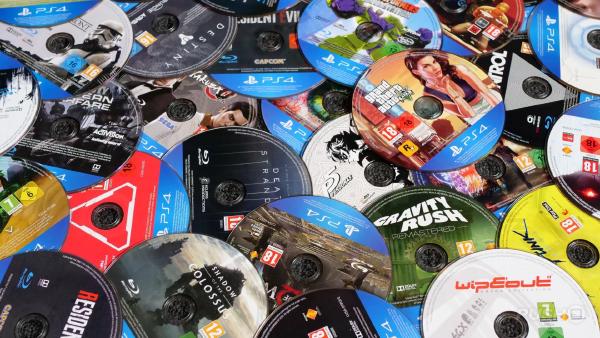
Sony’s recent announcement to halt the production of physical PlayStation discs by January 2028 is causing ripples across the gaming industry. As first reported by Wccftech, industry stakeholders have been weighing the implications of this significant shift toward a digital-only future. The change has sparked discussions about the potential effects on the used games market and what it means for both players and developers.
During Ubisoft’s recent Q1 2026 earnings call, investors expressed concerns that Sony’s decision might create a challenging landscape, particularly in relation to the availability of used games. However, Frédérick Duguet, Ubisoft’s Chief Financial Officer, offered a reassuring perspective. According to Duguet, the transition to digital is not expected to significantly impact their revenue streams. Drawing on experiences from the PC gaming market, he noted that players have adapted to digital purchasing habits, which could mitigate any downturn in demand for new titles.
Ubisoft, like many in the industry, has been increasingly focusing on digital sales as advancements in technology continue to shape consumer behavior. Duguet’s comments suggest a belief that is ready to embrace this shift, paralleling the trajectory seen in PC gaming where digital purchases have dominated retail sales.
The move away from physical discs raises important questions about the future of gaming. Historically, used games have provided a vital outlet for players looking to save money, create a secondary market, and allow gamers to explore titles they might not have initially purchased at full price. With Sony’s decision to stop producing discs, the reliance on digital media may upset this balance, leaving some gamers concerned about the long-term implications for accessibility and affordability.
Moreover, Duguet pointed out that the evolving landscape of gaming is not solely about hardware changes. Instead, he emphasized the ongoing need for studios to adapt their business models to fit the digital-first paradigm, suggesting that Ubisoft has strategies in place to thrive in this new environment. The publisher’s focus on live-service games and ongoing content updates may play a significant role in keeping players engaged, even as the medium in which they access these games transforms.
As Sony prepares for its digital future, other developers will be watching closely to see how the market reacts. While Ubisoft remains optimistic about consumer adaptability, it will be interesting to observe how various players in the industry respond to the absence of physical copies. For many, the tactile experience of holding a game case and sharing titles with friends has been a cornerstone of gaming culture.
Sony’s shift is not just a business decision. It represents a broader trend in entertainment, where physical media is gradually being replaced by digital formats. This evolution raises questions about ownership, preservation, and the future of gaming as an art form.
Ubisoft, founded in 1986, has long been a staple in the gaming industry, known for popular franchises like Assassin’s Creed, Far Cry, and Tom Clancy’s games. As the company continues to adapt to changing market conditions, players can expect innovative approaches to game design and distribution, ensuring that the evolution of gaming remains as engaging as ever.
Image credit: Wccftech
This article was generated with AI assistance and reviewed for accuracy.