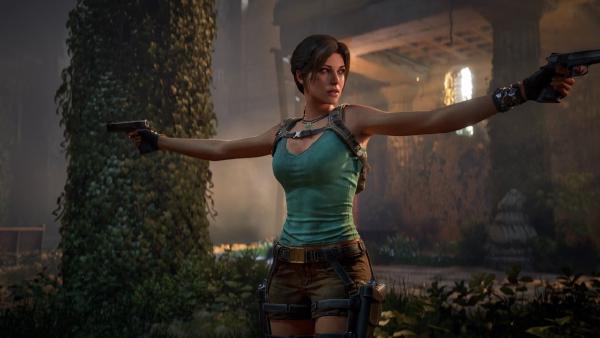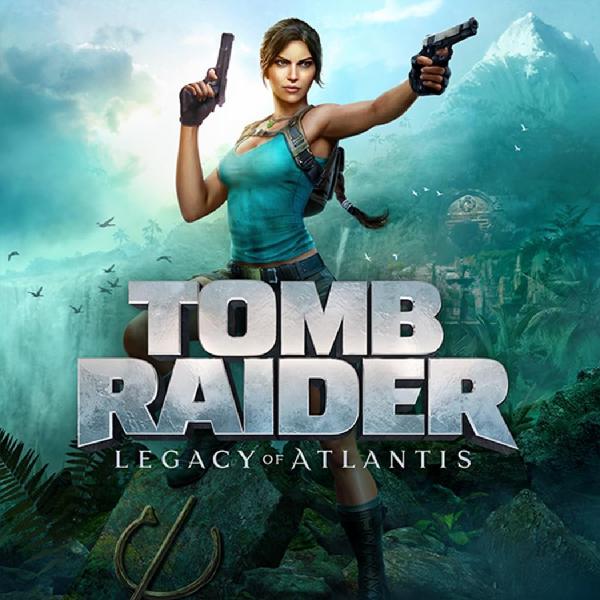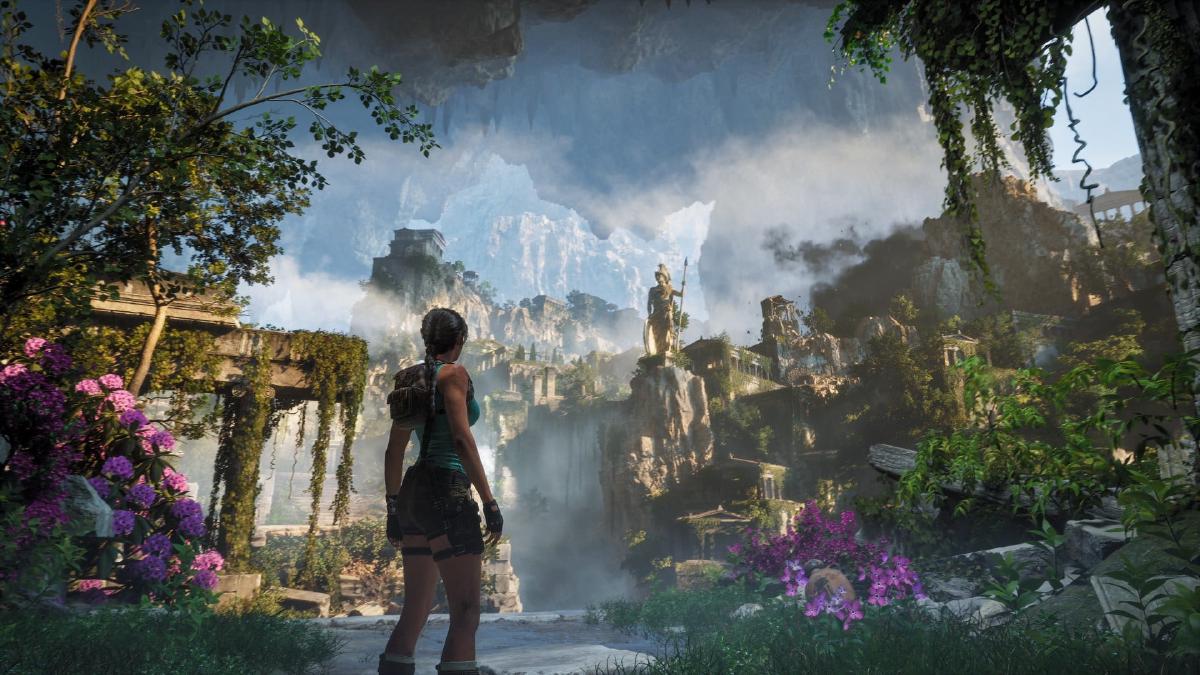
The anticipation surrounding Tomb Raider: Legacy of Atlantis was palpable as I approached its presentation at Gamescom last month. With the storied franchise recently transitioning away from its darker reboot era, many were eager to see how Amazon would breathe new life into Lara Croft’s adventures. However, after a thorough 30-minute hands-off session narrated by representatives from Crystal Dynamics and the Polish studio Flying Wild Hog, I found myself grappling with a sense of disappointment.
As first reported by Push Square, the presentation unfolded with promise. Fans were treated to a glimpse of stunning visuals and some signature Tomb Raider gameplay elements. The vibrant environments showcased an intriguing mix of ancient mythology and modern design, which initially hinted at a captivating narrative. Lara Croft, a character who has evolved dramatically over the years, appeared as compelling as ever, demonstrating her trademark agility and intellect in a variety of challenging scenarios.
Despite this, something felt amiss. The excitement that usually accompanies a new Tomb Raider reveal was overshadowed by a lingering question: What exactly is the game bringing to the table that feels fresh? While the visuals and gameplay mechanics were polished, they also felt all too familiar, echoing elements from previous titles without introducing a significant twist.
The hands-off demo revealed a world rich in exploration, but I couldn’t help but feel that the stakes seemed lower than expected. The puzzles, which have always been a hallmark of the series, appeared to lack the complexity and ingenuity that defined earlier installments. Instead of evoking a sense of wonder or challenge, they felt like a routine checklist rather than a genuine test of Lara’s skills.
Moreover, the narrative direction, while hinted at, left much to be desired. The Tomb Raider series has always thrived on its ability to weave compelling stories that resonate with players. Yet, during the demo, the storyline felt like it was skirting around deeper themes, opting instead for surface-level action and adventure. As a player, I yearned for a more profound emotional connection to Lara’s journey and the challenges she faces, something that has often been the beating heart of the franchise.
The team behind Legacy of Atlantis is undoubtedly talented, and their dedication to keeping the spirit of Tomb Raider alive is commendable. However, the game may need to embrace bolder storytelling choices and innovative gameplay mechanics to truly stand out in a crowded market. With so many titles vying for player attention, simply relying on nostalgia is unlikely to suffice.
As the release date looms, I find myself hoping that the final product will address these concerns and deliver a balance of engaging narrative and captivating gameplay. Tomb Raider has historically been a pioneer in narrative-driven adventures, and its legacy deserves to be honored with a title that pushes boundaries rather than merely retreads familiar ground.
In summary, while Tomb Raider: Legacy of Atlantis showcases some of the series’ beloved elements, it may need to lean into more ambitious storytelling and inventive gameplay to lure players back into Lara Croft’s world. Fans are left eagerly awaiting more details, hoping that the final product addresses the reservations sparked by this early look.
Tomb Raider, developed by Crystal Dynamics and published by Amazon Games, has been a powerhouse in the action-adventure genre since its debut in 1996. The franchise continues to evolve, aiming to capture a new generation of players while honoring its storied legacy.
Image credit: Push Square
This article was generated with AI assistance and reviewed for accuracy.