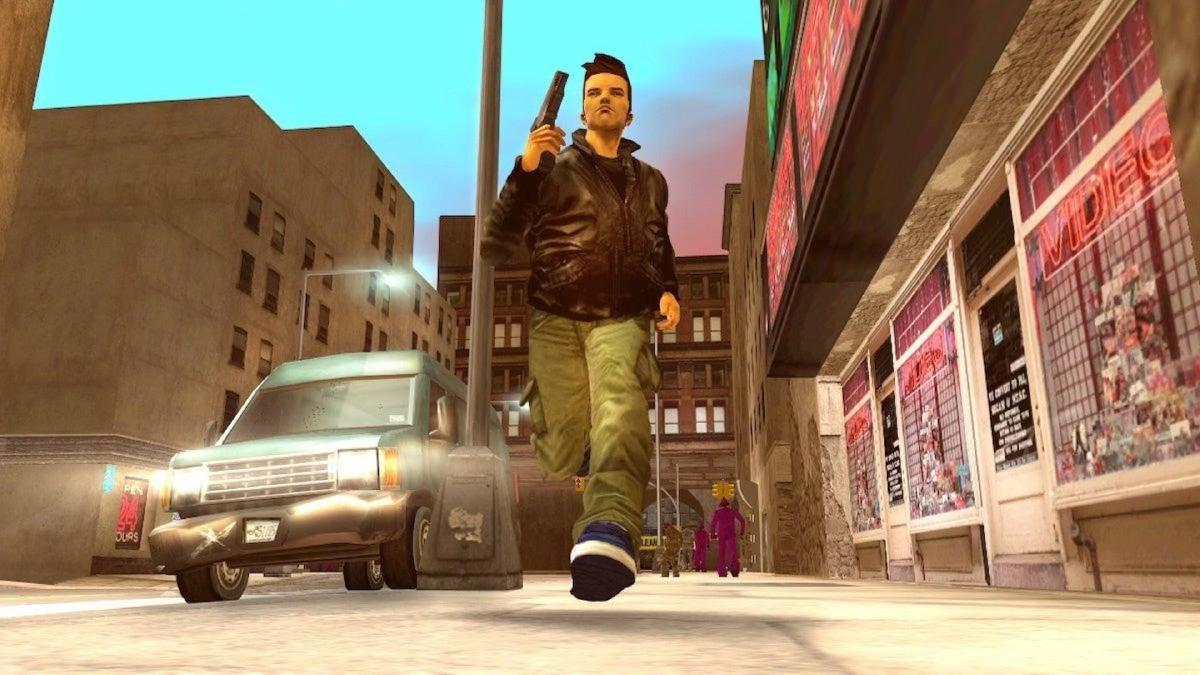
When Grand Theft Auto III launched on PlayStation 2 in 2001, it didn’t just push the boundaries of what games could achieve; it redefined them. The sprawling city of Liberty City, a vibrant and chaotic urban landscape, was unlike anything players had experienced before. As first reported by Push Square, the level of detail and interactivity in this virtual world set a new standard for open-world gaming.
Before GTA III, the concept of an open-world game was still in its infancy. Titles like Shenmue had hinted at the potential of expansive environments, but they were largely confined to specific narratives and structured gameplay. Rockstar Games took it a step further, creating a dynamic sandbox where players could forge their own paths. Liberty City became a character in its own right,a living entity filled with its own distinct personalities, neighborhoods, and stories waiting to unfold.
Rockstar’s approach to world-building was revolutionary. The developers meticulously designed every inch of the city, emphasizing not just aesthetics but also functionality. Players were encouraged to engage with the environment in countless ways. You could steal a car, take a leisurely stroll, or even commit nefarious acts, all while feeling the pulse of the city around you. Liberty City wasn’t just a backdrop; it was an immersive experience that reacted to players’ decisions in real time.
The game’s narrative structure further enhanced this immersion. Players stepped into the shoes of Claude, a silent protagonist who found himself entangled in a web of crime and betrayal. The story unfolded across various missions and side quests, each offering a glimpse into the darker corners of the city. This blend of open-world freedom and a compelling narrative allowed players to create their own unique experiences while still following an engaging storyline.
The technological advancements of the PlayStation 2 played a crucial role in bringing Liberty City to life. The console’s hardware capabilities enabled Rockstar to include intricate details, such as realistic traffic patterns, day-night cycles, and a radio system filled with original music and satirical talk shows. These elements combined to create a more believable environment, making it easy for players to lose themselves in the chaos of the city.
Moreover, GTA III’s impact extended far beyond its initial release. It opened the floodgates for countless other titles, inspiring a generation of developers to explore the potential of open-world design. Game franchises that followed, such as Assassin’s Creed and The Witcher, owe a debt of gratitude to the bold vision that Rockstar realized. The success of GTA III essentially laid the groundwork for how stories could be told in video games, with an emphasis on player agency and exploration.
As we look back on the legacy of Grand Theft Auto III, it’s clear that Liberty City was more than just a setting; it was a groundbreaking achievement in game design and storytelling. The risks taken by Rockstar in crafting such an expansive and interactive environment paid off, forever altering the landscape of gaming. Today, its influence is still felt, reminding us of a time when gaming possibilities seemed limitless.
Rockstar Games, founded in 1998, has become synonymous with quality in the gaming industry, renowned for its attention to detail and storytelling prowess. Grand Theft Auto III is just one of the many titles that showcase the studio’s commitment to innovation and immersive gameplay experiences.
Image credit: Push Square
This article was generated with AI assistance and reviewed for accuracy.