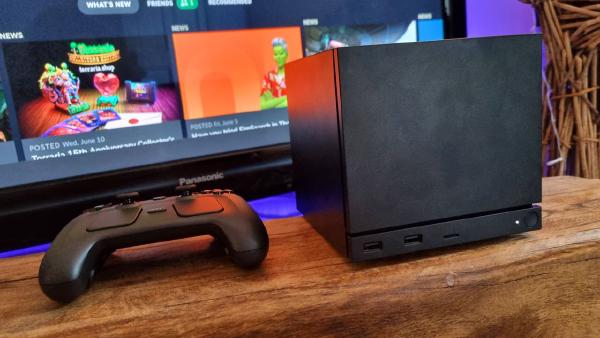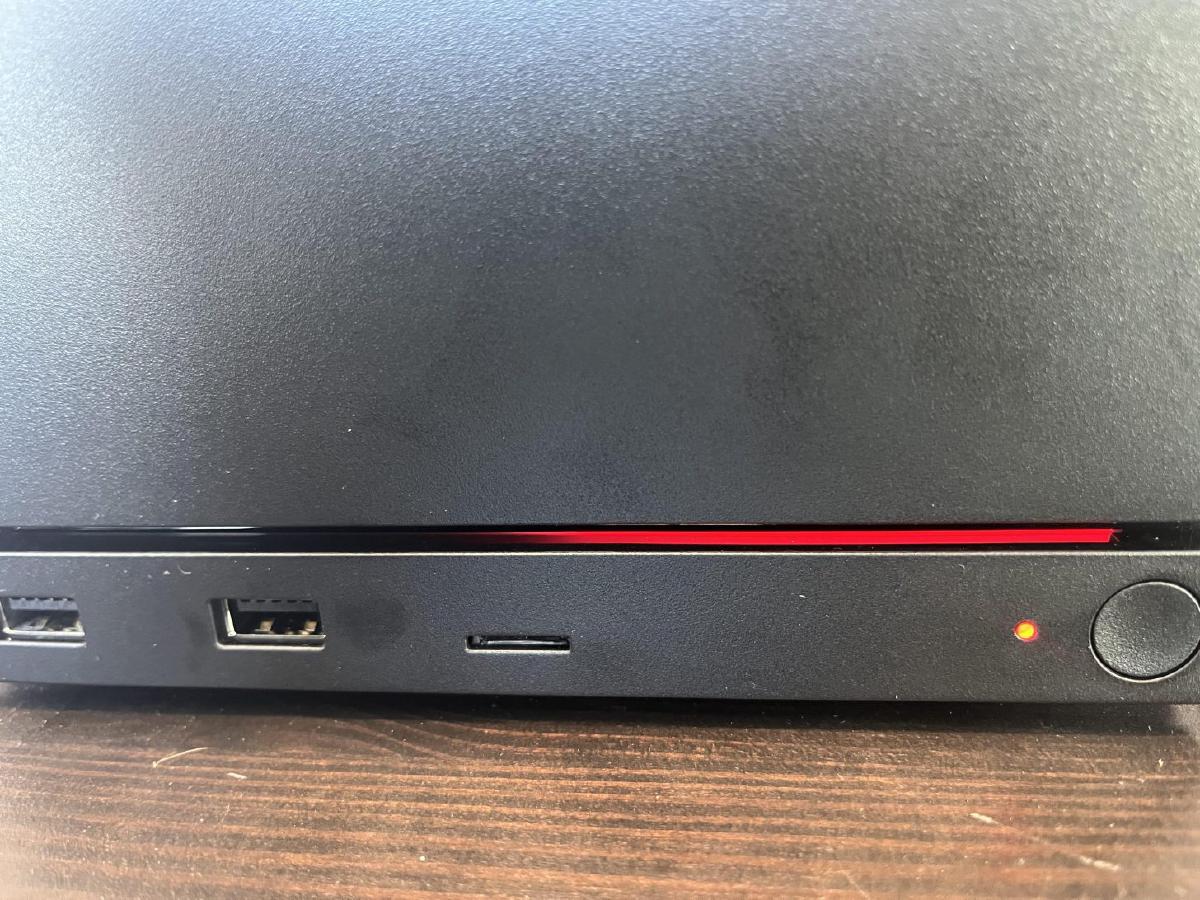
In a concerning development for gamers, the first recorded incident of a Steam Machine displaying a “Red Line of Death” (RLOD) has surfaced, indicating a potential GPU failure. As first reported by Wccftech, this issue emerged shortly after the user powered on their unit, just 20 minutes into operation, raising alarms about the hardware’s reliability.
The RLOD is a visual indicator of hardware failure, much like the notorious Red Ring of Death (RROD) that plagued Xbox 360 consoles years ago. While the RROD was signified by a ring of red lights surrounding the console’s power button, the Steam Machine’s version manifests as a single red line on the device’s display. This stark visual cue serves as a stark reminder of the ongoing challenges faced by console manufacturers in delivering dependable gaming hardware.
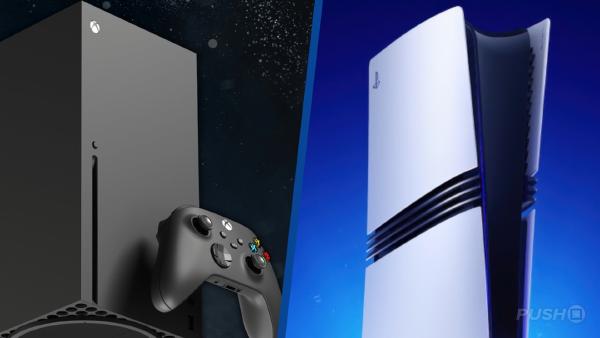
While several current-generation consoles, like the PlayStation 4 and PlayStation 5, have their own failure indicators,namely the Blue Light of Death (BLOD) and the White Light of Death (WLOD),the emergence of the RLOD highlights a potential issue within the Steam Machine’s architecture. Users are understandably anxious about the implications of this incident, as hardware failures can lead to costly repairs or replacements.
The Steam Machine was introduced by Valve as a way to bring PC gaming into the living room, merging the accessibility of consoles with the flexibility of PC gaming. However, the recent RLOD incident raises questions about the long-term viability of the platform, especially given that the Steam Machine has faced its share of challenges since its launch.
Despite the Steam Machine’s promise of high performance and accessible gaming, the inconsistency with hardware reliability could deter gamers who prioritize stability over potential innovation. As players invest in their gaming setups, the specter of hardware failure looms large, reminding them of previous console misfortunes.
Valve’s ambition with the Steam Machine was to redefine gaming experiences, combining the vast library of PC games with a console-like interface. However, the emergence of the RLOD incident may overshadow these aspirations, prompting both players and industry observers to reconsider the platform’s future viability.
As gaming technology continues to advance, the expectation for reliability remains paramount. This incident serves as a cautionary tale for manufacturers who must ensure that their designs can withstand the rigors of everyday use.
For now, the gaming world watches closely to see how Valve handles this situation and what steps will be taken to address the concerns of Steam Machine users. As players seek reliable systems for their gaming needs, the pressure is on for companies to prioritize not just performance, but also the durability of their products.
Valve, founded in 1996, is renowned for its role in shaping the gaming industry through its innovative digital distribution platform, Steam, and popular titles like Half-Life and Dota 2. The Steam Machine initiative marked an ambitious attempt to bridge the gap between PC and console gaming, but incidents like the RLOD could significantly impact its legacy.
Image credit: Wccftech
This article was generated with AI assistance and reviewed for accuracy.