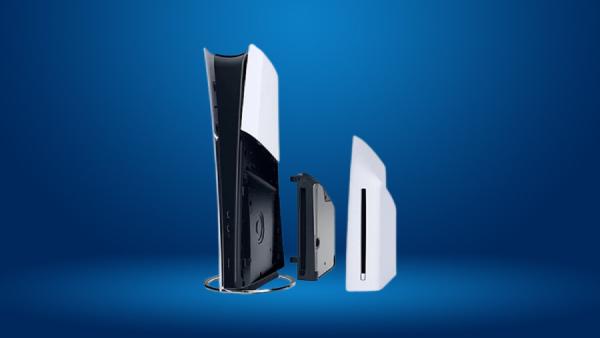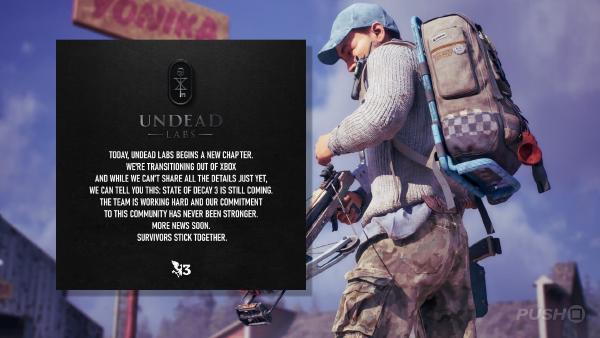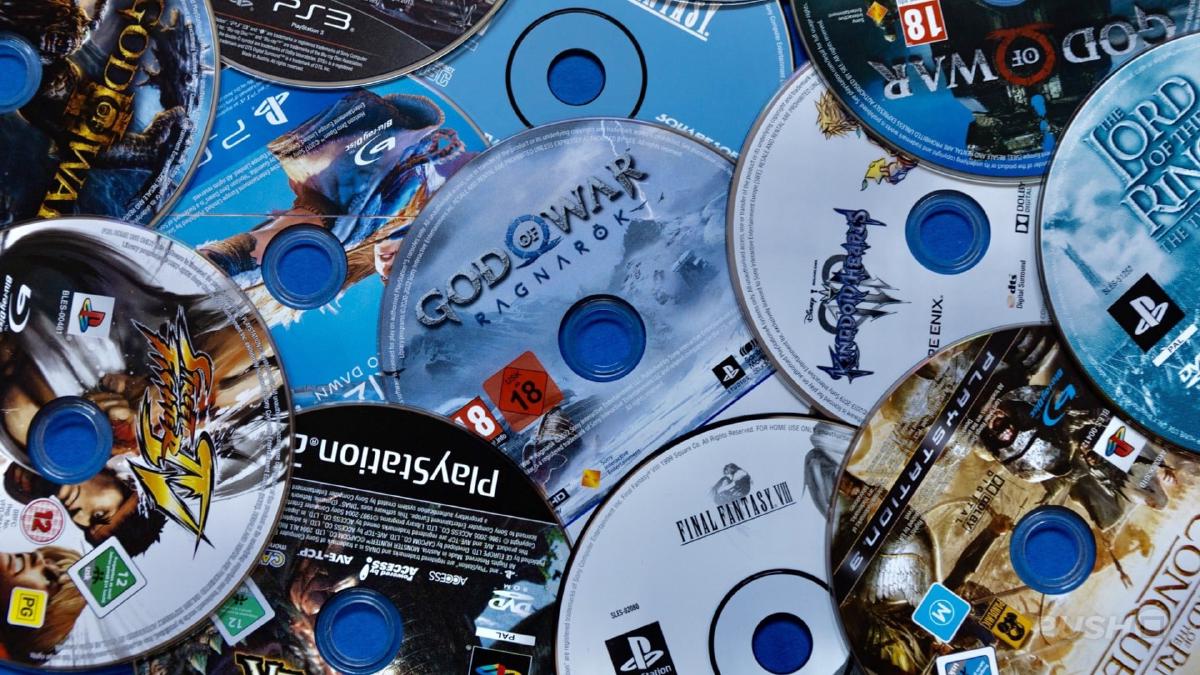
Sony’s recent announcement to halt the production of physical discs for the PlayStation 5 by 2028 is still causing ripples in the gaming landscape. Initially met with a wave of backlash, the outrage appears to be subsiding, but a new rumor from Xbox could reignite the conversation and draw renewed ire toward Sony. As first reported by Push Square, the timing of this potential announcement from Xbox is strikingly close to Sony’s controversial decision, suggesting a brewing rivalry that could further polarize gamers.
The decision to stop manufacturing physical discs aligns with broader industry trends favoring digital distribution. However, for many players, physical copies represent not just ownership but a tangible connection to their favorite titles. The anger over Sony’s plans reflects a significant divide in player preferences. Many gamers cherish their collections of physical games, while others embrace the convenience of digital purchases. In transitioning away from physical media, Sony risks alienating a segment of its fanbase that values physical ownership and the nostalgia tied to game collecting.
While Sony seems to be moving forward with its strategy, the speculation surrounding Xbox’s next steps could complicate matters. If Microsoft opts to continue supporting physical media or introduces new features that enhance the player experience with physical discs, the contrast may exacerbate existing frustrations with Sony’s decision. This potential counter-move from Xbox could lead to further scrutiny of Sony’s approach, making the upcoming announcement all the more critical.
The digital versus physical debate is not new in the gaming sphere. Industry giants have long wrestled with consumer preferences as digital platforms gain traction. Sony’s decision may be financially driven, aiming to streamline production and distribution costs while capitalizing on the growing prevalence of digital sales. However, this pivot does not come without risks. The potential for a backlash increases if Xbox actively promotes its commitment to physical media in a time when many gamers are already expressing dissatisfaction with Sony.
The heart of the issue lies in how players define their ownership of games. Physical copies allow for a sense of permanence, and with the gaming industry increasingly leaning toward subscription services and cloud gaming, that permanence seems threatened. As more companies transition to digital, there is a growing concern about the future of ownership. Will players truly own their games if they are stored in the cloud and tied to a subscription service? These questions linger as the industry evolves.
Sony’s move appears to be part of a larger trend towards a more digital-focused future, which may ultimately be more profitable for the company. However, this transition needs to be carefully managed to avoid alienating a passionate segment of its player base. As the gaming landscape continues to change, the reaction from gamers will be crucial in shaping how companies approach this debate moving forward.
With Xbox’s rumored announcement on the horizon, all eyes will be on how it positions itself in relation to Sony’s decisions. The response from both companies could reshape the conversation around game ownership, distribution, and player experience. The rivalry is not just about who has the better console, but increasingly about how they approach the very medium of gaming itself.
As this narrative unfolds, players and industry analysts will be keenly watching the repercussions of Sony’s decision and the potential impact of Xbox’s strategy. With the stakes high, the future of physical media in gaming hangs in the balance, and the outcome could redefine how gamers interact with their favorite titles for years to come.
Founded in 1994, Sony Interactive Entertainment is known for its PlayStation consoles, having d the gaming industry with a focus on innovation and immersive experiences. Xbox, developed by Microsoft, has also made significant strides in gaming, especially with its commitment to fostering a robust online gaming community and expanding access to games through various platforms.
Image credit: Push Square
This article was generated with AI assistance and reviewed for accuracy.