In a significant shift for the gaming landscape, Sony has announced plans to phase out physical game sales for PlayStation starting January 2028. This decision comes in the wake of a report indicating that only 15% of PS5 software was purchased in physical format in the last quarter. As first reported by Push Square, this trend underscores a broader industry movement towards digital distribution, a shift that has sparked concern and nostalgia among long-time fans of physical media.
The decline in physical sales has not gone unnoticed. Sony’s move to discontinue the sale of physical copies signals a future where the upcoming PlayStation 6 may launch as a fully digital platform. With the gaming market rapidly evolving, Sony appears to be strategically aligning itself with current consumer preferences, which increasingly favor convenience and immediate access over physical ownership.
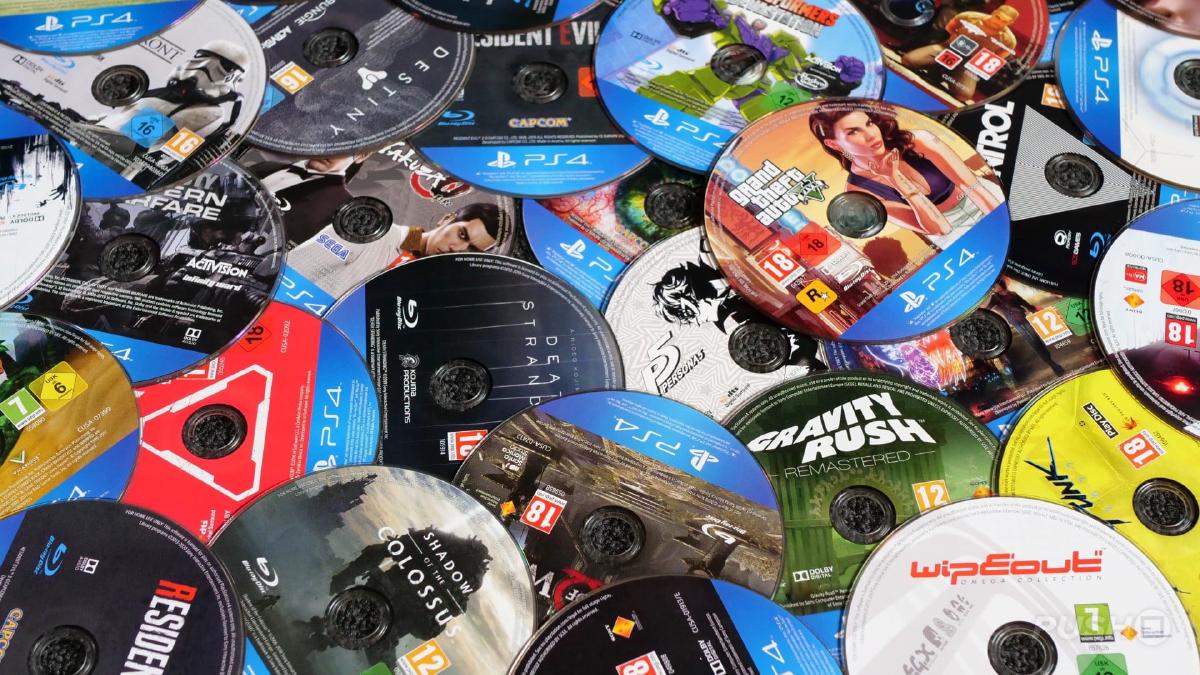
In light of this announcement, many players are expressing mixed feelings about the transition. While the convenience of digital titles cannot be understated,offering instant access and the ability to play without swapping discs,there remains a deep appreciation for the tactile experience of owning a physical copy. Collectors, in particular, have voiced concern over the fate of their existing game libraries and how Sony plans to address the needs of these dedicated fans.
As the gaming industry moves toward a predominantly digital future, questions linger about how the company will support users with established physical collections. Will there be incentives for digital transitions? How will Sony safeguard against the potential loss of access to previously purchased games? These questions remain unanswered, leaving players in a state of uncertainty as they ponder their next moves.
Sony’s decision is emblematic of a larger trend occurring across the industry. With streaming services like Xbox Game Pass and PlayStation Plus gaining traction, the convenience of digital games has become increasingly difficult to resist. The recent data indicating a steep decline in physical purchases reflects this shift, prompting Sony to reevaluate its sales strategies.
While some might argue that transitioning to digital-only sales could alienate a portion of the player base, others see it as a necessary step toward modernizing the gaming experience. As technology continues to advance and broadband speeds improve, the barriers that once held back digital gaming are slowly being dismantled. Yet, this transition is not without its challenges, such as ensuring that all players have access to stable internet connections and that games remain accessible in the event of server outages or platform closures.
As the gaming world braces for this inevitable change, sentiments are mixed. Many fans cherish the nostalgia associated with physical copies,the artwork, the manual, the thrill of collecting. Others, however, are eager to embrace the ease and practicality of digital gaming. As Sony prepares for this new era, the company will need to strike a delicate balance between innovation and the sentiments of its loyal fan base.
In summary, Sony’s decision to shift to digital-only sales by 2028 marks a pivotal moment for both the company and the gaming industry as a whole. As players adapt to this change, they will undoubtedly be watching closely to see how Sony addresses their concerns and supports its valuable community of gamers.
Founded in 1994, Sony Interactive Entertainment has been at the forefront of gaming innovation, producing some of the industry’s most beloved consoles and franchises. With the PlayStation brand, the company has consistently pushed the envelope in terms of graphics, gameplay, and storytelling, contributing significantly to the evolution of video games.
Image credit: Push Square
This article was generated with AI assistance and reviewed for accuracy.