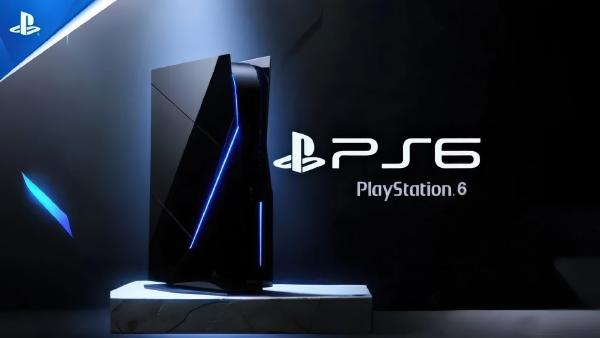
In a recent discussion, Hideaki Nishino, the corporate head of Sony Interactive Entertainment, shared his vision for the future of gaming, emphasizing the transformative role artificial intelligence could play in enhancing player experiences. As first reported by PC Gamer, Nishino expressed optimism about how AI could reshape storytelling, gameplay mechanics, and overall engagement in video games.
Nishino’s remarks come amidst a growing conversation around the potential of AI technologies in various industries, including gaming. The executive highlighted that artificial intelligence has the capability to create personalized narratives and tailor challenges to individual players, potentially leading to a more immersive and dynamic gaming environment. He believes this shift could introduce “gaming experiences like never before,” suggesting that AI could facilitate deeper emotional connections and more engaging interactions within games.
During his comments, Nishino pointed to the current limitations of traditional game design, where developers often rely on fixed narratives and predetermined paths. He argued that AI could break these molds, allowing for adaptive storytelling that evolves based on player choices and behaviors. According to him, this could make games feel less like scripted adventures and more like living stories crafted by the player’s unique journey.
While Nishino’s vision is ambitious, it raises important questions about the timeline for these advancements. As the industry has seen various promises of innovation over the years, many players are left wondering how long it will take before these AI-driven experiences become a reality. Developers have been exploring AI’s capabilities for a while, but the tangible results have yet to materialize in a way that fundamentally alters gameplay on a broad scale.
Looking back at the strides made in AI within gaming, titles like “The Last of Us Part II” and “Ghost of Tsushima” have utilized advanced algorithms to create more realistic NPC behavior and responsive environments. However, these implementations are often still tethered to the confines of existing design structures. Nishino’s vision hints at an era where such advancements are not just enhancements, but the foundation upon which games are built.
Moreover, AI’s integration into gaming raises considerations around player agency and the role of developers. As narratives become more fluid and responsive, the balance of control between the player and the game could shift. This might invite debates on the intentions behind AI storytelling and the ethical implications of creating adaptive narratives that could manipulate player emotions.
With the gaming landscape evolving rapidly, Nishino’s insights challenge both developers and players to rethink what is possible. As AI technology continues to advance, the potential for groundbreaking innovations in gaming will likely inspire a new generation of creators. The question remains whether the industry can deliver on these promises in a way that enhances the player experience without sacrificing the artistry of game design.
As we await further developments, the anticipation for AI’s role in gaming continues to grow. Fans are eager for groundbreaking narratives that truly respond to their choices, and for experiences that feel uniquely crafted for them. The future of gaming may hinge on how effectively Sony and other industry leaders can harness the power of AI to create worlds that resonate on a deeper level.
Sony Interactive Entertainment has been at the forefront of gaming innovation since its inception, with landmarks like the PlayStation console series and critically acclaimed titles under its belt. As the company navigates the integration of AI, it seeks to maintain its legacy while venturing into uncharted territory.
Image credit: PC Gamer
This article was generated with AI assistance and reviewed for accuracy.