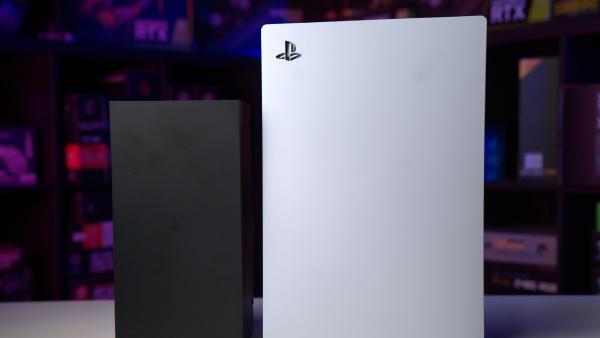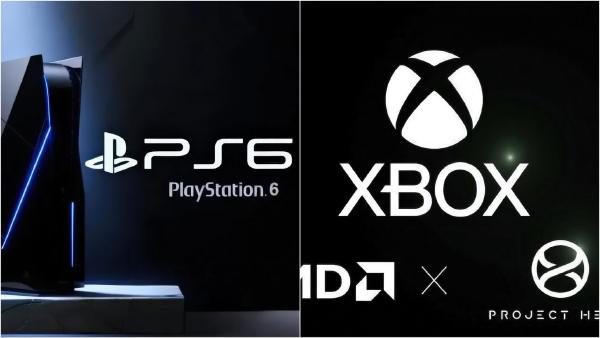
In a surprising announcement earlier today, Sony revealed that it will cease production of physical discs starting January 2028. This decision, although anticipated by some, has sparked significant backlash among PlayStation fans who are concerned about the future of gaming in a digital-only landscape. While the company did not explicitly state that the PlayStation 6 will be a discless console, the timing of this move has left many drawing connections between the end of physical media and the arrival of its next-generation console.
As first reported by Wccftech, the choice to stop disc production aligns closely with the expected launch of the PlayStation 6, which is anticipated to arrive shortly after the discontinuation date. This new direction signals a shift in how Sony intends to approach its gaming ecosystem, emphasizing digital downloads and streaming services over the traditional physical game boxes that have been a staple for decades.
For many players, the idea of abandoning physical media raises questions about ownership and accessibility. While digital downloads offer convenience, they also bring concerns about the permanence of one’s game library. Discs can be sold, traded, or preserved, whereas digital purchases can sometimes feel more ephemeral, subject to the whims of platform providers and their policies.
In a similar vein, Microsoft appears to be considering a parallel path with its upcoming next-generation Xbox, codenamed Project Helix. Reports suggest that the tech giant is leaning towards a discless model as well, potentially mirroring Sony’s decision. As both companies move toward this digital future, the implications for players could be profound, reshaping not just how games are consumed, but also how they are valued.
The transition to a discless future isn’t entirely a surprise, especially as both Sony and Microsoft have increasingly focused on expanding their digital storefronts and subscription services. Sony’s PlayStation Plus and Microsoft’s Game Pass have already paved the way for a more digital-centric approach, allowing players to access a vast library of games for a monthly fee. However, the complete phasing out of physical discs raises further considerations about how these services will evolve and how they will impact the player experience.
The reaction from the PlayStation community has been mixed, with some players expressing excitement over the potential for a more streamlined gaming experience, while others lament the loss of physical media as a tangible aspect of gaming culture. Enthusiasts often cherish their collections, from artful game covers to the satisfaction of cracking open a new title. The impending shift may not only change how players interact with their games but also how they perceive their value.
As the gaming landscape continues to evolve, the preferences of players will be crucial in shaping the future of these consoles. With Sony paving the way for a possible discless era, and Microsoft potentially following suit, the industry seems poised for a significant transformation.
Both companies have yet to fully outline their plans regarding game ownership rights and digital libraries in this new environment, leaving players to speculate on what a disc-free future might entail. The landscape of gaming is changing rapidly, and as consoles move towards greater digital integration, the dialogue surrounding ownership, accessibility, and player experience will undoubtedly become more critical.
Sony Interactive Entertainment has long been a cornerstone of the gaming industry, known for its innovative approach to hardware and software. As for Microsoft, it has made substantial strides in recent years, particularly in the realm of game subscription services and cloud gaming, positioning itself as a formidable player in the evolving console market.
Image credit: Wccftech
This article was generated with AI assistance and reviewed for accuracy.