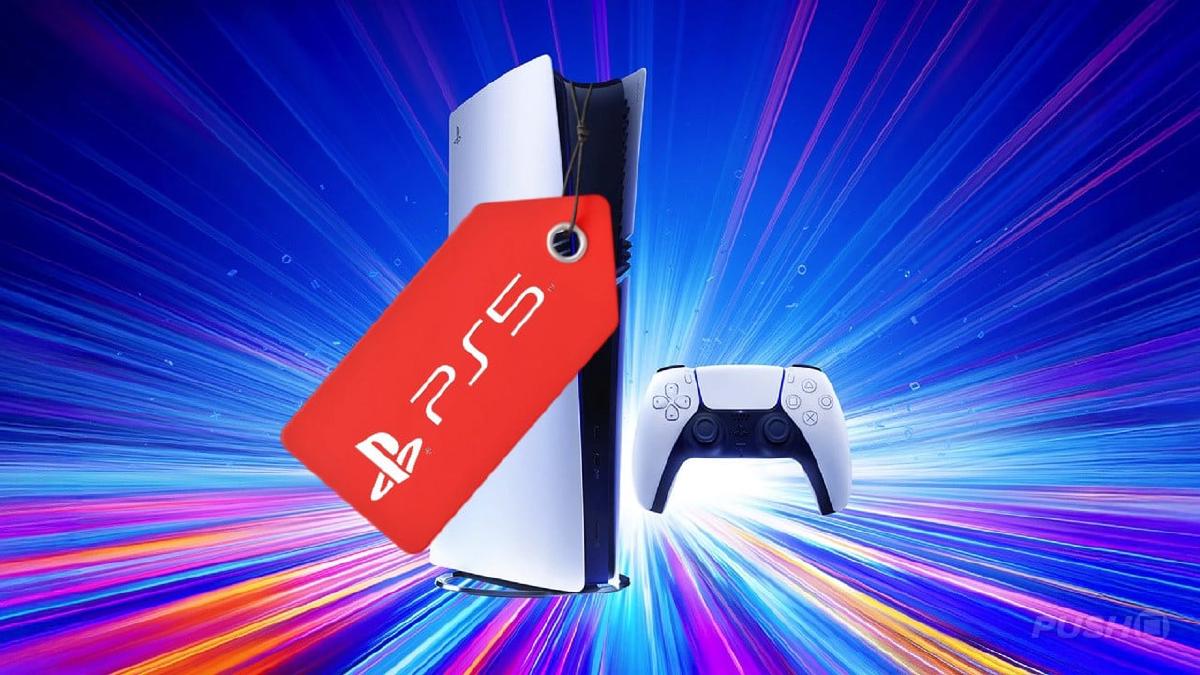
Sony is navigating turbulent waters in the gaming hardware market, as rising costs and stagnant sales have prompted a strategic shift regarding the PlayStation 5. The tech giant is reportedly looking to reduce the number of PS5 consoles sold, a move that aims to mitigate the impact of recent price hikes and declining demand, as first reported by Push Square.
Earlier this year, Sony increased the prices of its console lineup, a decision that drew significant attention and concern among gamers. The company is not alone in its struggles; competitors such as the upcoming Nintendo Switch 2, Microsoft’s Xbox Series X|S, and even the Steam Deck have all experienced similar challenges in an environment where hardware prices have soared. This has led to a slowdown in sales across the board, forcing companies to rethink their strategies.
While price adjustments are a common response to fluctuating market conditions, the extent of Sony’s price hikes has raised eyebrows. The PlayStation 5, which has already established itself as a cultural phenomenon, is now facing a dual challenge of high price points and increasing competition. With fewer units being sold, the company may be trying to maintain a sense of exclusivity and desirability around the console, but this raises questions about the long-term implications for player engagement and the broader gaming ecosystem.
The decision to potentially sell fewer units could be a protective measure against further revenue losses. By carefully managing supply, Sony could ensure that the PS5 remains a sought-after item in an increasingly saturated market. This approach may also allow the company to stabilize its financial outlook as it navigates the complexities of production costs, which have surged due to various global economic factors.
As the gaming landscape evolves, other platforms are also feeling the pressure. Nintendo’s forthcoming Switch 2 and the established Xbox Series X|S both face the necessity of keeping pace with consumer expectations without compromising on their own financial viability. The Steam Deck, a unique entry into the handheld market, has similarly struggled with supply and pricing issues, complicating the overall competitive dynamic.
The challenge for Sony extends beyond immediate sales figures. The company must maintain the momentum of its exclusive titles and ensure that its online services offer compelling value to keep players engaged. The PlayStation Network continues to be a key asset, but with fewer consoles in circulation, managing that ecosystem becomes increasingly complex.
As Sony recalibrates its approach to hardware sales, the future of the PS5 and its broader strategy will be closely watched. The gaming world is eager to see how these shifts will affect player experience and the quality of upcoming game releases. Titles like “Spider-Man 2,” which are already set to captivate audiences, will play a crucial role in maintaining interest in the platform.
At the heart of this situation is a broader narrative about the gaming industry’s resilience in facing economic challenges. The decisions that companies make now will shape the landscape for years to come, influencing not just hardware sales but the nature of gaming experiences themselves.
Sony’s response to the current marketplace speaks volumes about its priorities and vision for the future. With a rich history in the gaming industry, the company remains committed to delivering unique experiences to players, even as it navigates these complex challenges.
Image credit: Push Square
This article was generated with AI assistance and reviewed for accuracy.