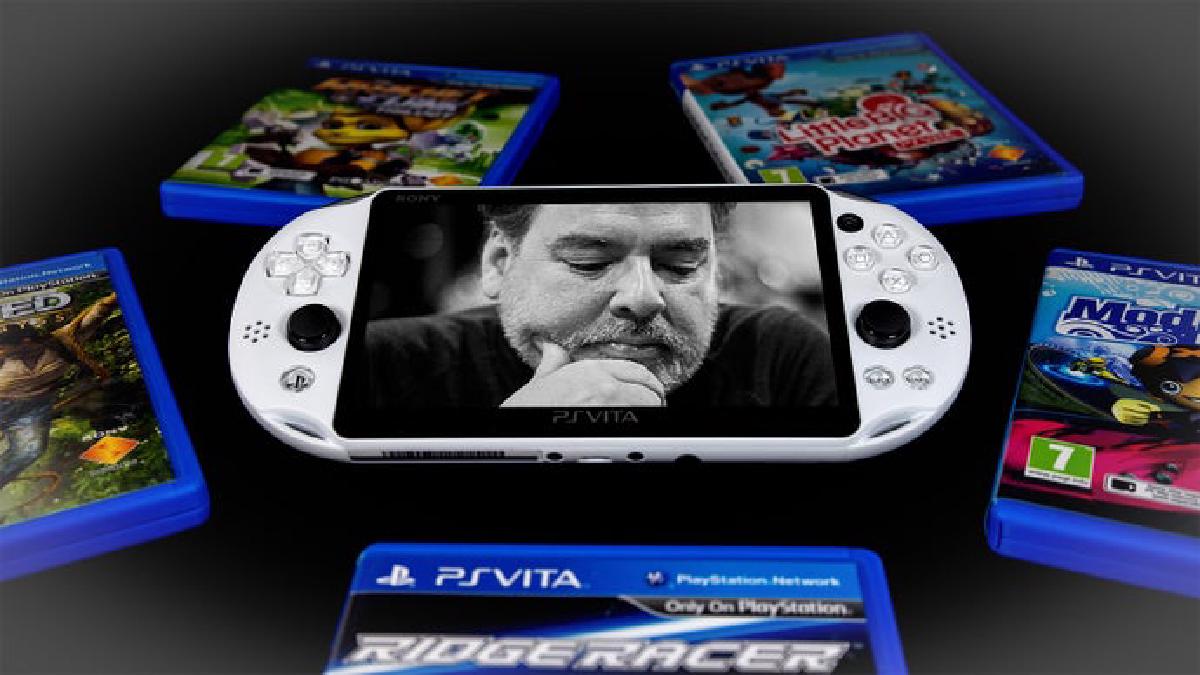
Former PlayStation executive Shawn Layden recently expanded on his controversial remarks regarding the PlayStation Vita, suggesting that Sony should have focused on developing a PlayStation Portable 2 instead. As first reported by Eurogamer, Layden’s comments have sparked discussions about the direction of handheld gaming and the choices made by Sony during the Vita’s development.
In an interview, Layden expressed his belief that the original PSP had the potential to evolve into a more successful platform if Sony had invested further in its design and functionality. He suggested that the focus on the PS Vita diverted attention from the more straightforward and beloved elements of its predecessor, which many fans still hold in high regard.
The PlayStation Vita, released in 2012, met with mixed reactions despite its innovative features, including an OLED display and rear touchpad. However, it struggled to capture market attention in the face of increasing smartphone gaming and competition from Nintendo’s handhelds. Layden reflected on this, stating that the industry often overreaches in its desire for innovation, sometimes alienating the very users it aims to attract. He posited that a PSP 2 emphasizing core gaming experiences might have appealed more to both longtime fans and newer players looking for portable gaming options.
Layden’s perspective challenges the prevailing narrative surrounding the Vita’s legacy. Although it introduced several groundbreaking features, such as remote play that allowed players to access their PS4 games on the go, the system ultimately failed to achieve the commercial success Sony had envisioned. Layden’s historical lens paints a picture of a company that may have miscalculated consumer desires in its quest to push boundaries.
The former executive’s insights do not merely critique past decisions but also serve as a cautionary tale for the future of gaming hardware. Layden warned that while pushing the limits of technology can yield amazing results, a balance must be struck between innovation and the foundational experiences that make games enjoyable. His comments resonate in an era where game developers continuously explore new horizons, but the importance of user-friendly design remains paramount.
In reflecting on the Vita, Layden also highlighted the passionate community that still cherishes the device, noting how handheld consoles remain a cherished medium for many gamers. This dedication underscores a market segment that craves not just innovation for its own sake but also devices that provide engaging and accessible gaming experiences.
As the gaming landscape evolves, Layden’s reflections may influence how companies approach future handheld devices. With the rise of cloud gaming and the potential for new portable solutions, it is essential for developers to listen closely to their audience and focus on delivering experiences that resonate with players.
In a gaming era dominated by powerful consoles and expansive worlds, Layden’s remarks remind us of the importance of understanding what players truly want. As the industry continues to innovate and experiment, the call for a thoughtful approach to hardware design remains more relevant than ever.
As the conversation around handheld gaming continues, it is clear that the legacy of the PlayStation Vita,and the lessons drawn from it,will influence future developments in this space. Layden’s observations could serve as a guiding light for Sony and other companies aiming to develop the next generation of portable gaming experiences.
SIE (Sony Interactive Entertainment) has a rich history in the gaming industry, known for groundbreaking consoles and iconic franchises. The PSP and Vita remain pivotal parts of its legacy, and lessons learned during their lifespans may shape future endeavors in handheld gaming.
Image credit: Eurogamer
This article was generated with AI assistance and reviewed for accuracy.