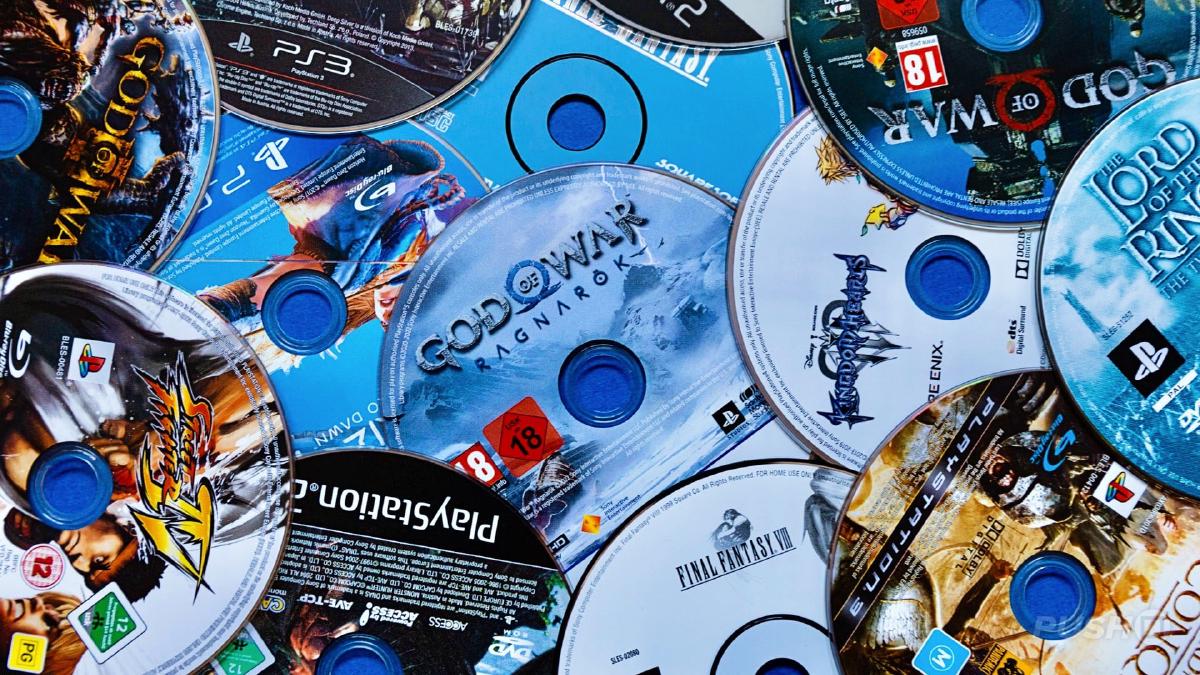
In a troubling trend for the physical gaming market, new sales data reveals that only seven PlayStation 5 titles have managed to sell over 100,000 boxed copies in 2026. This stark statistic reflects a broader decline in physical game sales as players increasingly turn to digital formats. As first reported by Push Square, the data comes from Circana’s director Mat Piscatella, who has been tracking gaming sales trends with keen insight.
The week ending July 11, 2026, showcased an especially disheartening snapshot of the PS5 gaming landscape. Within that seven-day period, only two titles managed to cross the threshold of 10,000 physical units sold. This raises questions about the future of physical game releases in an era where digital downloads seem to be dominating the market.
The data indicates that the physical copy of games is struggling to maintain relevance, especially with advancements in internet speeds and the convenience of purchasing and downloading titles directly to consoles. Gamers today value immediacy, and digital formats deliver just that. In contrast, physical copies require more effort to obtain, and the allure of digital libraries has made numerous players forgo the traditional boxed version.
Several factors may contribute to this trend. The convenience of digital ownership is a major player, allowing gamers to accumulate extensive libraries without the need for physical storage. Additionally, the rise of subscription services like PlayStation Plus has further incentivized players to opt for digital formats that come with a plethora of titles for a monthly fee.
Moreover, as new gaming experiences are increasingly designed with online play in mind, the urgency for physical copies diminishes. The community aspect of gaming has shifted, leading many players to prioritize accessibility over the aesthetic appeal of a physical collection. Collectors still cherish physical editions for their artwork and packaging, but the mainstream audience appears to be gravitating toward a more practical approach.
The challenge of sustaining physical sales is compounded by a significant shift in consumer behavior, creating a complicated landscape for publishers and retailers. As physical sales dwindle, it has become crucial for developers to adapt their strategies to address the growing digital demand.
Despite these challenges, there are still franchises that have managed to maintain their appeal in physical formats. Fans of popular series such as “Final Fantasy” and “Horizon” continue to purchase physical copies, yet these titles now represent a diminishing number in a market that is trending heavily toward digital acquisition.
While the figures are discouraging for those invested in physical media, they also highlight a pivotal moment in gaming history. The industry must navigate this shift carefully, balancing the nostalgic value of physical games with the undeniable shift toward digital consumption.
With the importance of engaging storytelling and player experience at the forefront of game design, developers may need to innovate not just in gameplay, but also in how they package and distribute their titles. Adapting to players’ preferences will be key to survival as the gaming landscape continues to evolve.
As retailers and publishers assess the implications of these figures, how they will respond to the changing tides of consumer interest. Will they pivot towards enhancing digital experiences, or will they find a way to invigorate the physical market? The answers may shape the future of gaming in ways we have yet to imagine.
Context: The PlayStation 5, developed by Sony Interactive Entertainment, has been a significant player in the gaming industry since its release in late 2020. It has become known for its powerful hardware and a diverse library of narrative-driven games, appealing to both casual players and dedicated enthusiasts.
Image credit: Push Square
This article was generated with AI assistance and reviewed for accuracy.