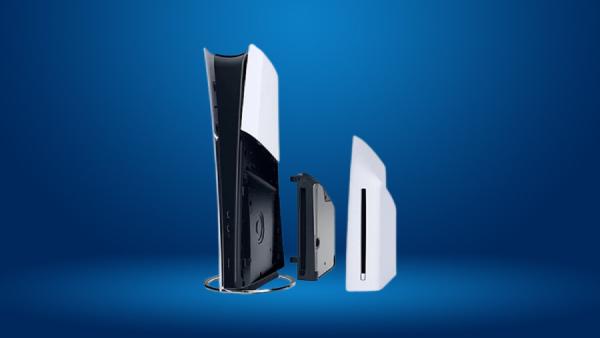
In a significant pivot towards a fully digital future, Sony has announced plans to halt the production of physical disc-based games by January 2028. This decision, while celebrated by shareholders, has ignited a passionate backlash among fans who cherish the tangible aspects of gaming. As first reported by Push Square, the announcement has resulted in a notable surge in Sony’s stock prices, reflecting the market’s favorable view of the company’s strategic direction.
Sony’s decision comes at a time when digital gaming continues to dominate the industry, driven by the convenience of online access and the rising popularity of digital storefronts. Despite the advantages that digital distribution offers,such as instant access to titles and the elimination of physical storage needs,many players feel a deep-seated connection to physical media. This emotional investment has led to a chorus of disappointment from fans who fear that the shift will devalue the gaming experience, stripping away the tactile joy of collecting physical copies.
The company’s stock began its upward trajectory shortly after the July 1 announcement, clearly indicating investor confidence in this digital transition. While Sony executives rationalize the decision as a necessary adaptation to changing consumer behavior, fans are left grappling with their love for physical games. The clamor for physical editions often reflects a broader sentiment about ownership and nostalgia in gaming, where many players find joy in collecting boxes, artwork, and manuals that accompany their favorite titles.
Sony’s shift aligns with industry trends that have seen developers and publishers moving increasingly towards digital sales. As large-scale platforms like Steam and the PlayStation Store gain traction, it’s clear that the future of gaming is leaning heavily towards digital. However, the question remains whether this transformation will alienate a significant portion of the player base that prefers physical media.
In light of this announcement, many within are voicing concerns about the implications of a digital-only landscape. Disappointment has been particularly pronounced among collectors, who celebrate the artistry of physical packaging and the sentimental value of owning a tangible piece of a beloved franchise. The fear is that the allure of physical games will diminish, leading to a homogenized experience that lacks the personal touch many players cherish.
Despite the turmoil among fans, Sony’s stock market success suggests that the company’s decision is predominantly viewed as a smart business move. The digital marketplace allows for lower overhead costs and can enhance sales by simplifying distribution logistics. As a result, Sony is likely to continue leaning into this strategy, making further announcements about the future of the PlayStation brand and its software offerings in the coming months.
As the gaming landscape shifts, the debate over digital versus physical gaming continues to shape player experiences and industry practices. While shareholders may applaud Sony for its forward-thinking approach, the emotional connection many gamers have to physical copies of games cannot be overlooked. This transition represents not just a business strategy but a significant cultural shift within .
Sony Interactive Entertainment, the creative powerhouse behind the PlayStation brand, has continually been at the forefront of innovation in the gaming industry. With titles ranging from action-packed adventures to emotionally driven narratives, the company has built a legacy that resonates with gamers worldwide. As it moves toward a future dominated by digital offerings, the challenge will be to balance financial performance with the loyalty and passion of its fan base.
Image credit: Push Square
This article was generated with AI assistance and reviewed for accuracy.