In a substantial downturn for the gaming giant, PlayStation’s console sales have seen a staggering decline, reaching their lowest levels since the year 2000. Recent reports indicate a 58 percent drop compared to previous sales figures, raising questions about the brand’s future in an ever-evolving gaming landscape. As first reported by Msn, this sharp decline reflects not just internal challenges but also broader shifts in consumer behavior and market dynamics.
The latest data reveals a stark contrast to the early 2000s, a period marked by soaring sales and passionate fan engagement. The original PlayStation and its successors established the system as a dominant force in gaming, but recent figures suggest a significant shift in player preferences. With the growing popularity of mobile and cloud gaming, alongside increasing competition from other consoles, PlayStation’s once-unstoppable momentum seems to be faltering.
Analysts suggest that a combination of factors has contributed to this drop. The global chip shortage, which has affected the production of consoles across the industry, has limited availability for consumers eager to purchase the latest iterations. Additionally, as more gamers pivot to digital platforms, traditional console sales may be struggling to keep pace. The changing habits of consumers, who are increasingly opting for digital downloads and subscription services, could be reshaping the traditional console market.
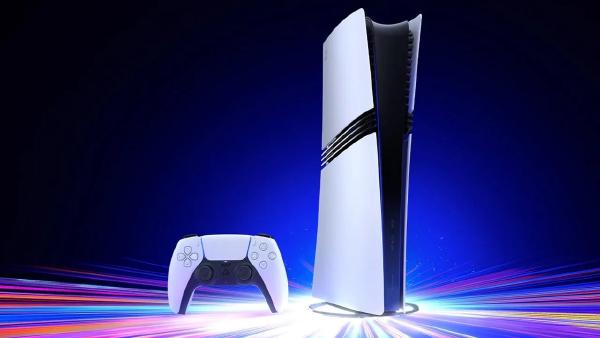
Sony’s PlayStation 5, despite its initial excitement and strong launch, has also faced hurdles. While the console was heralded for its cutting-edge technology and exclusive titles, ongoing stock shortages have hampered widespread adoption. This has left many potential buyers frustrated, unable to secure a unit even after years of anticipation.
Moreover, the introduction of subscription services like PlayStation Plus has shifted the focus away from hardware sales and toward digital ecosystems. This change may be impacting how Sony prioritizes its product strategies moving forward.
In light of these challenges, Sony’s leadership must navigate carefully to reclaim its footing in a competitive industry. The company has a rich history of resilience, often bouncing back from periods of adversity with renewed vigor and innovation. The question remains whether they can harness their creative talents to pivot effectively in this new gaming environment.
As the industry evolves, it will be crucial for Sony to adapt, leveraging its strong library of exclusive titles and exploring new distribution methods. Fan favorite franchises like “The Last of Us,” “God of War,” and “Horizon Zero Dawn” have set high expectations, and gamers will be watching closely to see how the company addresses its current challenges.
With the gaming landscape continually shifting, it will be intriguing to observe how Sony responds to this sales slump. Will they recalibrate their approach to hardware and software, or will they double-down on their current strategies? if PlayStation can reclaim its position as a leader in the console market.
Founded in 1994, PlayStation has changed the gaming landscape with its innovative consoles and beloved game franchises. The brand has consistently pushed boundaries, establishing a lasting legacy in interactive entertainment. As PlayStation navigates these turbulent waters, its future could hinge on its ability to adapt to the demands of a rapidly changing gaming culture.
Image credit: Wikipedia
This article was generated with AI assistance and reviewed for accuracy.