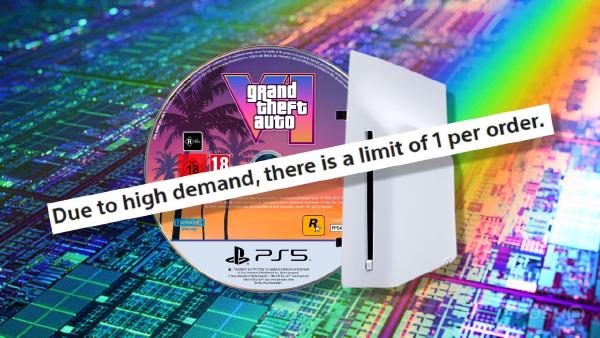
Recent announcements regarding regional pricing adjustments for PlayStation have ignited a wave of frustration among players, particularly in selected countries in Latin America and the Middle East. As first reported by Push Square, the first trio of nations to feel the impact,Mexico, Honduras, and Nicaragua,will experience changes that have left many gamers perplexed and upset.
The changes come as part of Sony’s ongoing strategy to align pricing with local economic conditions. However, the implications for players in these regions are significant. Not only will gamers in Mexico, Honduras, and Nicaragua have to navigate new price points, they will also lose access to the PS3 and PS Vita stores starting in August 2026, well ahead of other markets, which will see similar restrictions in July 2027. This gradual phasing out of store access raises concerns about the future of legacy titles and the digital libraries players have amassed over the years.
The initial announcement was vague, leaving many players wondering about the specifics of the pricing changes and the rationale behind them. Social media has seen an explosion of discontent, with players expressing their worries about increased costs and the potential loss of access to beloved games. For many, the PS3 and PS Vita titles are not merely digital assets but cherished memories and experiences that shaped their gaming journeys.
Sony has faced criticism for its pricing practices in various markets, with regional pricing often appearing inconsistent and difficult to understand. The latest adjustments have led to calls for greater transparency and communication from the company regarding its pricing strategy and the factors that influence it. Players are looking for answers on how these changes will affect their purchasing power and gaming experiences moving forward.
The controversy surrounding these announcements highlights a growing tension between gaming companies and their player bases. In regions with lower economic standards, even slight increases can be significant. For many in Latin America, gaming is not just a hobby; it is an escape and a source of connection, making the potential financial burden feel even more pronounced.
As players express their frustration, how Sony will respond to these concerns. While the company has yet to issue further clarification regarding the changes, the dialogue initiated by the player base could influence future decisions about pricing and accessibility. The hope is that Sony will take this feedback into account and recognize the importance of maintaining a fair and inclusive gaming environment.
As the situation develops, players are urged to stay informed about any additional announcements from Sony regarding regional pricing and store access. The upcoming months could be crucial in determining how these shifts will shape the gaming landscape in Latin America and the Middle East.
In the context of this broader issue, it’s important to remember that Sony Interactive Entertainment has evolved significantly since its inception. With a storied history in gaming, the company has consistently been a leader in the industry, but these kinds of challenges remind us that maintaining a positive relationship with players is paramount to ongoing success.
Image credit: Push Square
This article was generated with AI assistance and reviewed for accuracy.