In a surprising turn of events, Ninja Theory, the studio behind the critically acclaimed Hellblade series, is reportedly facing closure just days after announcing a new game for PlayStation 5. As first reported by Push Square, the Cambridge-based developer, known for its narrative-driven experiences, has been informed by Microsoft of its impending shutdown.
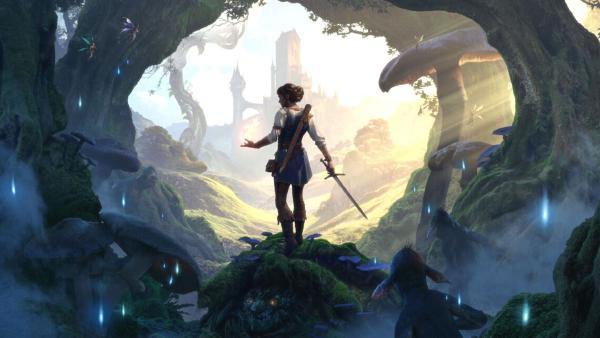
Just over a week ago, Ninja Theory made waves in the gaming world by unveiling its latest project, Senua. This title is expected to expand upon the rich, emotional storytelling and immersive gameplay that fans have come to love. However, the excitement surrounding this announcement has quickly morphed into uncertainty as reports indicate that Microsoft, which acquired Ninja Theory in 2018, has decided to shut down the studio entirely.
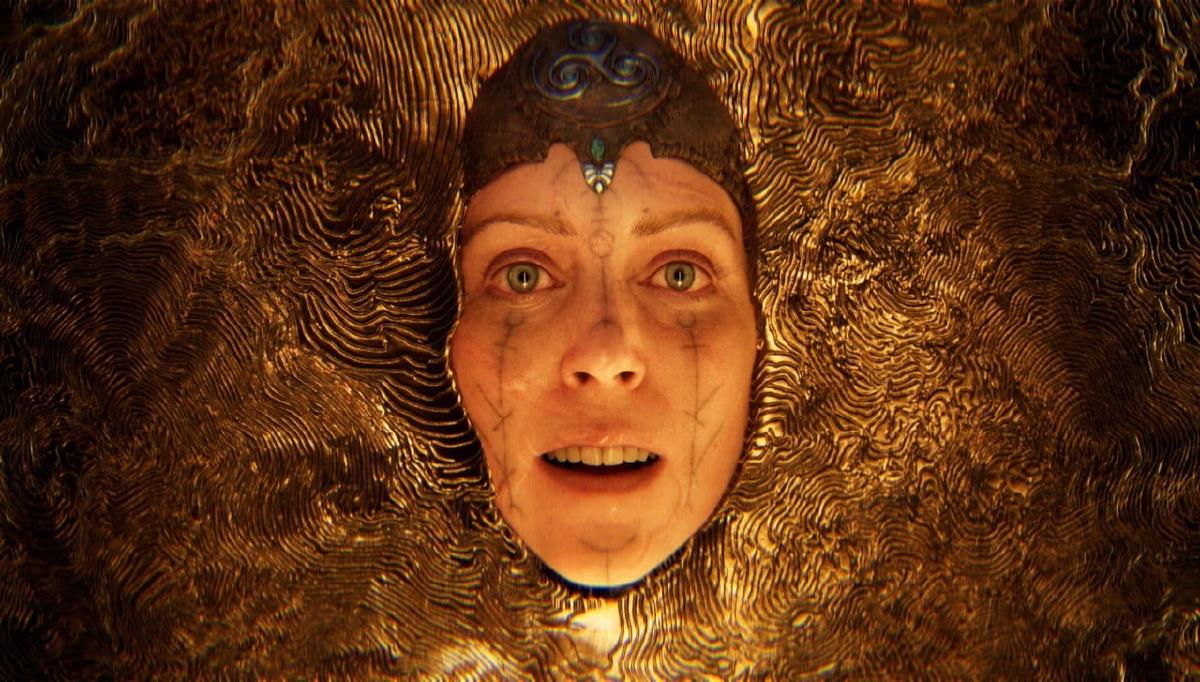
Ninja Theory gained initial recognition with its PS3 title, Heavenly Sword, which showcased the studio’s capacity for creating engaging narratives and compelling characters. The studio’s most significant breakthrough came with Hellblade: Senua’s Sacrifice, a game that not only captured attention for its stunning visuals and innovative gameplay but also for its deep exploration of mental health themes. Players were drawn into Senua’s harrowing journey, complete with poignant storytelling and a hauntingly beautiful soundtrack.
The studio’s commitment to pushing narrative boundaries continued with the highly anticipated sequel, Hellblade II: Senua’s Saga, which was also revealed during the Xbox Game Showcase. The recent announcement of Senua for PS5 was seen as a major step forward for the studio, promising to further build upon its legacy. Yet, with the news of potential closure, the future of its projects now hangs in the balance.
While details surrounding the decision remain scarce, the implications for the gaming landscape are profound. Ninja Theory’s distinct voice in narrative gaming has carved a niche in an industry often dominated by blockbuster franchises. Losing such a talent could mean a significant step back for innovation in storytelling within games, especially as players continue to crave experiences that resonate on a deeper level.
As the gaming world grapples with the possibility of Ninja Theory’s closure, the community is left to reflect on the studio’s impact, not just as creators of gameplay, but as storytellers who have contributed thoughtfully to the medium. The reception of their games has consistently highlighted the importance of mental health awareness and representation, elevating the conversation around such topics in a space that can often feel disconnected from reality.
While the fate of Ninja Theory is uncertain, the legacy they have created through their narratives will likely endure, influencing future developers and projects. For now, all eyes will be on Microsoft as they finalize their plans, with hope still lingering that a resolution could allow the studio to continue its vital work in the realm of narrative gaming.
Ninja Theory, founded in 2004, has fostered a reputation for creating games that blend artistic ambition with cutting-edge technology. Their previous works, including the acclaimed DmC: Devil May Cry and Enslaved: Odyssey to the West, showcase their versatility and commitment to pushing gameplay and narrative boundaries. The unfolding situation is a poignant reminder of the precarious nature of the gaming industry, where success can rapidly shift into uncertainty.
Image credit: Push Square
This article was generated with AI assistance and reviewed for accuracy.